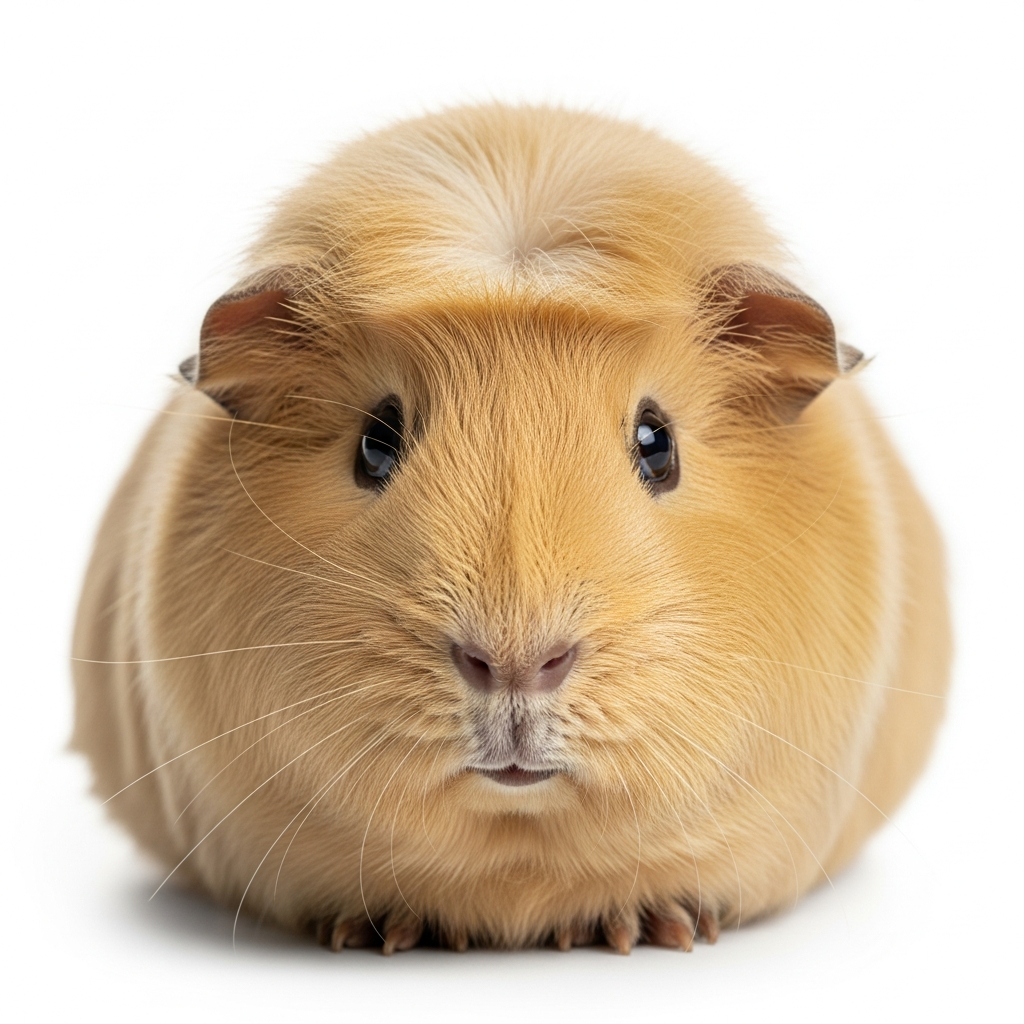
Porcellini d'India
Le cavie non sono in grado di sintetizzare la propria vitamina C e sono erbivore obbligate, quindi la dieta deve essere ricca di fibre, povera di zuccheri e ricca di vitamina C.
8 alimenti revisionati per i Porcellini d'India
Profilo tossicologico
Dipendenza dalla vitamina C
Le cavie sono prive della L-gulonolattone ossidasi e non possono sintetizzare l'acido ascorbico. Senza 10–30 mg/giorno dagli alimenti, lo scorbuto si sviluppa entro 2–3 settimane, causando emorragie articolari, denti mobili e collasso immunitario.
Rischio di ossalati e calcoli renali
Gli alimenti ricchi di ossalati (spinaci, prezzemolo, foglie di barbabietola, rabarbaro) legano il calcio nelle vie urinarie. L'alimentazione cronica crea dolorosi calcoli renali e vescicali che possono mettere a rischio la vita.
Fragilità del microbioma cecale
Gli Allium, le cipolle e molti oli essenziali agiscono come antimicrobici all'interno del cieco, decimando le colonie batteriche di cui le cavie hanno bisogno per la fermentazione e l'estrazione dei nutrienti, causando un'enterite fatale.
Sistemi più a rischio
Alimenti più pericolosi
Tutti i 8 alimenti revisionati
Verdetto di sicurezza
Categoria alimentare
Visualizzazione di 8 di 8 alimenti
Cipolle
Le cipolle sono tossiche per i porcellini d'India e non esiste una dose sicura. Contengono composti organosolforati che danneggiano gravemente i globuli rossi, causando anemia emolitica potenzialmente letale. Qualsiasi esposizione deve essere considerata un'emergenza veterinaria.
Gamberetti
I gamberetti non sono alimenti adatti alle cavie: il loro profilo nutrizionale è incompatibile con le esigenze digestive di questi roditori erbivori. L'alto contenuto di proteine animali, sodio e colesterolo può sovraccaricare reni e apparato digerente. Sebbene raramente letale, l'ingestione anche occasionale può causare disturbi gastroenterici significativi.
Tacchino
Il tacchino non è adatto all'alimentazione dei porcellini d'India: questi animali sono erbivori stretti e il loro apparato digerente non è equipaggiato per metabolizzare proteine animali. Anche piccole quantità ripetute possono sovraccaricare reni e intestino, causando disturbi significativi. Un assaggio accidentale isolato è improbabile che provochi danni gravi, ma l'offerta intenzionale di carne va evitata categoricamente.
Larve di tenebrio (mealworm)
Le larve di tenebrio non sono un alimento adatto ai porcellini d'India: questi animali sono erbivori stretti e il loro apparato digerente non è in grado di processare proteine animali in modo sicuro. L'ingestione può provocare disturbi gastrointestinali, squilibri metabolici e, in caso di esposizione ripetuta, potenziali danni renali. Non esiste una quantità considerata sicura.
Asparagi
Gli asparagi sono un ortaggio sicuro per i porcellini d'India e possono essere offerti come integrazione occasionale alla dieta di base a base di fieno. Apportano vitamina C, fibre e antiossidanti utili, ma il loro contenuto di acido folico e fosfor o richiede moderazione. Non esistono principi tossici rilevanti per questa specie, pertanto il rischio è molto basso se le porzioni sono appropriate.
Peperoni
Il peperone è un alimento eccellente per le cavie. È ricco di vitamina C, che le cavie non sono in grado di produrre da sole, ed è povero di zucchero, ossalato e calcio.
Cetriolo
Il cetriolo è un alimento sicuro per i porcellini d'India e può essere offerto come snack fresco senza preoccupazioni particolari. Grazie all'elevatissimo contenuto d'acqua e al basso apporto calorico, si presta bene come integrazione estiva alla dieta base di fieno. Le porzioni devono restare moderate per evitare feci molli legate all'eccesso di acqua.
Piselli
I piselli sono un alimento sicuro e nutriente per i porcellini d'India, apprezzato per il contenuto di vitamina C e fibre. Possono essere offerti freschi o surgelati (scongelati) senza rischi significativi se le quantità rimangono moderate. L'unica vera cautela riguarda l'eccesso, che può causare gonfiore intestinale e feci molli.