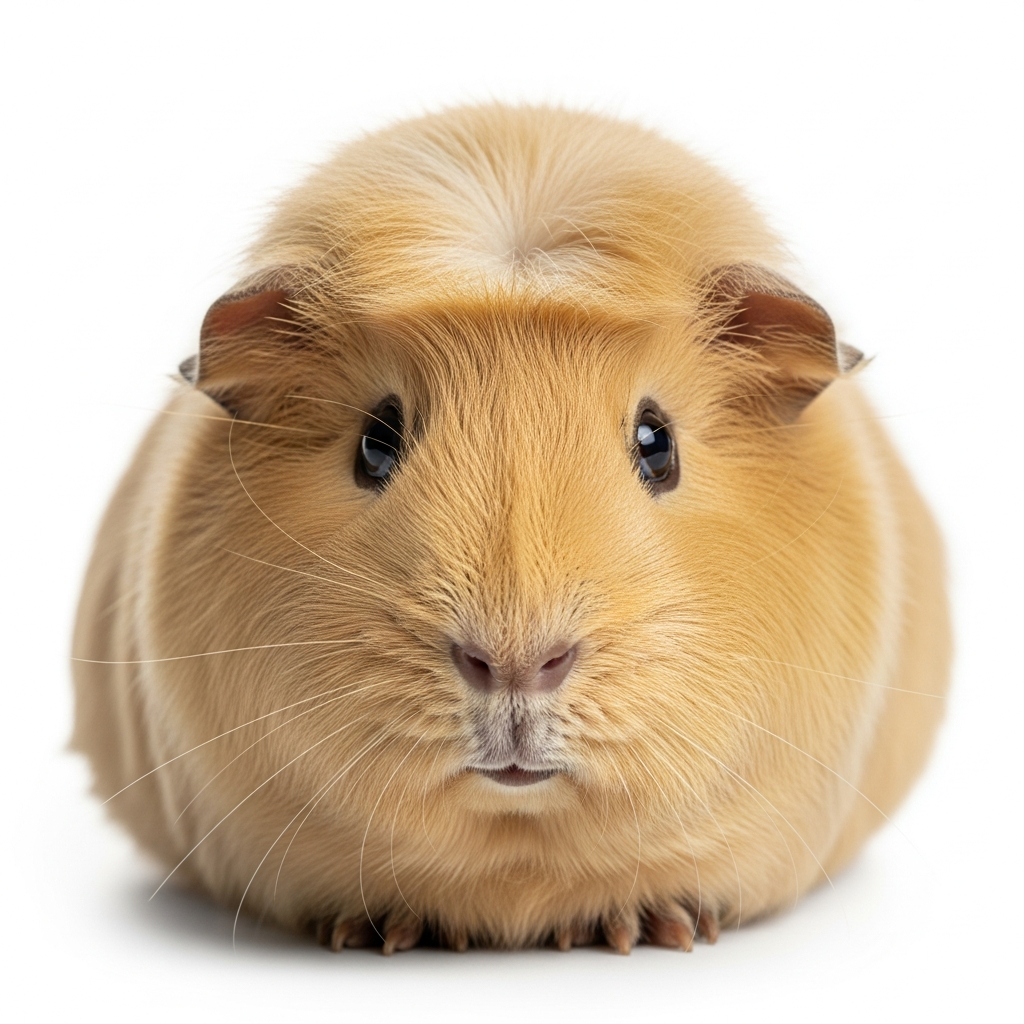
Guinea Pigs
Guinea pigs cannot synthesize their own vitamin C and are obligate herbivores, so diet must be high-fiber, low-sugar, and vitamin-C rich.
8 foods reviewed for Guinea Pigs
Toxicology Profile
Vitamin C Dependency
Guinea pigs lack L-gulonolactone oxidase and cannot synthesize ascorbic acid. Without 10–30 mg/day from food, scurvy develops within 2–3 weeks — causing hemorrhaging joints, loose teeth, and immune collapse.
Oxalate & Kidney Stone Risk
High-oxalate foods (spinach, parsley, beet greens, rhubarb) bind calcium in the urinary tract. Chronic feeding creates painful kidney and bladder stones that can be life-threatening.
Cecal Microbiome Fragility
Alliums, onions, and many essential oils act as antimicrobials inside the cecum, decimating the bacterial colonies guinea pigs need for fermentation and nutrient extraction, causing fatal enteritis.
Most At-Risk Systems
Most Dangerous Foods
All 8 Reviewed Foods
Showing 8 of 8 foods
Onions
Onions are toxic to guinea pigs and should never be fed to them in any form — raw, cooked, dried, or powdered. They contain organosulfur compounds that destroy red blood cells, causing a life-threatening hemolytic anemia in small animals. Even a small nibble poses meaningful risk given a guinea pig's tiny body mass.
Shrimp
Shrimp is not acutely toxic to guinea pigs, but it is a biologically inappropriate food for a strict herbivore whose digestive system is entirely unequipped to handle animal protein or the high sodium content typical of shrimp. Occasional tiny tastes are unlikely to cause emergency-level harm, but regular feeding carries real risks including digestive upset, urinary complications, and cardiovascular strain. Guinea pigs have no dietary requirement for seafood whatsoever, and far better, species-appropriate treat options exist.
Turkey
Guinea pigs are strict herbivores whose digestive systems are entirely unequipped to process animal protein, and turkey—even in small amounts—poses real risks to their gut health and kidneys. While a tiny accidental nibble is unlikely to cause acute poisoning, turkey is fundamentally the wrong food for this species and should not be offered intentionally. Owners should understand that the danger is physiological incompatibility rather than a single toxic compound.
Mealworms
Mealworms are not a natural or appropriate food for guinea pigs and should generally be avoided. Guinea pigs are strict herbivores whose digestive systems are entirely unequipped to process animal protein or chitin-rich insect exoskeletons. Occasional accidental contact is unlikely to cause acute poisoning, but deliberate feeding poses real metabolic and gastrointestinal risks.
Asparagus
Asparagus is safe for guinea pigs in moderate amounts and provides useful nutrients including vitamin C, which guinea pigs cannot synthesize on their own. There are no toxic compounds in asparagus that pose a clinical risk to this species. Like any vegetable, overfeeding can cause digestive upset, so portion size matters.
Bell Peppers
Bell peppers are an excellent food for guinea pigs. They are packed with vitamin C, which guinea pigs cannot make themselves, and are low in sugar, oxalate and calcium.
Cucumber
Cucumber is a safe, hydrating vegetable for guinea pigs and can be offered regularly as part of a varied diet. It contains no compounds toxic to cavies, and most guinea pigs find it highly palatable. Overfeeding can cause loose stools due to the high water content, so moderate portion sizes are key.
Peas
Peas are a safe, nutritious treat for guinea pigs when offered in appropriate amounts. They provide useful vitamins — including vitamin C, which guinea pigs cannot synthesize on their own — along with plant-based protein and fiber. Overfeeding should be avoided due to the natural sugar and starch content, but moderate servings pose no meaningful health risk.