One database, ten very different metabolisms.
A treat that is harmless to a dog can be fatal to a bird. Each guide summarizes how a species processes food and links directly to its clinical safety index.

Dogs
Dogs are omnivorous scavengers, but their slow hepatic metabolism makes them uniquely vulnerable to methylxanthines, alliums, and xylitol.

Cats
As obligate carnivores, cats lack several detoxifying enzymes (notably glucuronidation), so many plant compounds safe for dogs are dangerous for them.
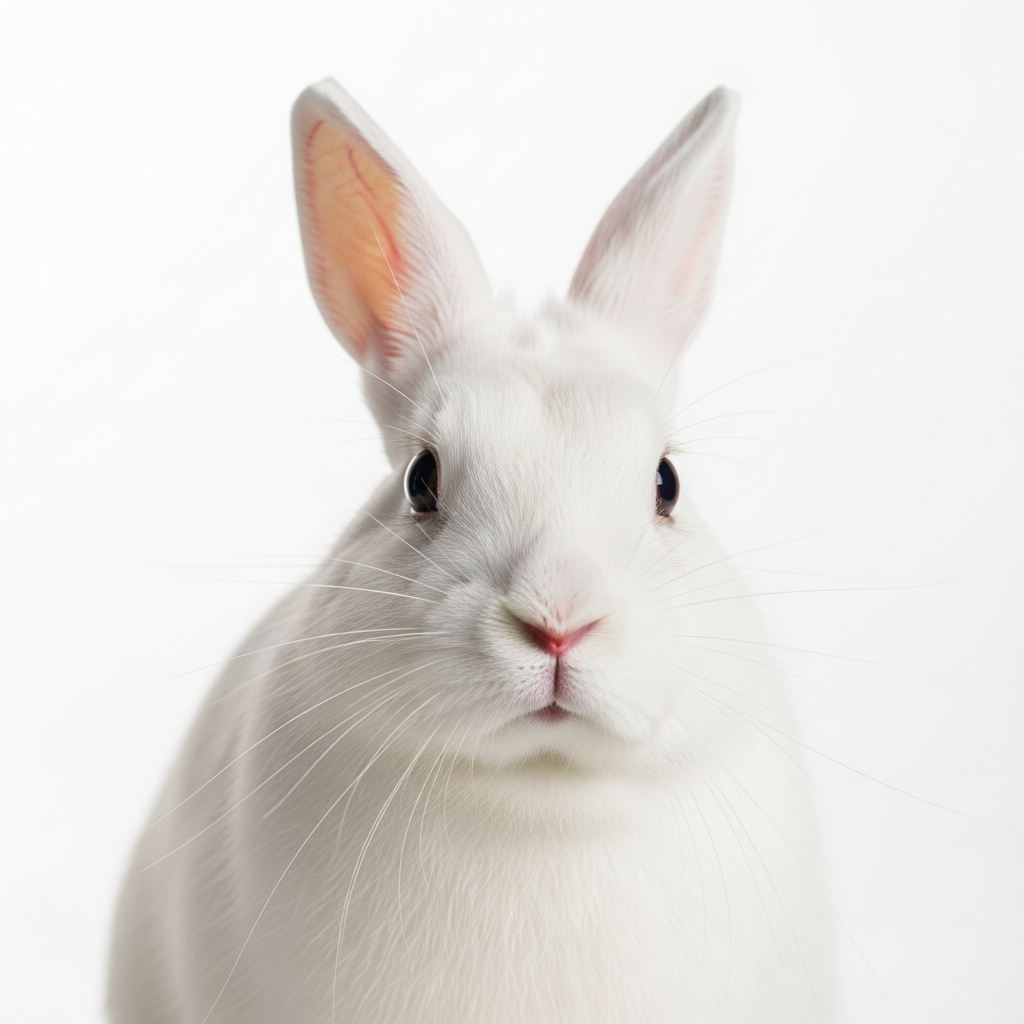
Rabbits
Rabbits are strict hindgut-fermenting herbivores; their delicate gut flora can be fatally disrupted by sugars, starches, and fats.
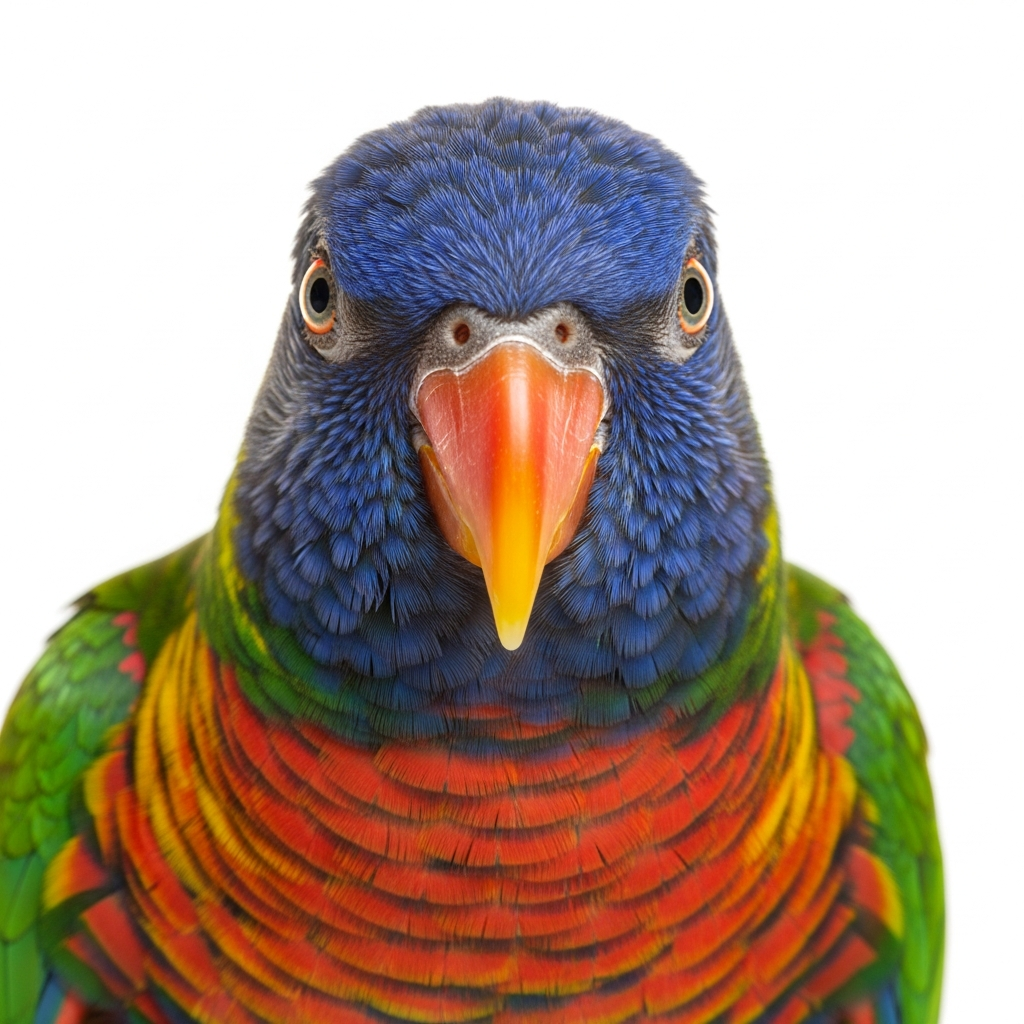
Birds
Birds have extremely fast metabolisms and air-sac respiratory systems, making them acutely sensitive to avocado (persin), caffeine, and chocolate.
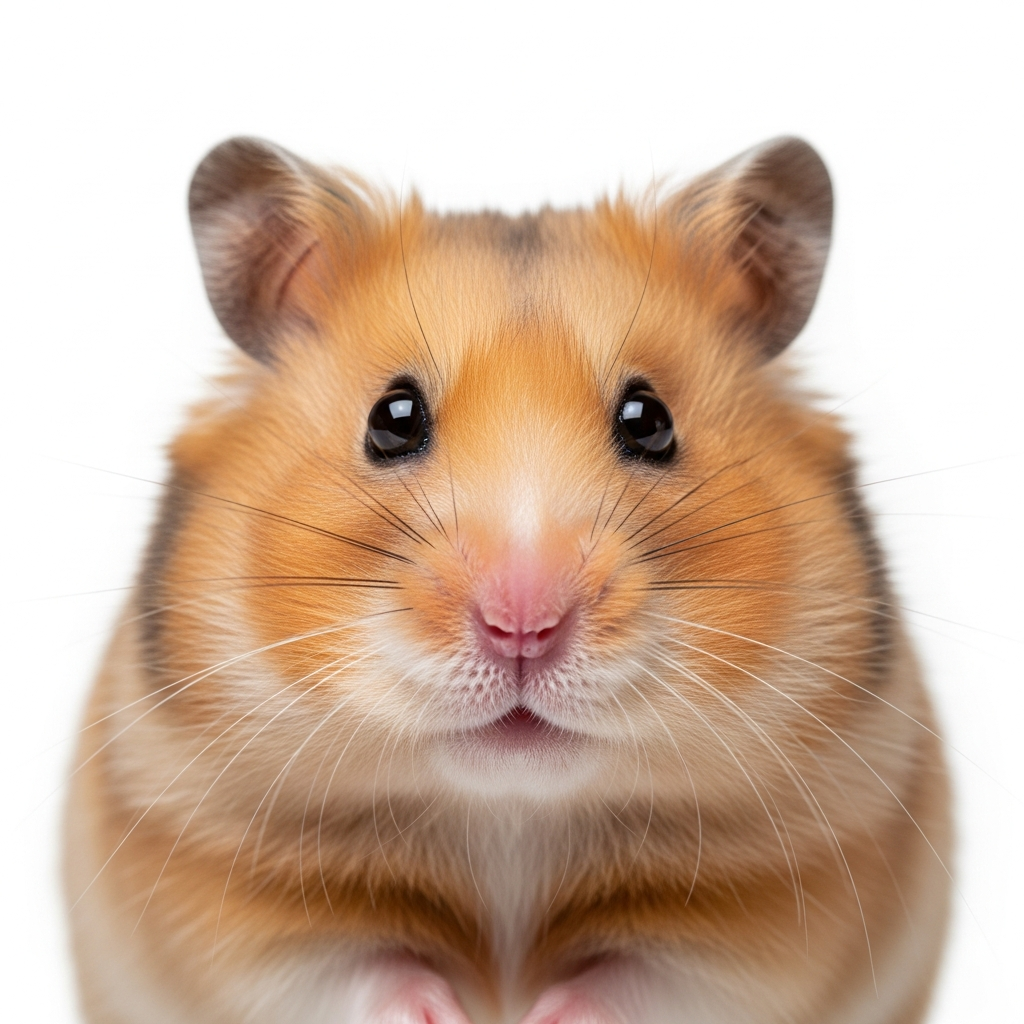
Hamsters
Hamsters are omnivores with cheek pouches that can impact on sticky or sharp foods; their tiny body mass means even small toxic doses are significant.
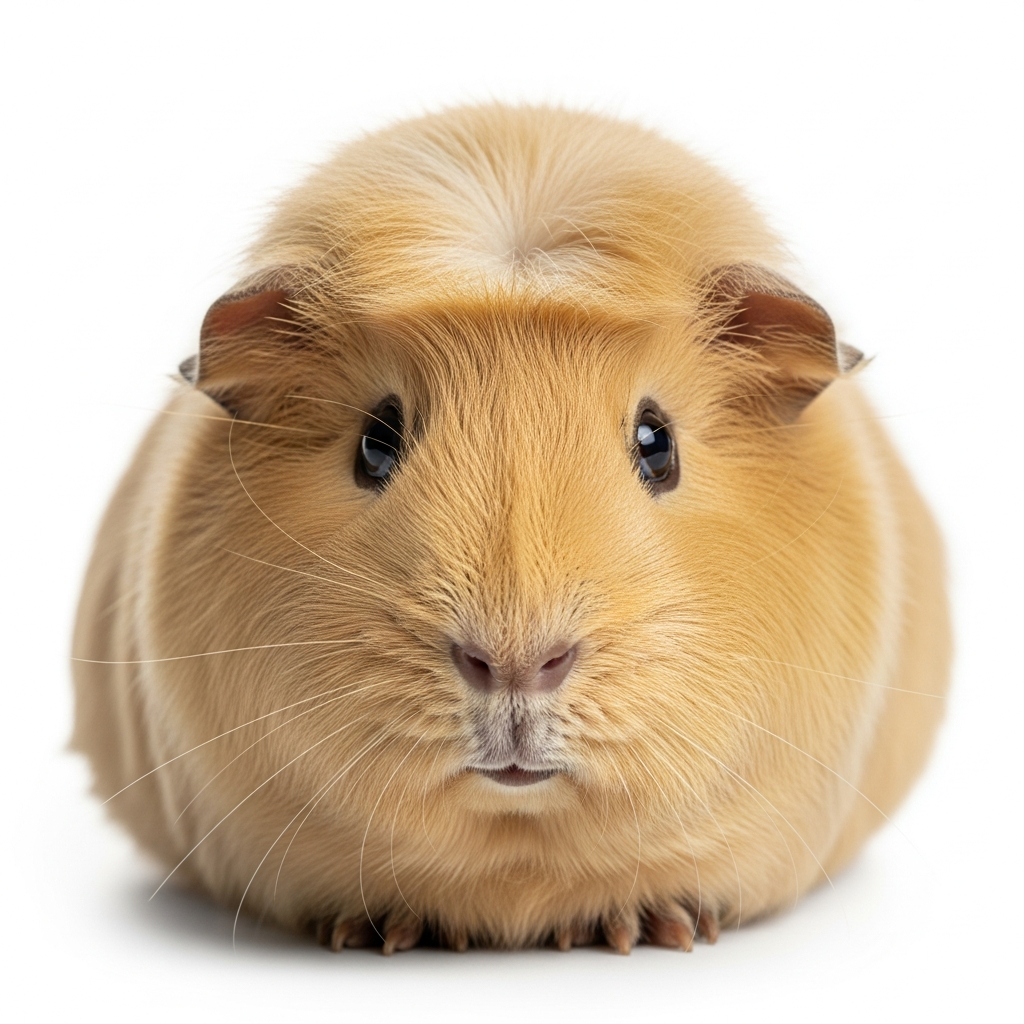
Guinea Pigs
Guinea pigs cannot synthesize their own vitamin C and are obligate herbivores, so diet must be high-fiber, low-sugar, and vitamin-C rich.
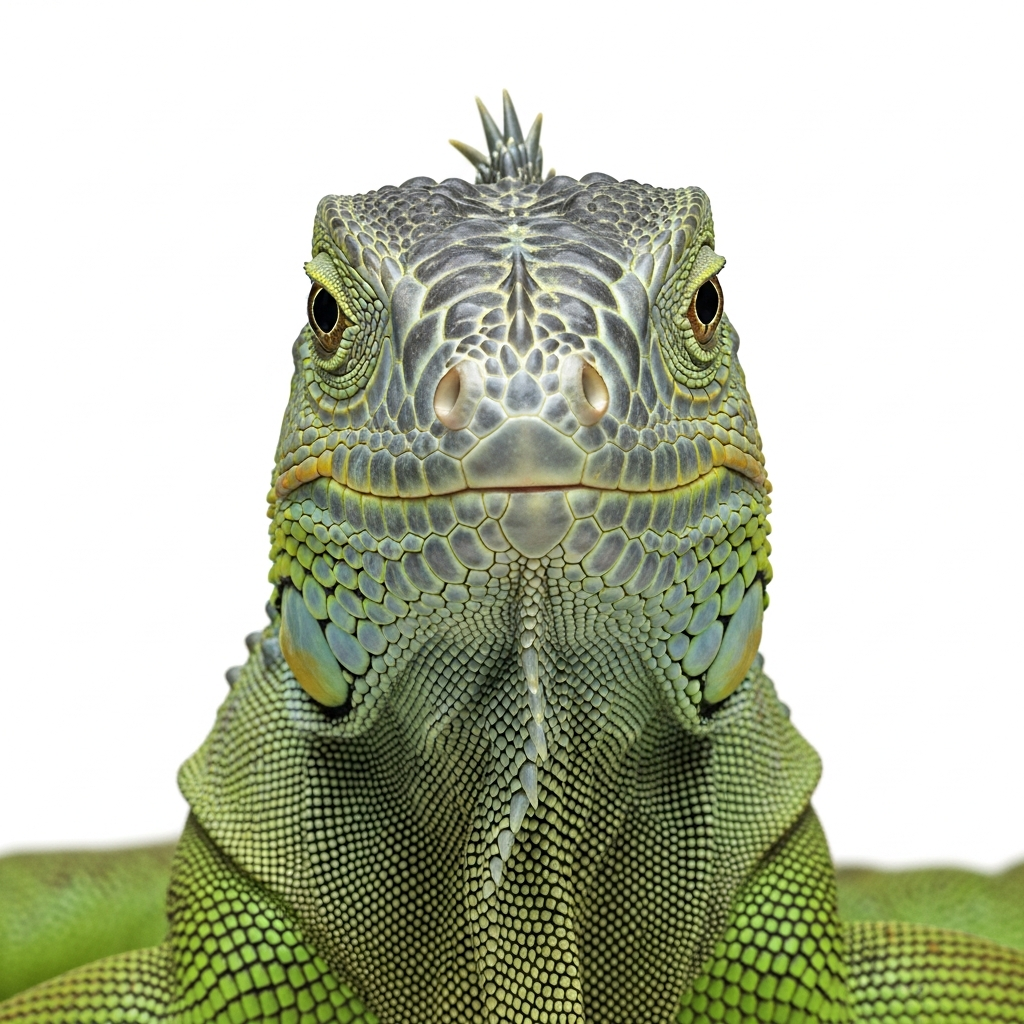
Reptiles
Reptile diets vary widely by species; calcium-to-phosphorus balance and oxalate/goitrogen load are the key safety concerns for herbivorous reptiles.
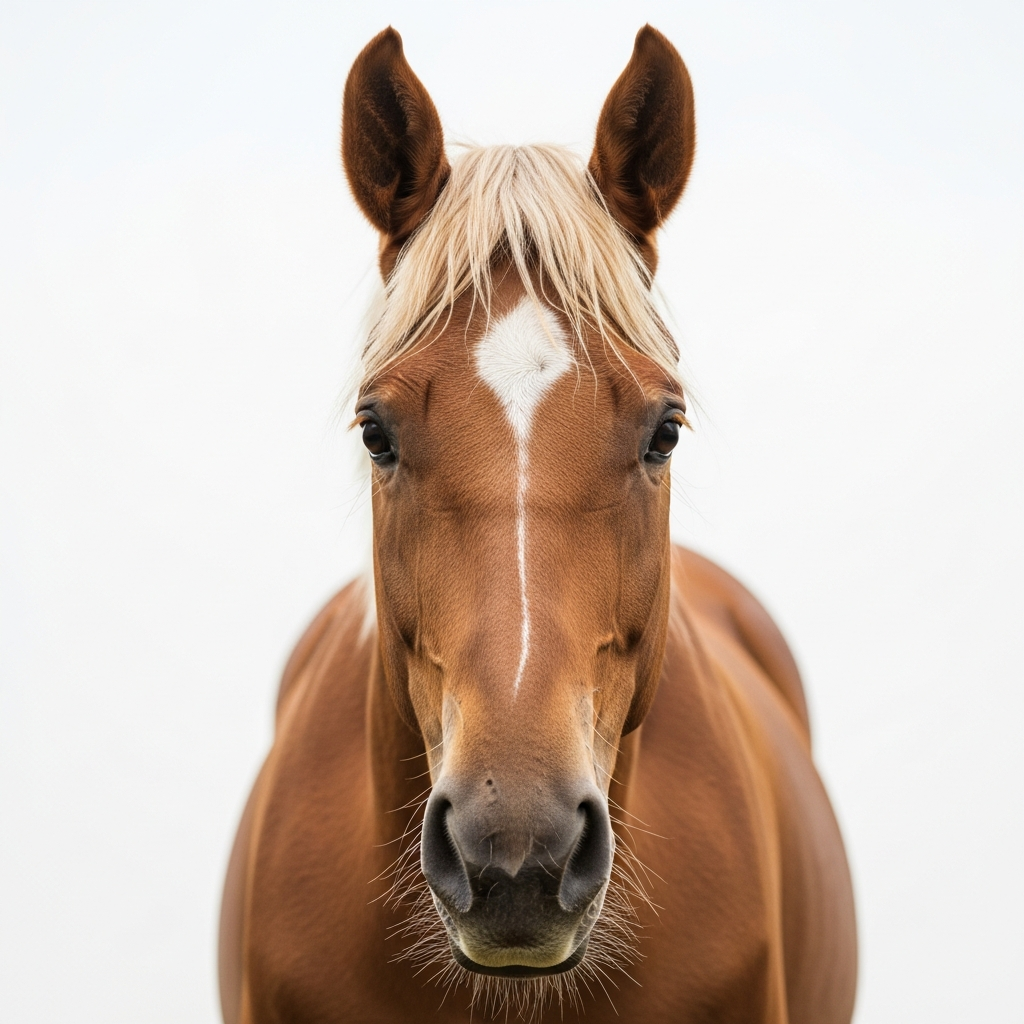
Horses
Horses are large hindgut fermenters prone to colic and laminitis; sudden sugar/starch loads and certain fruits with pits pose serious risks.
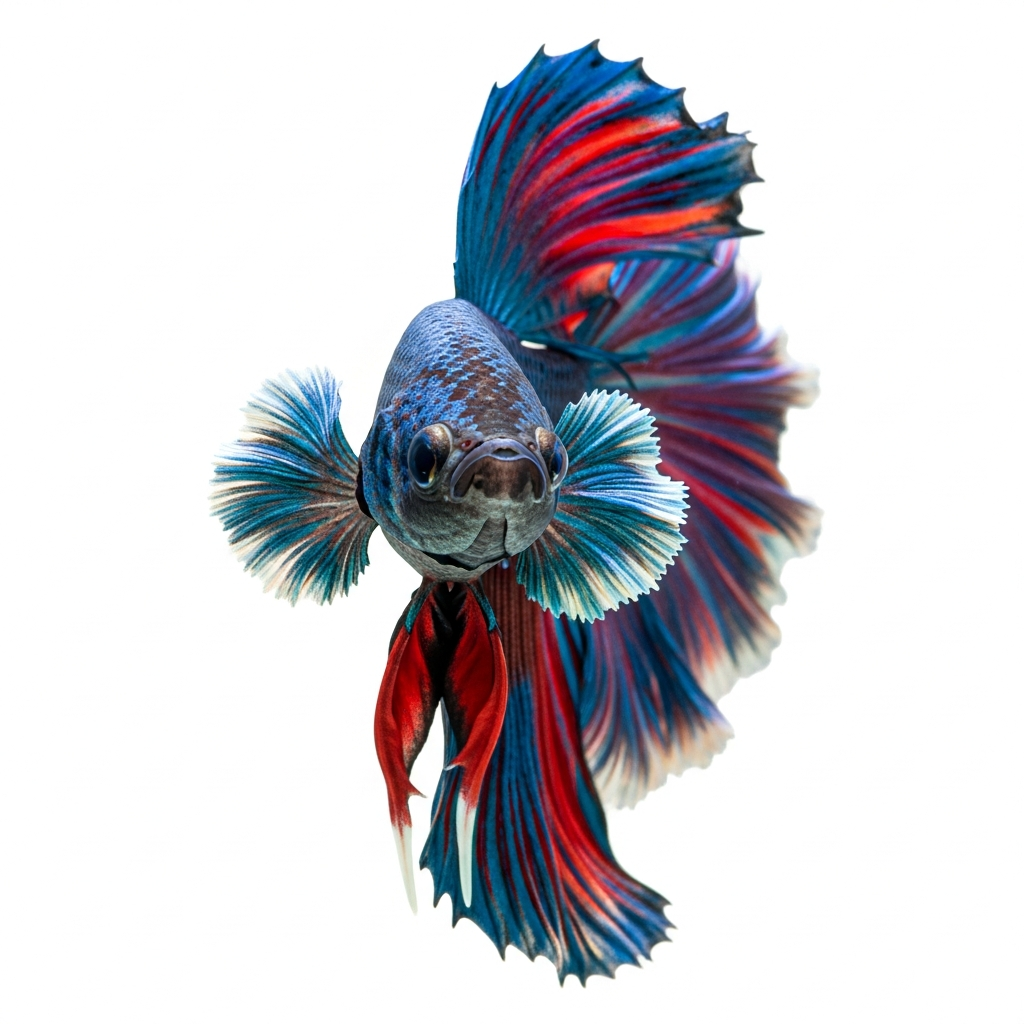
Fish
Fish need species-appropriate diets; overfeeding and fatty or starchy human foods quickly foul water and cause digestive disease.
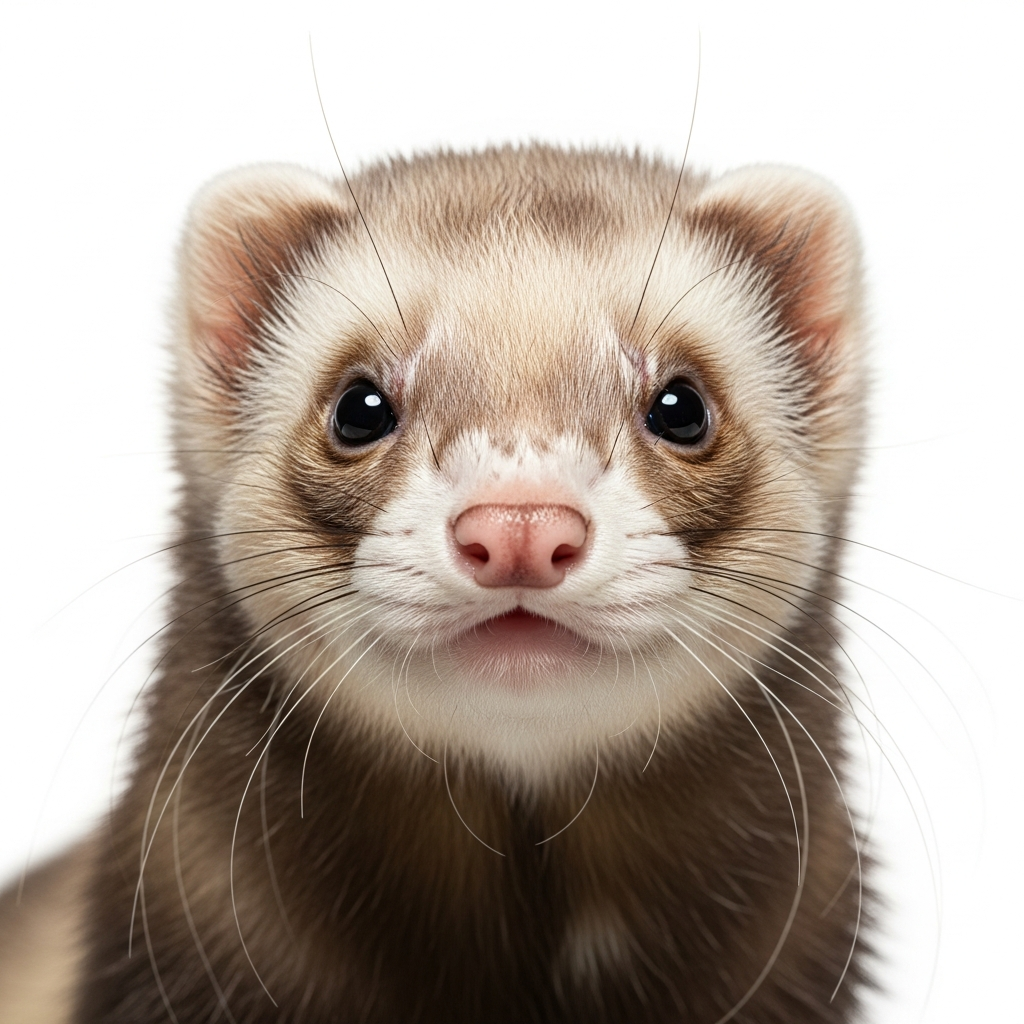
Ferrets
Ferrets are obligate carnivores with very short digestive tracts; they cannot digest carbohydrates or fiber, and sugars can trigger insulinoma.