Tek veritabanı, birbirinden çok farklı on metabolizma.
Bir köpek için zararsız olan bir ikram, bir kuş için ölümcül olabilir. Her rehber, bir türün gıdayı nasıl işlediğini özetler ve doğrudan klinik güvenlik dizinine bağlanır.

Köpekler
Köpekler her şeyi yiyen leşçillerdir; ancak yavaş karaciğer metabolizmaları onları metilksantinler, allium'lar (soğangiller) ve ksilitole karşı benzersiz biçimde savunmasız kılar.
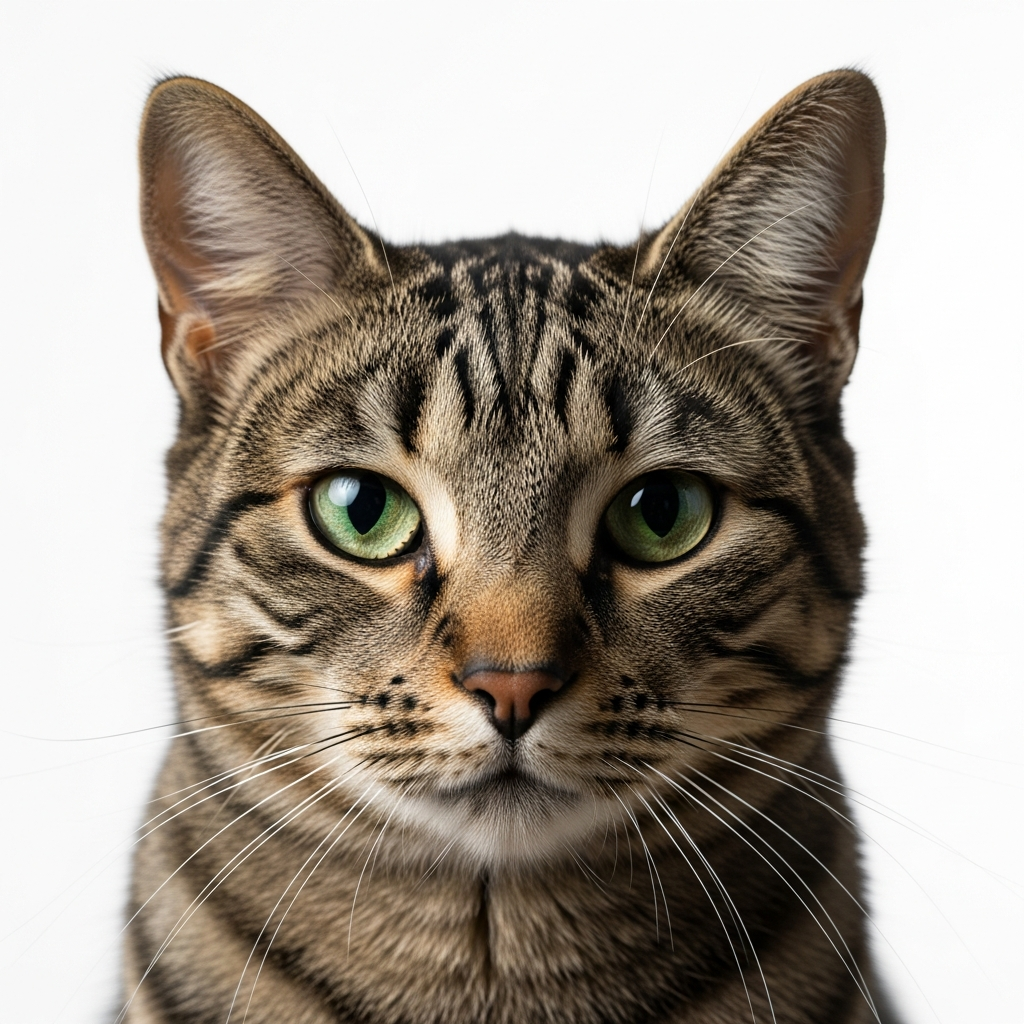
Kediler
Zorunlu etçil olan kediler, başta glukuronidasyon olmak üzere birçok detoks enziminden yoksundur; bu yüzden köpekler için güvenli olan birçok bitki bileşiği onlar için tehlikelidir.
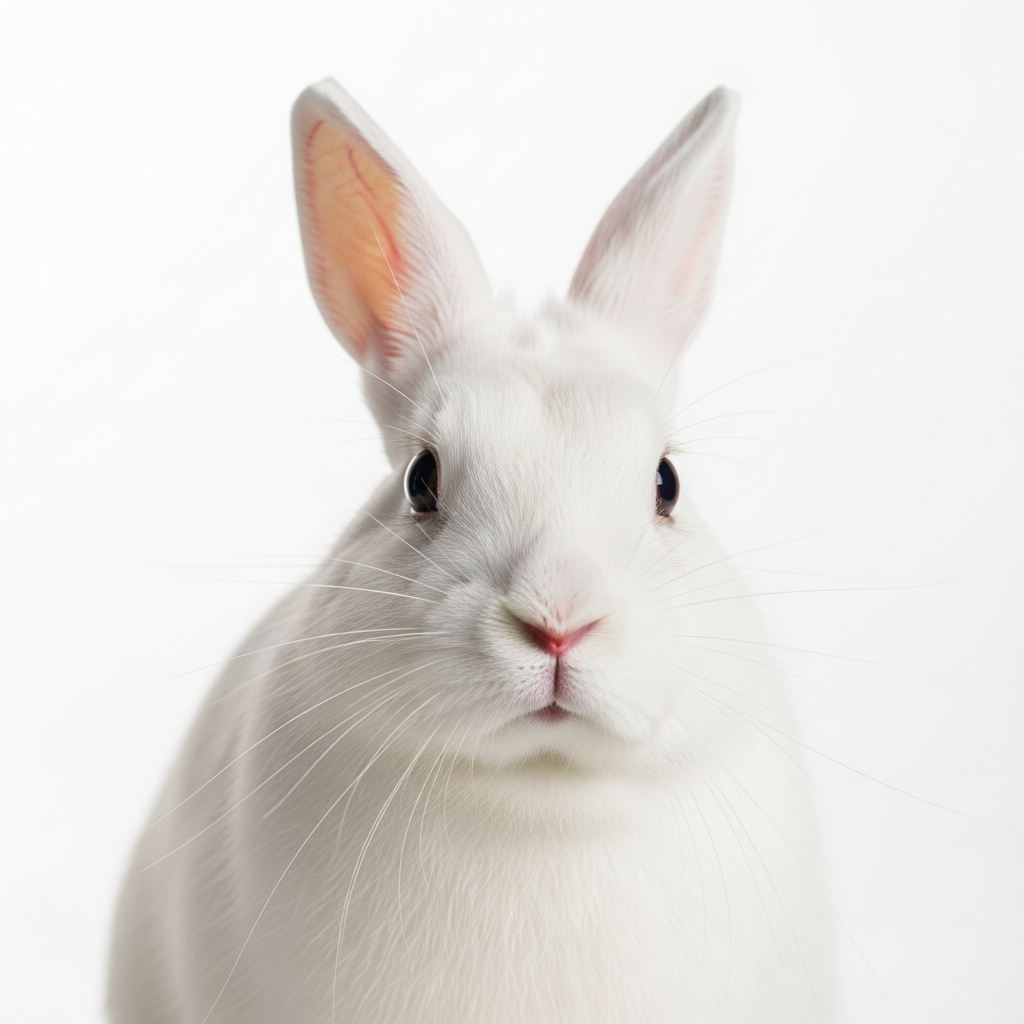
Tavşanlar
Tavşanlar katı kalın bağırsak fermantasyonu yapan otçullardır; hassas bağırsak floraları şeker, nişasta ve yağlarla ölümcül biçimde bozulabilir.
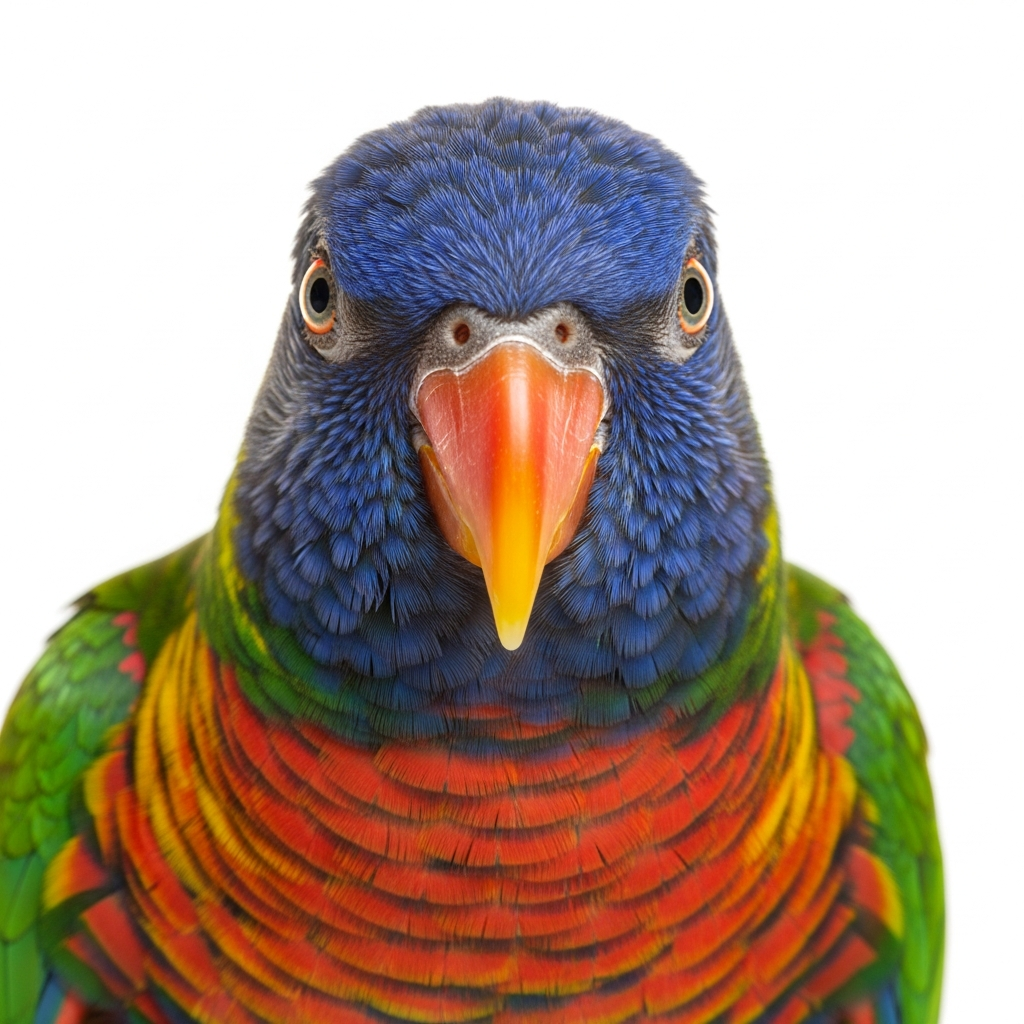
Kuşlar
Kuşların metabolizmaları son derece hızlıdır ve hava keseli solunum sistemleri vardır; bu da onları avokado (persin), kafein ve çikolataya karşı çok hassas kılar.
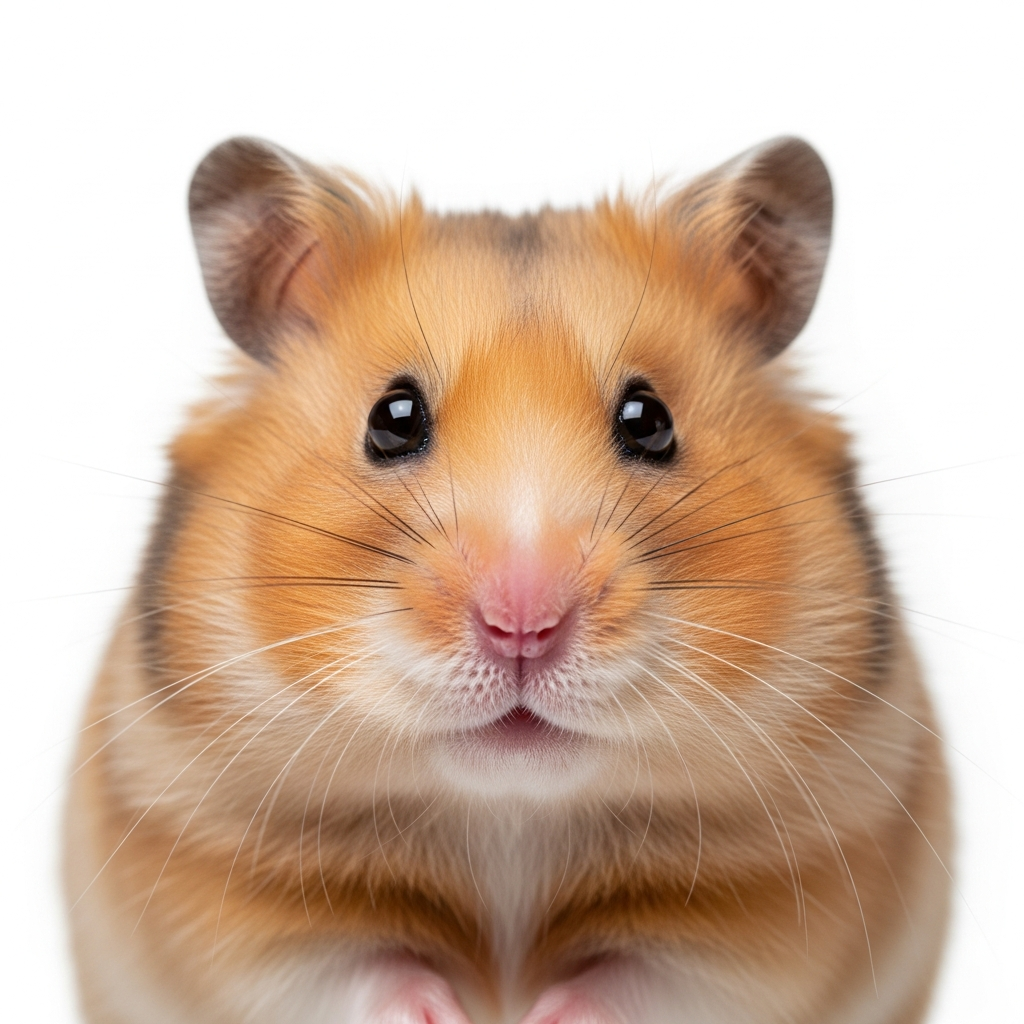
Hamsterlar
Hamsterlar yanak keseli omnivorlardır; yapışkan veya keskin gıdalarla keseleri tıkanabilir. Çok küçük vücut kütleleri nedeniyle küçük zehirli dozlar bile önemlidir.
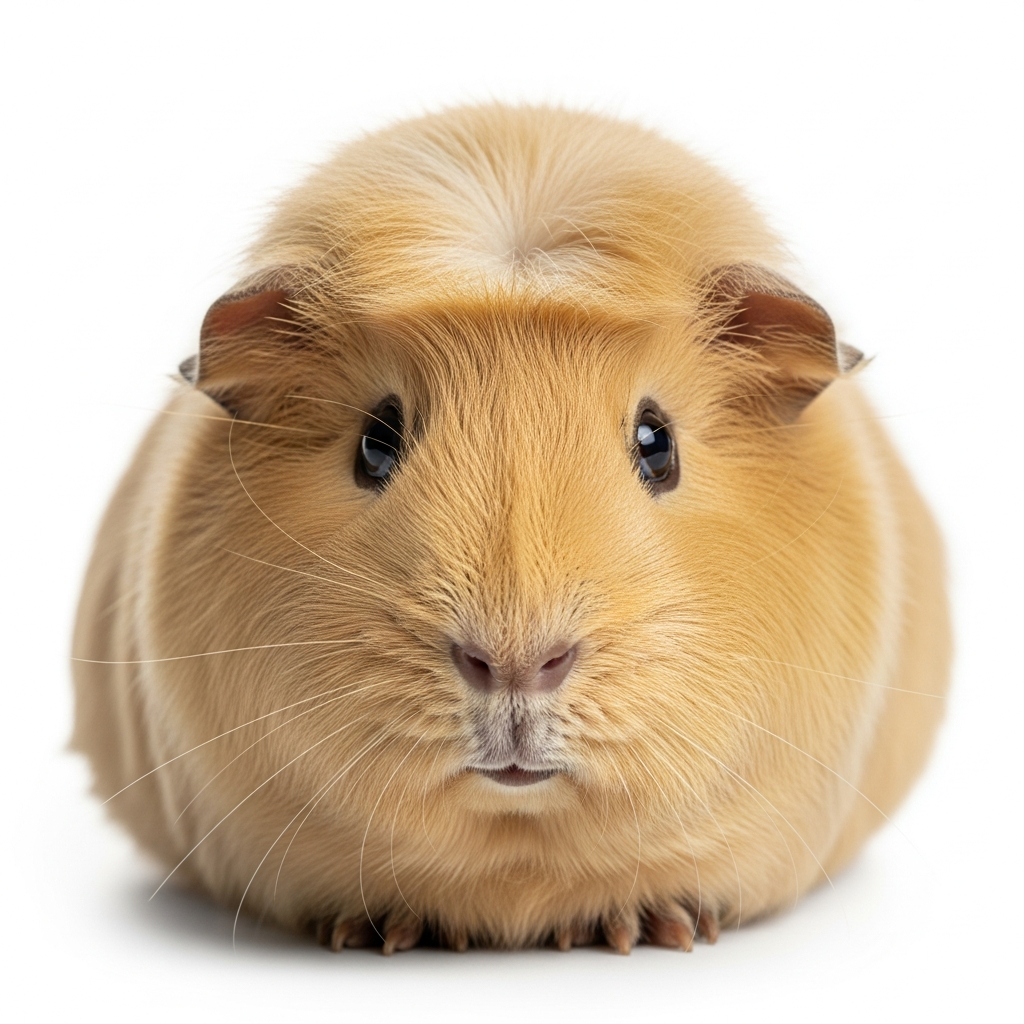
Kobaylar
Kobaylar kendi C vitaminlerini üretemez ve zorunlu otçuldur; bu yüzden diyetleri yüksek lifli, düşük şekerli ve C vitamini açısından zengin olmalıdır.
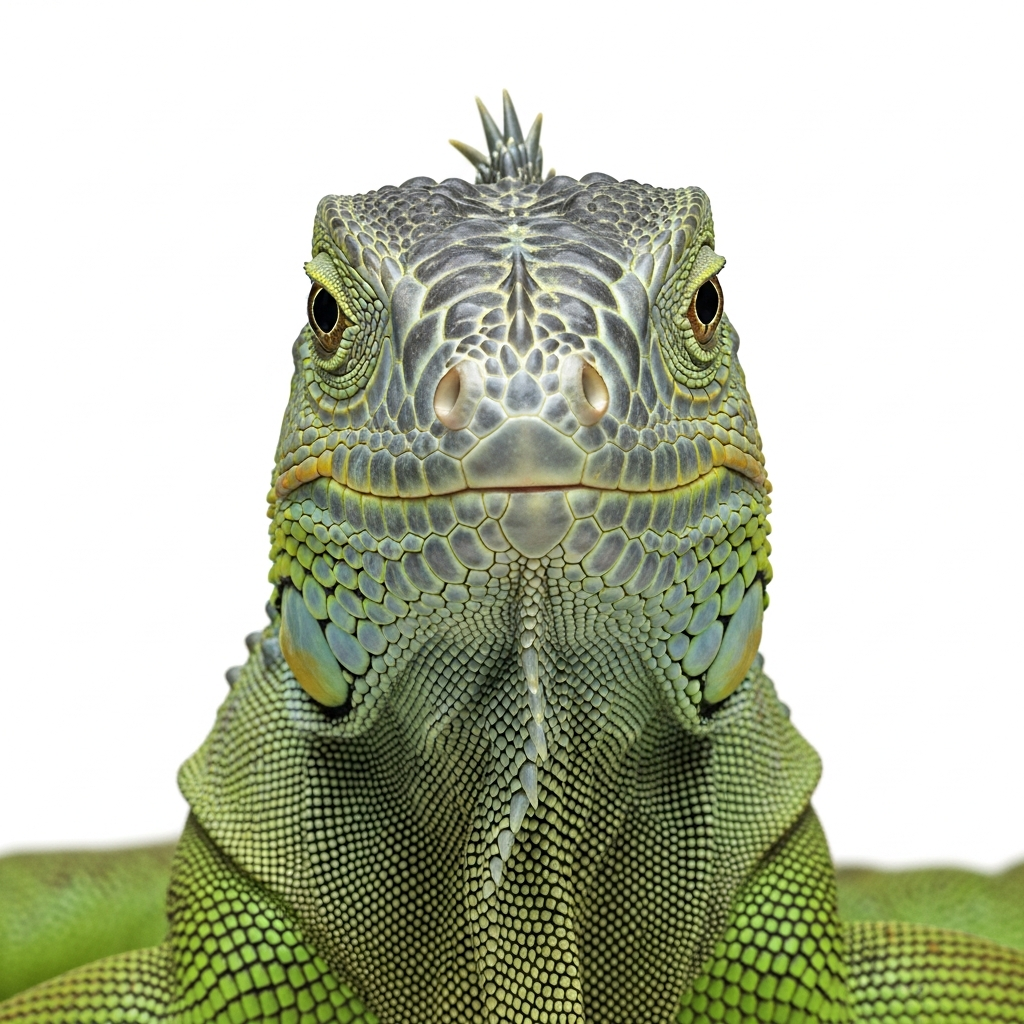
Sürüngenler
Sürüngen diyetleri türe göre büyük ölçüde değişir; otçul sürüngenler için kalsiyum-fosfor dengesi ile oksalat/guatrojen yükü temel güvenlik konularıdır.
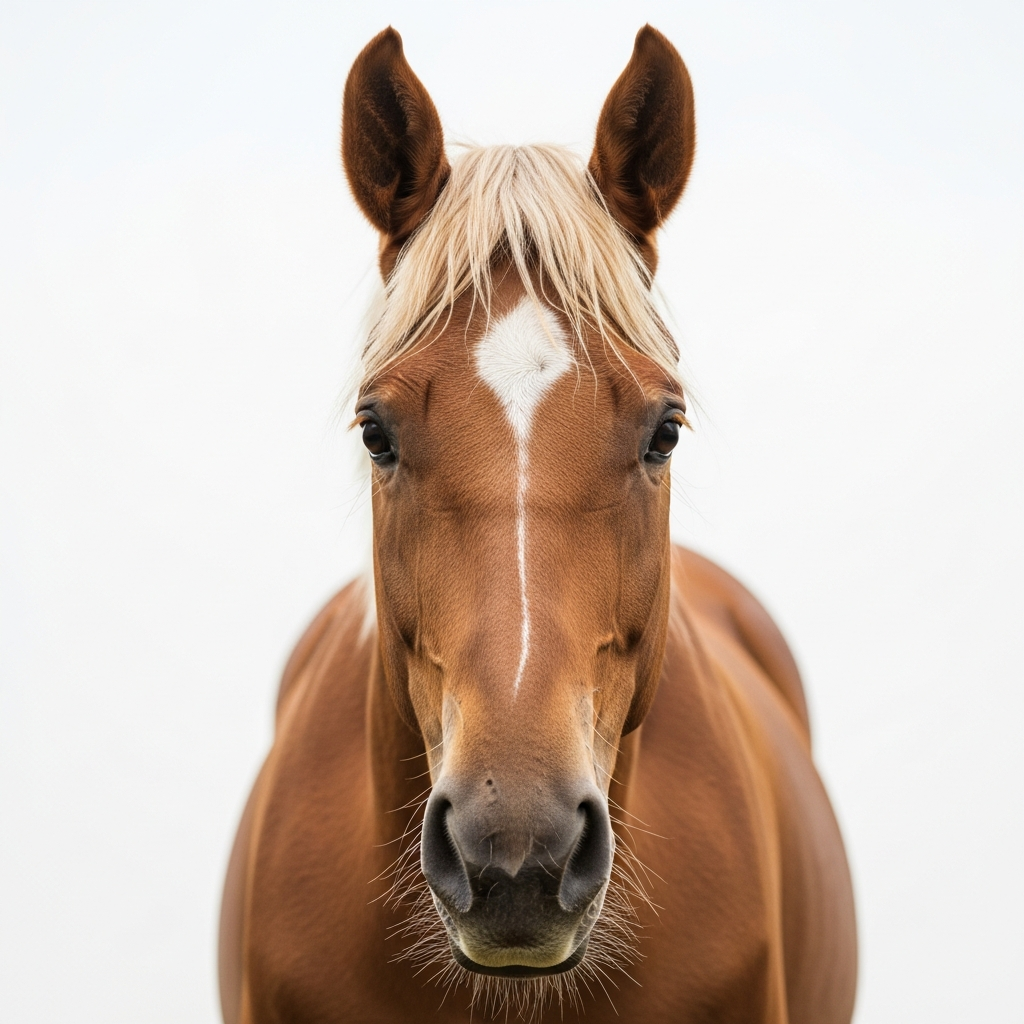
Atlar
Atlar, kolik ve laminitise yatkın büyük kalın bağırsak fermantasyoncularıdır; ani şeker/nişasta yükleri ve çekirdekli bazı meyveler ciddi risk oluşturur.
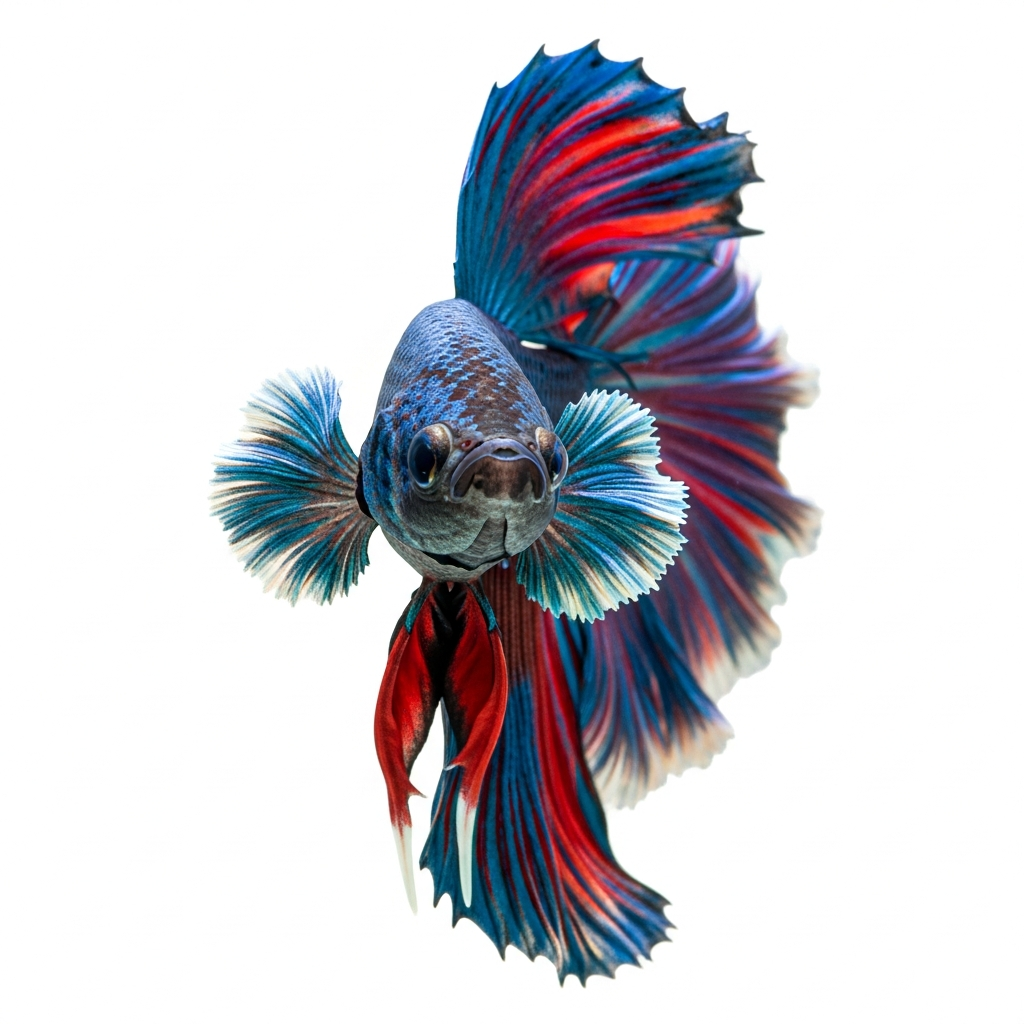
Balıklar
Balıkların türe uygun diyetlere ihtiyacı vardır; aşırı besleme ve yağlı ya da nişastalı insan gıdaları suyu hızla kirletir ve sindirim hastalığına yol açar.
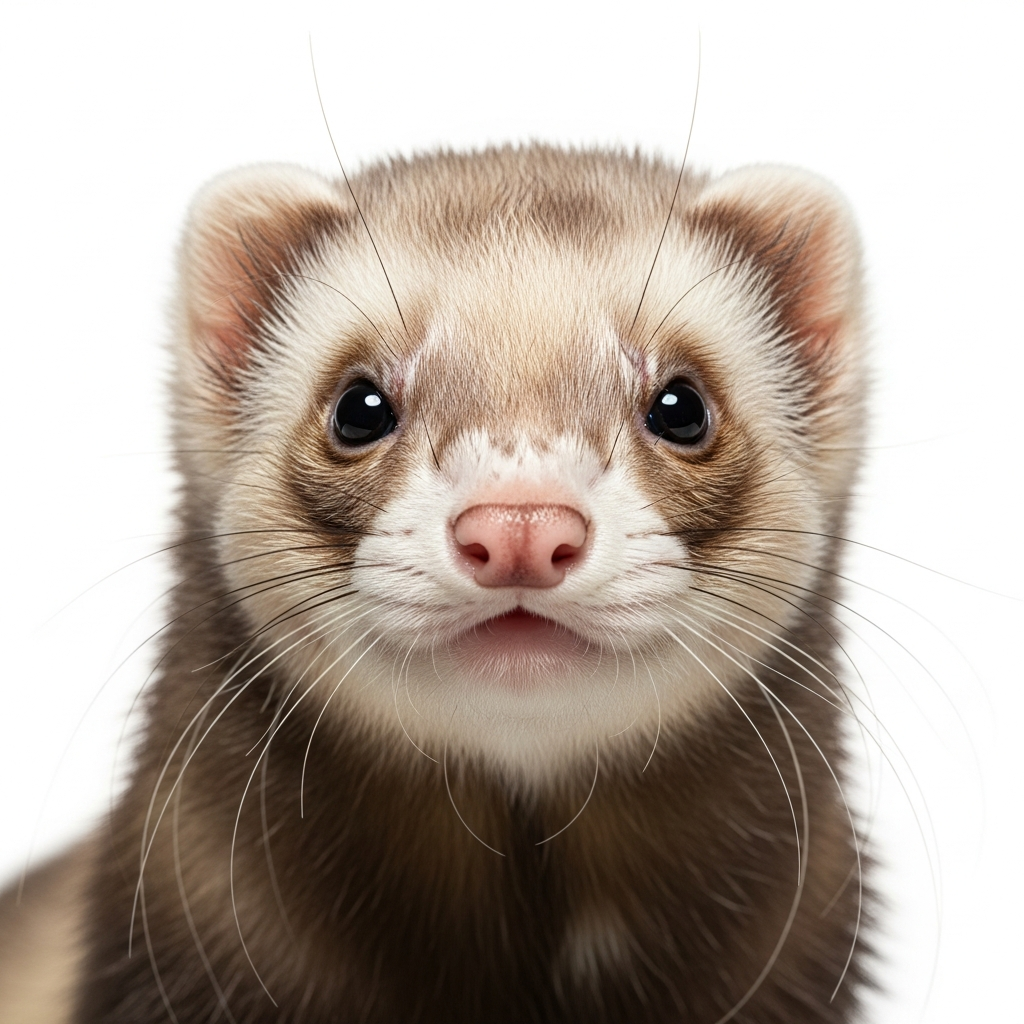
Gelincikler
Gelincikler çok kısa sindirim sistemine sahip zorunlu etçillerdir; karbonhidrat veya lif sindiremezler ve şekerler insülinomayı tetikleyebilir.