Uma base de dados, dez metabolismos muito diferentes.
Um petisco inofensivo para um cão pode ser fatal para uma ave. Cada guia resume como uma espécie processa os alimentos e liga diretamente ao seu índice clínico de segurança.

Cães
Os cães são necrófagos omnívoros, mas o seu metabolismo hepático lento torna-os particularmente vulneráveis a metilxantinas, aliáceas e xilitol.

Gatos
Como carnívoros estritos, os gatos não têm várias enzimas de desintoxicação (sobretudo a glucuronidação), pelo que muitos compostos vegetais seguros para cães são perigosos para eles.

Coelhos
Os coelhos são herbívoros de fermentação no intestino posterior; a sua delicada flora intestinal pode ser perturbada de forma fatal por açúcares, amidos e gorduras.
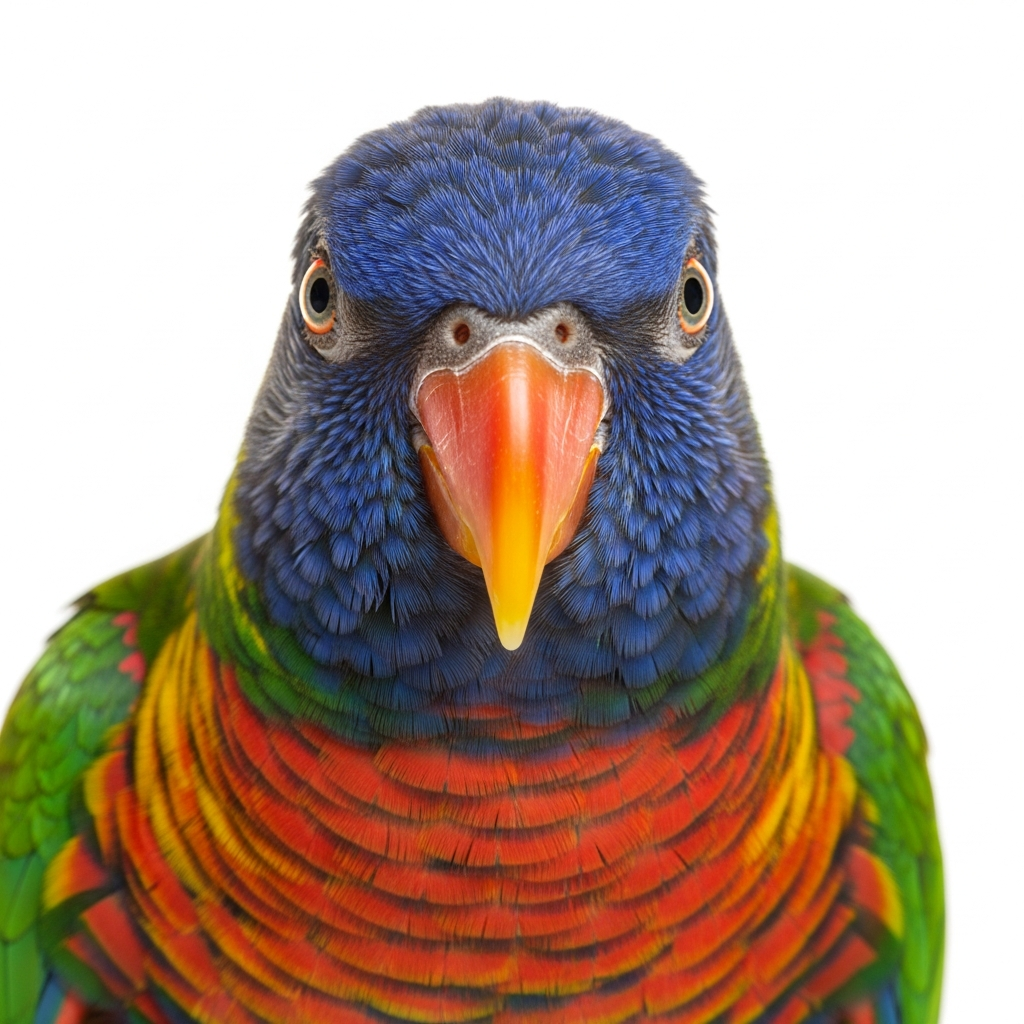
Aves
As aves têm um metabolismo extremamente rápido e um sistema respiratório com sacos aéreos, o que as torna muito sensíveis ao abacate (persina), à cafeína e ao chocolate.

Hamsters
Os hamsters são omnívoros com bolsas nas bochechas que podem ficar obstruídas com alimentos pegajosos ou afiados; a sua diminuta massa corporal torna significativas até pequenas doses tóxicas.

Porquinhos-da-índia
Os porquinhos-da-índia não conseguem sintetizar a sua própria vitamina C e são herbívoros estritos, pelo que a dieta deve ser rica em fibra, pobre em açúcar e rica em vitamina C.
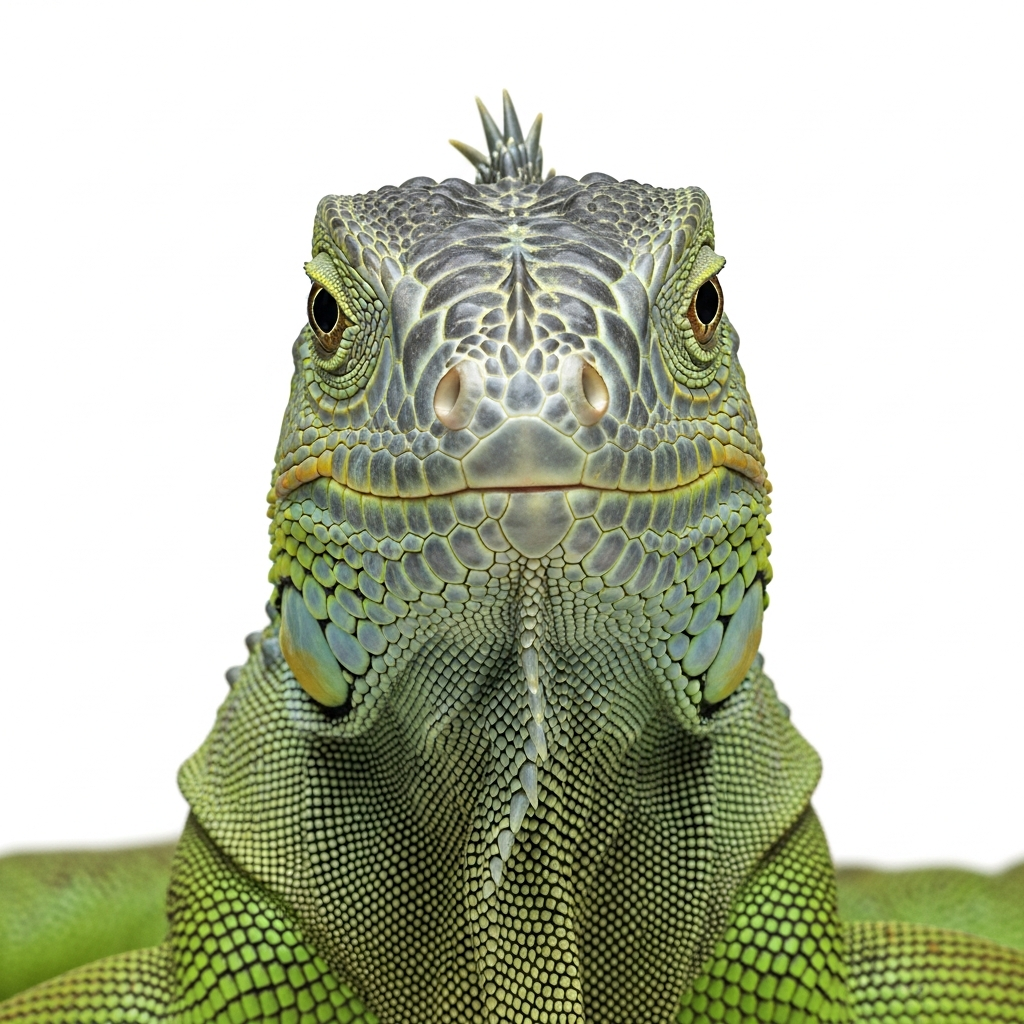
Répteis
As dietas dos répteis variam muito conforme a espécie; o equilíbrio cálcio-fósforo e a carga de oxalatos/bociogénios são as principais preocupações de segurança nos répteis herbívoros.

Cavalos
Os cavalos são grandes fermentadores do intestino posterior propensos a cólicas e laminite; cargas súbitas de açúcar/amido e certos frutos com caroço representam riscos graves.
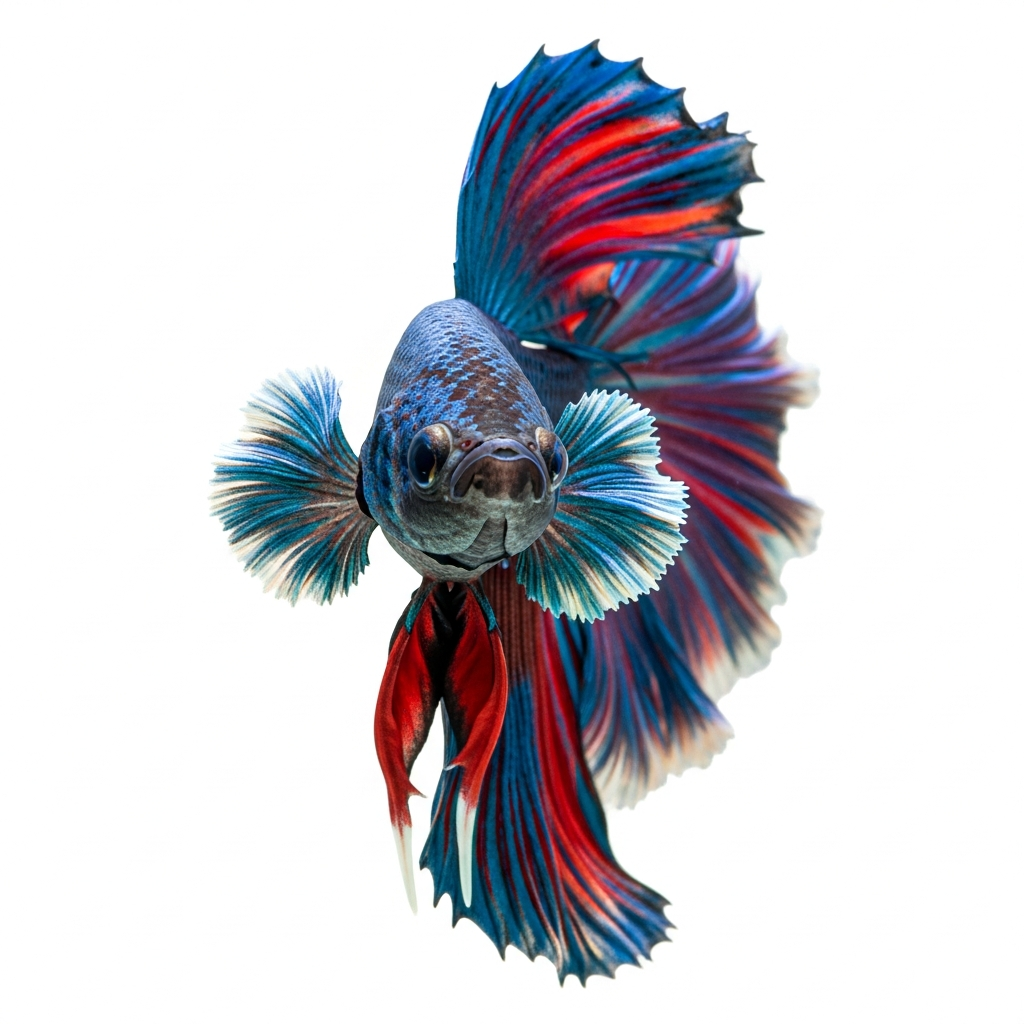
Peixes
Os peixes precisam de dietas adequadas à espécie; a sobrealimentação e os alimentos humanos gordurosos ou amiláceos sujam rapidamente a água e causam doenças digestivas.

Furões
Os furões são carnívoros estritos com tratos digestivos muito curtos; não conseguem digerir hidratos de carbono nem fibra, e os açúcares podem desencadear insulinoma.