Jedna baza, dziesięć bardzo różnych metabolizmów.
Nieszkodliwy przysmak dla psa może być śmiertelny dla ptaka. Każdy przewodnik podsumowuje, jak dany gatunek przetwarza pokarm, i prowadzi bezpośrednio do jego klinicznego indeksu bezpieczeństwa.

Psy
Psy są wszystkożernymi padlinożercami, ale ich powolny metabolizm wątrobowy czyni je wyjątkowo wrażliwymi na metyloksantyny, czosnkowate i ksylitol.
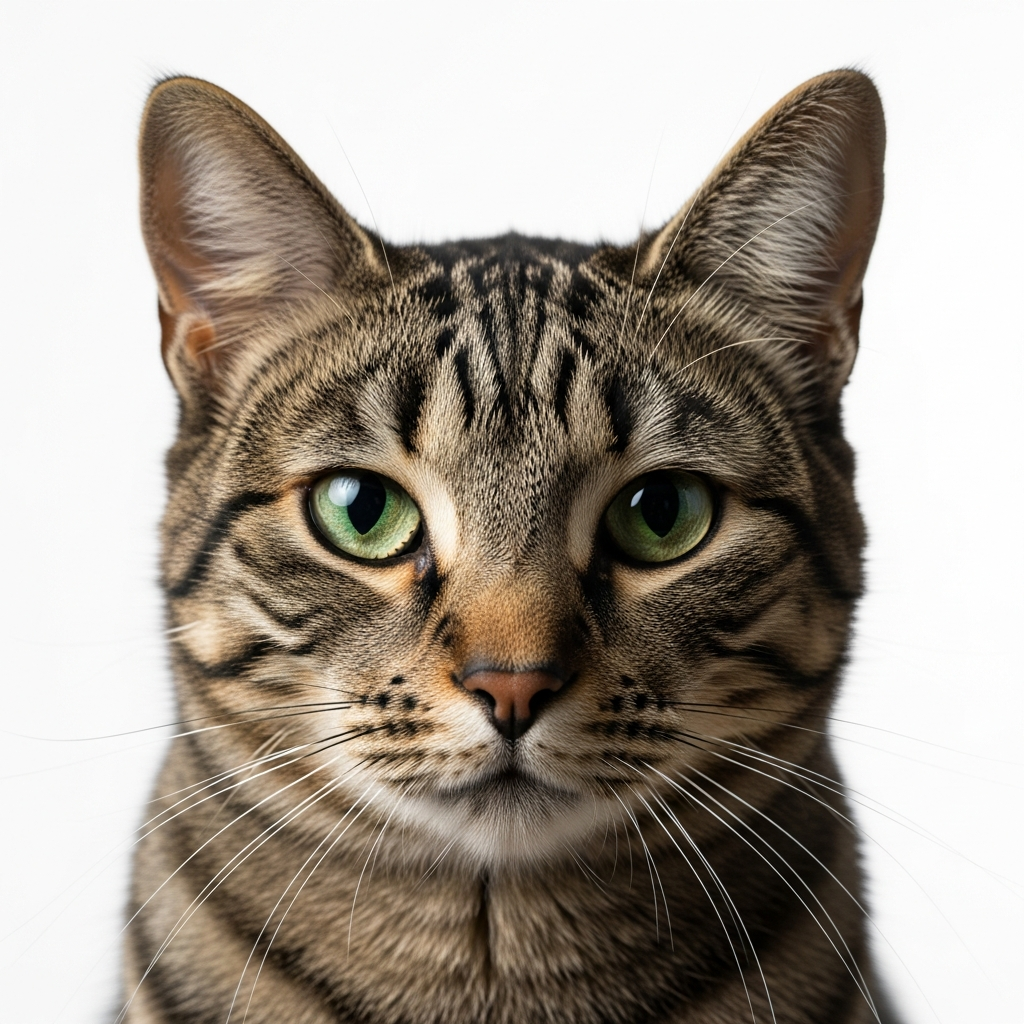
Koty
Jako bezwzględne mięsożercy koty nie mają kilku enzymów detoksykujących (zwłaszcza glukuronidacji), więc wiele związków roślinnych bezpiecznych dla psów jest dla nich groźnych.
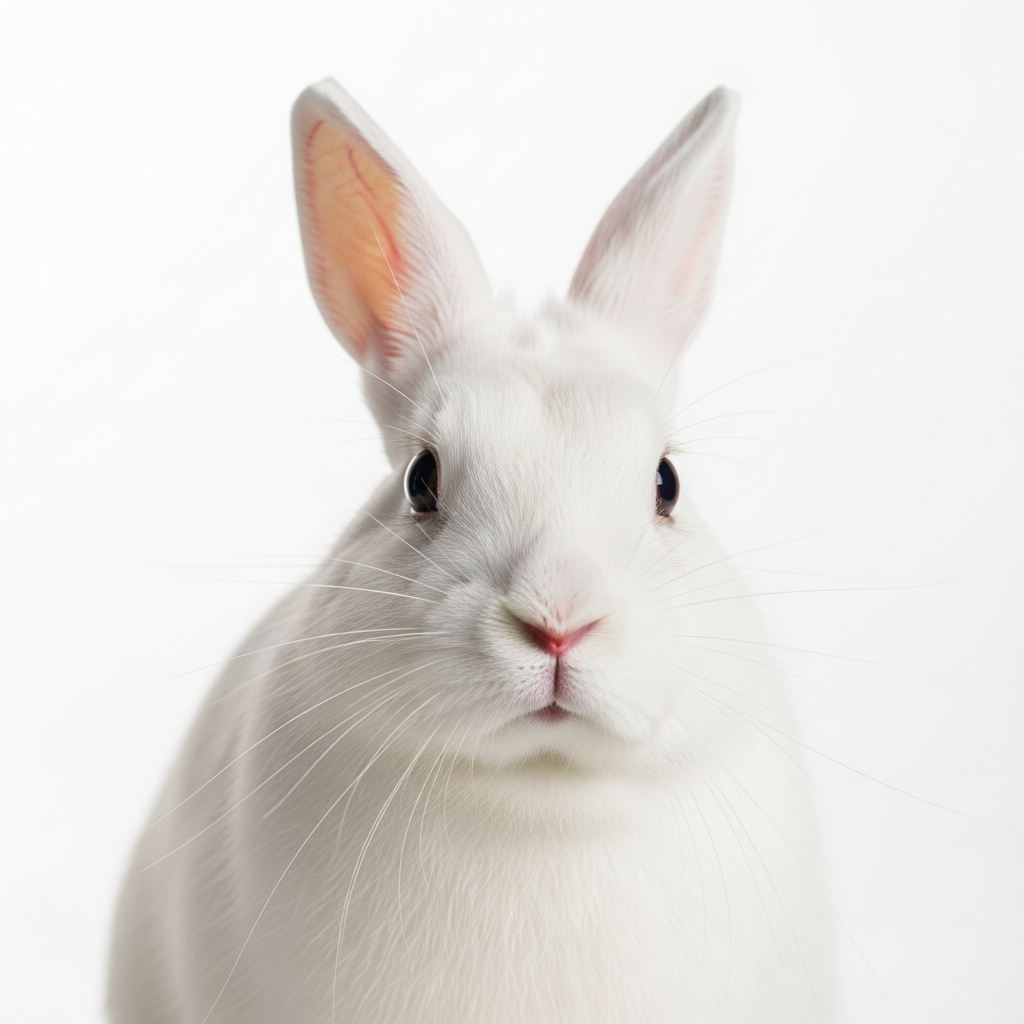
Króliki
Króliki to ścisłe roślinożerne fermentujące w jelicie ślepym; ich delikatna flora jelitowa może zostać śmiertelnie zaburzona przez cukry, skrobie i tłuszcze.
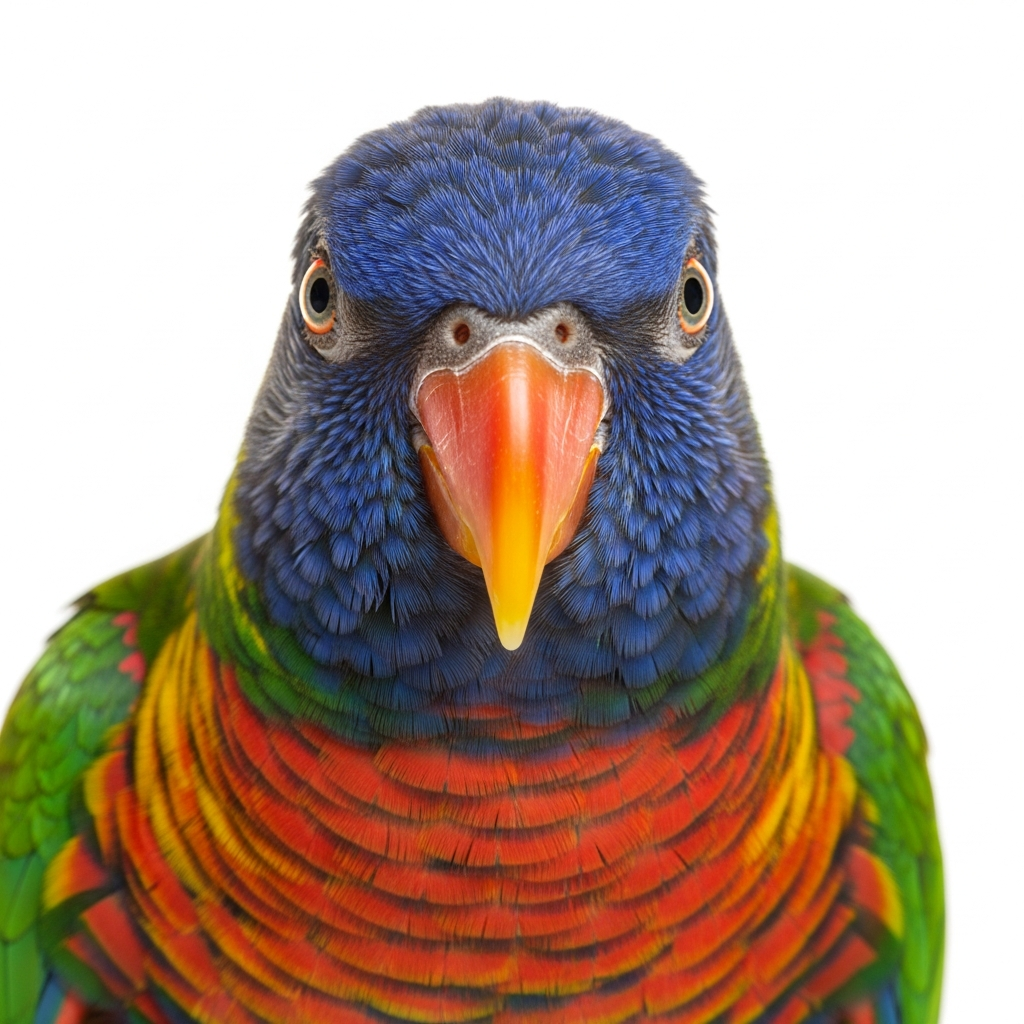
Ptaki
Ptaki mają niezwykle szybki metabolizm i układ oddechowy z workami powietrznymi, co czyni je bardzo wrażliwymi na awokado (perseinę), kofeinę i czekoladę.
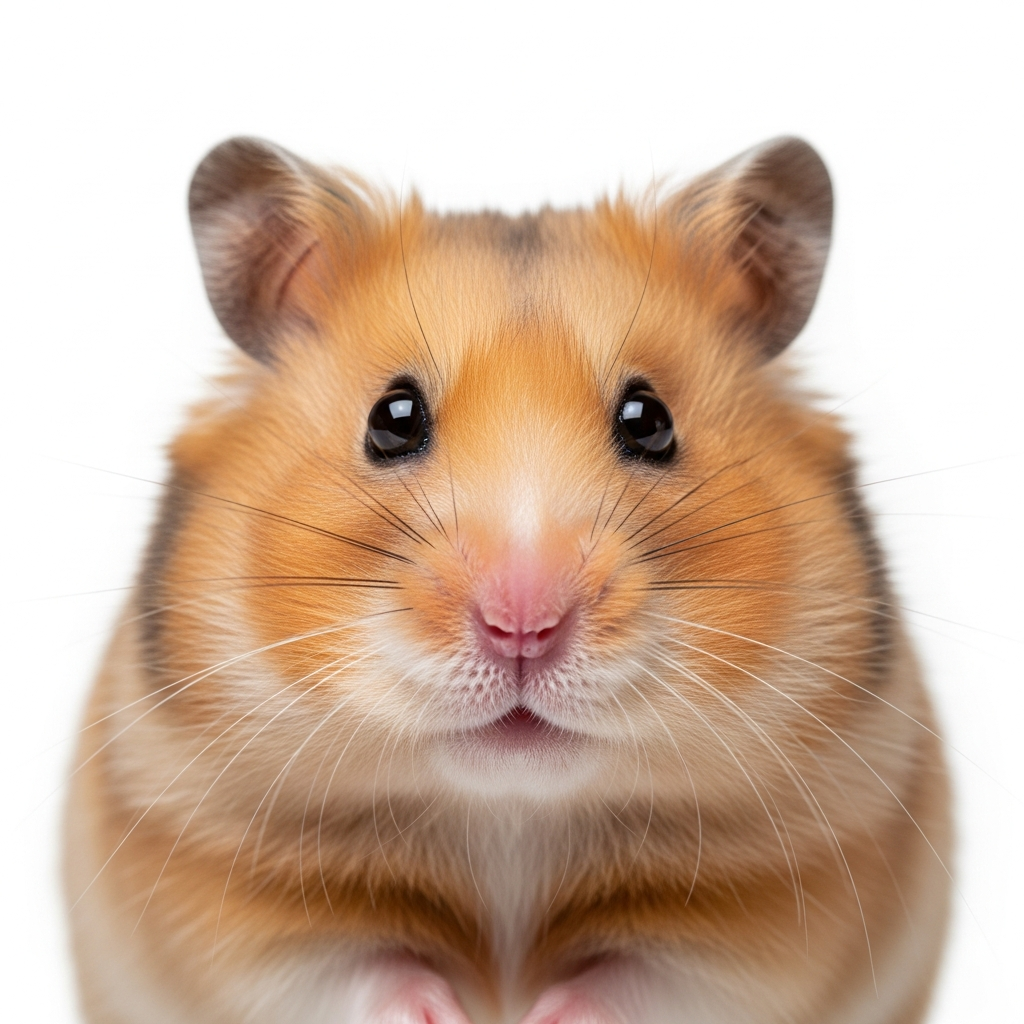
Chomiki
Chomiki to wszystkożercy z torbami policzkowymi, które mogą się zatkać lepkim lub ostrym pokarmem; ich niewielka masa ciała sprawia, że nawet małe dawki toksyczne są istotne.
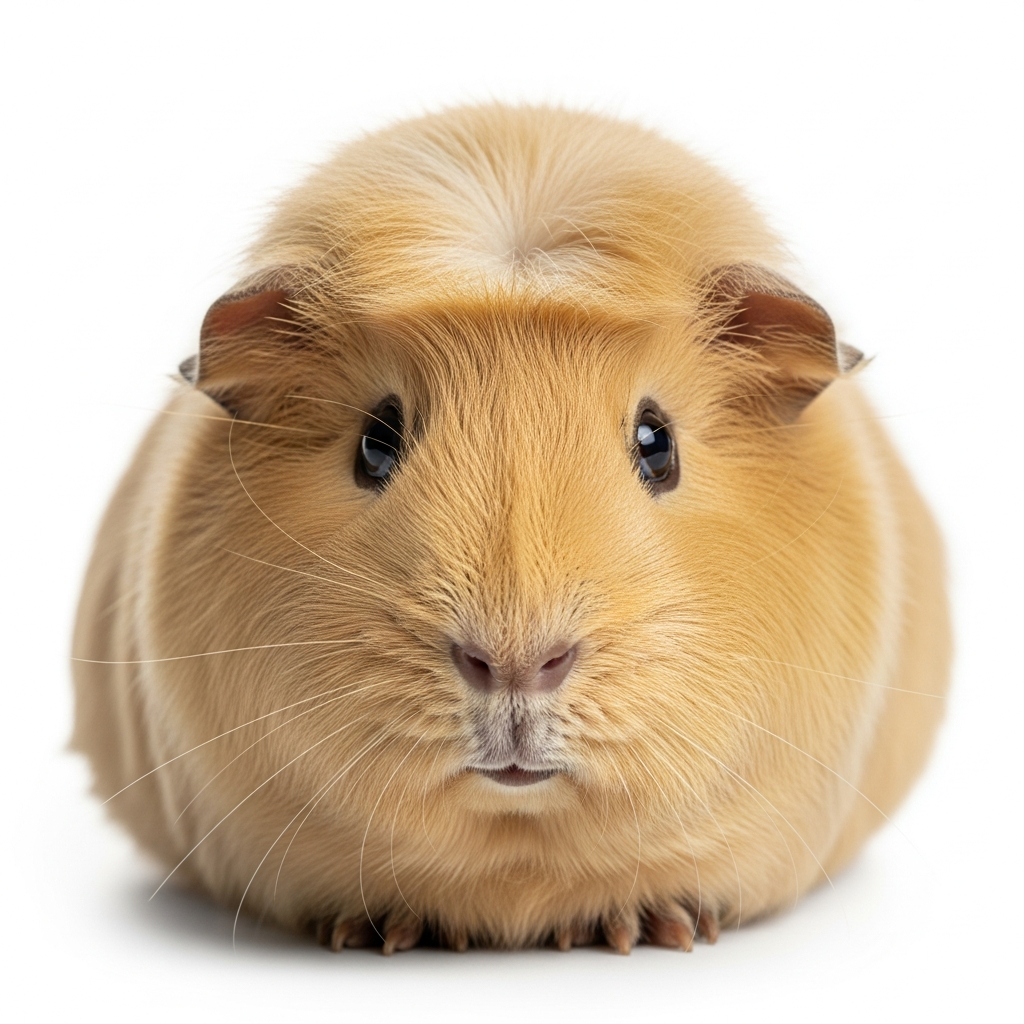
Świnki morskie
Świnki morskie nie potrafią syntetyzować własnej witaminy C i są bezwzględnymi roślinożercami, więc dieta musi być bogata w błonnik, uboga w cukier i bogata w witaminę C.
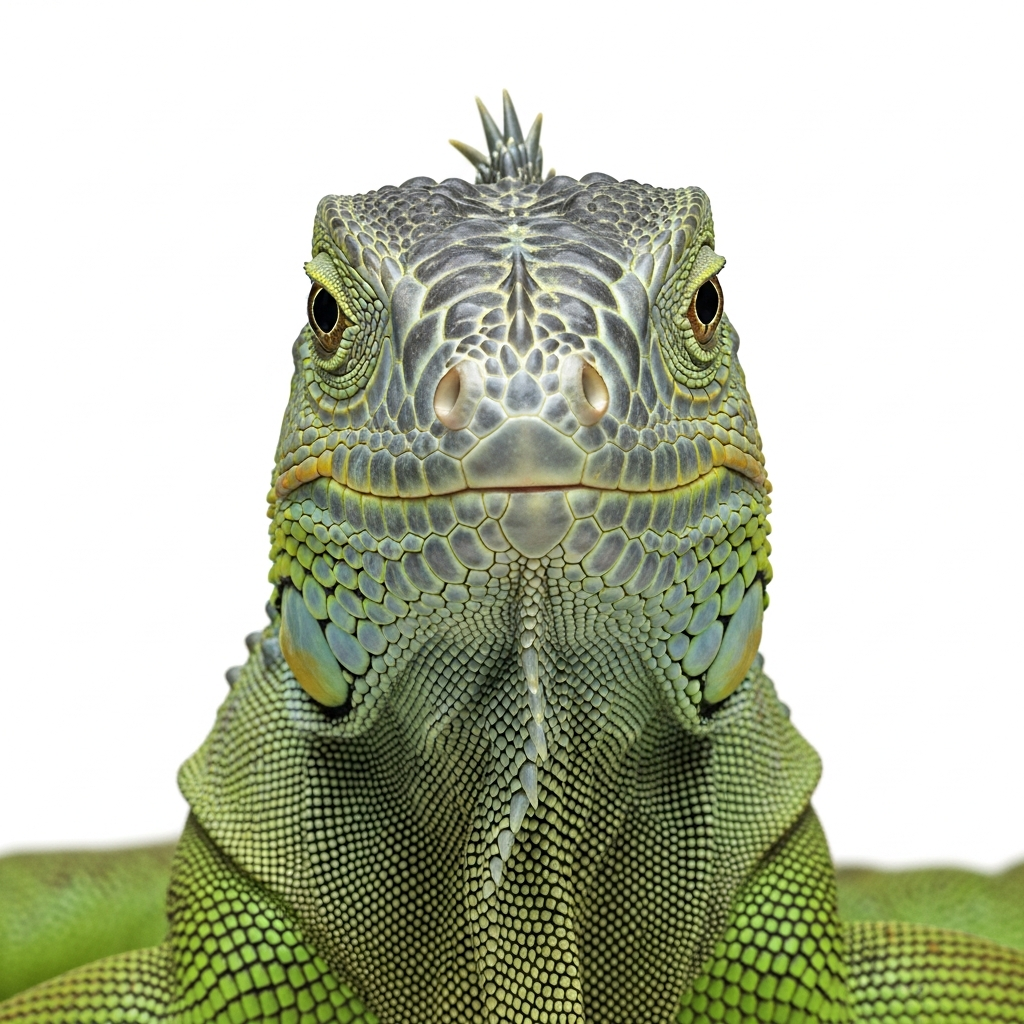
Gady
Diety gadów bardzo różnią się w zależności od gatunku; równowaga wapniowo-fosforowa oraz obciążenie szczawianami/goitrogenami to kluczowe kwestie bezpieczeństwa u gadów roślinożernych.
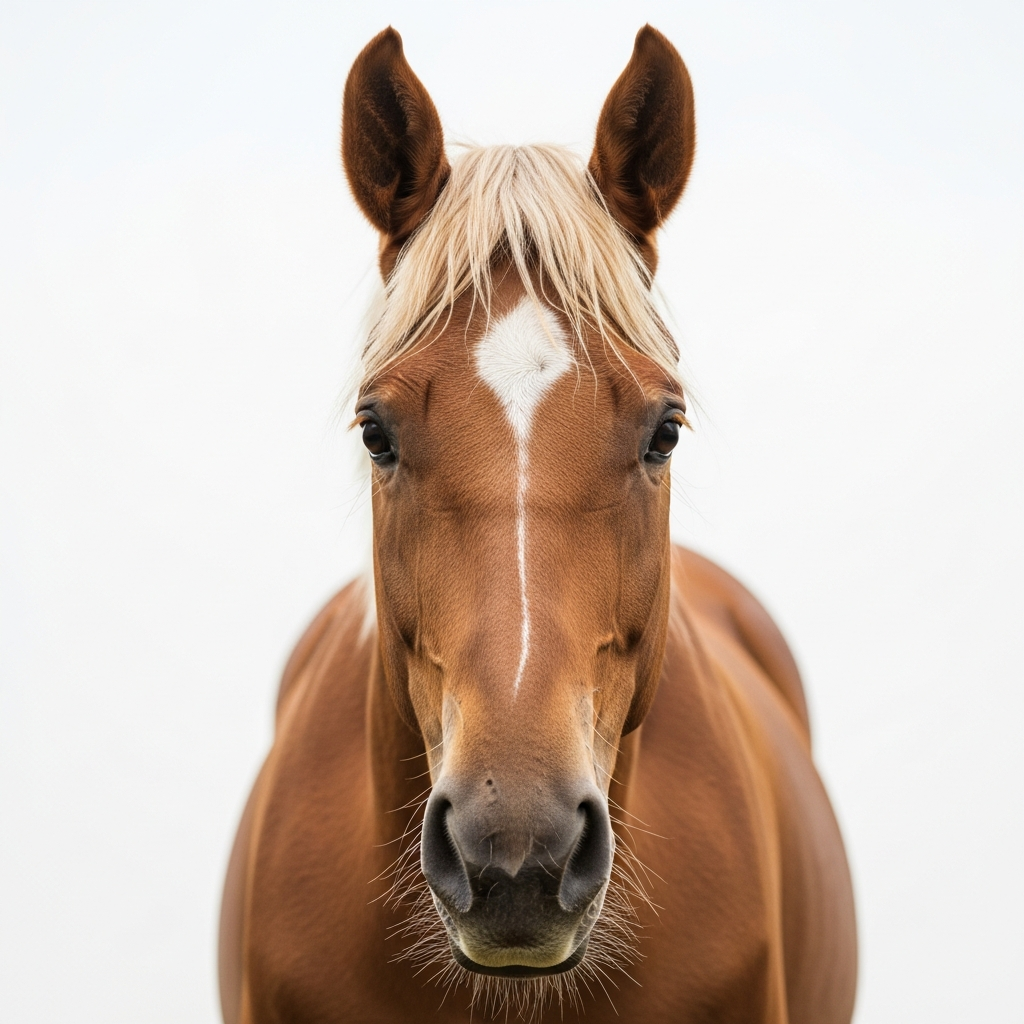
Konie
Konie to duże zwierzęta fermentujące w jelicie grubym, podatne na kolkę i ochwat; nagłe ładunki cukru/skrobi oraz niektóre owoce z pestkami stanowią poważne zagrożenie.
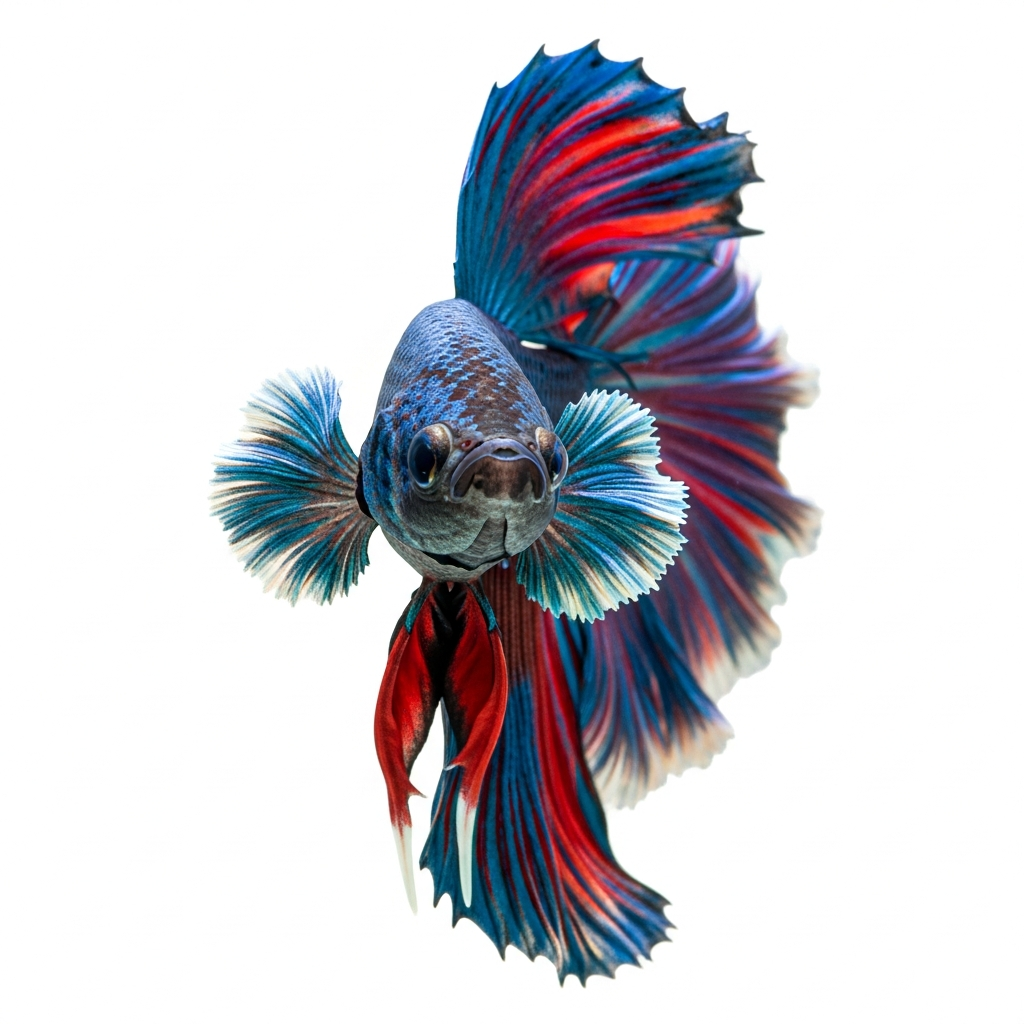
Ryby
Ryby potrzebują diety odpowiedniej dla gatunku; przekarmianie oraz tłuste lub skrobiowe ludzkie pokarmy szybko zanieczyszczają wodę i powodują choroby układu pokarmowego.
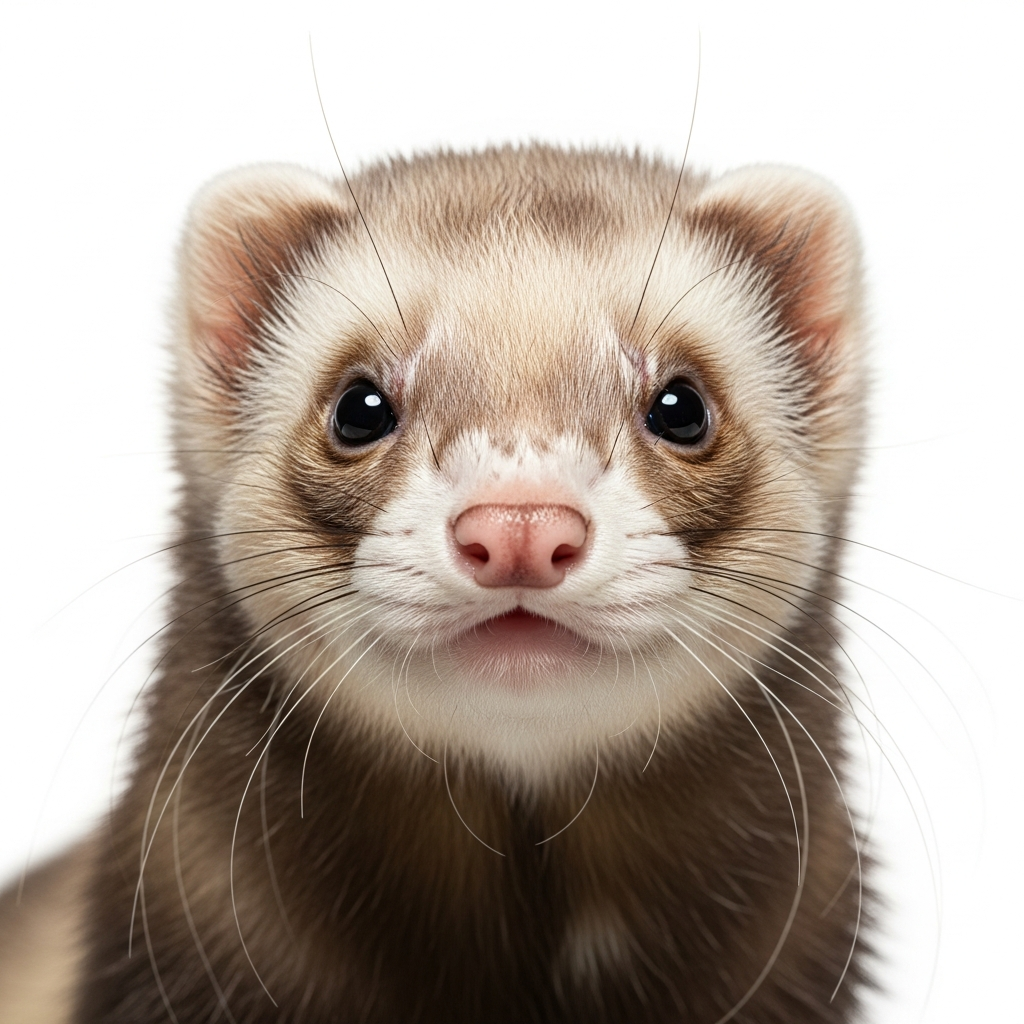
Fretki
Fretki to bezwzględne mięsożercy z bardzo krótkim przewodem pokarmowym; nie trawią węglowodanów ani błonnika, a cukry mogą wywołać insulinomę.