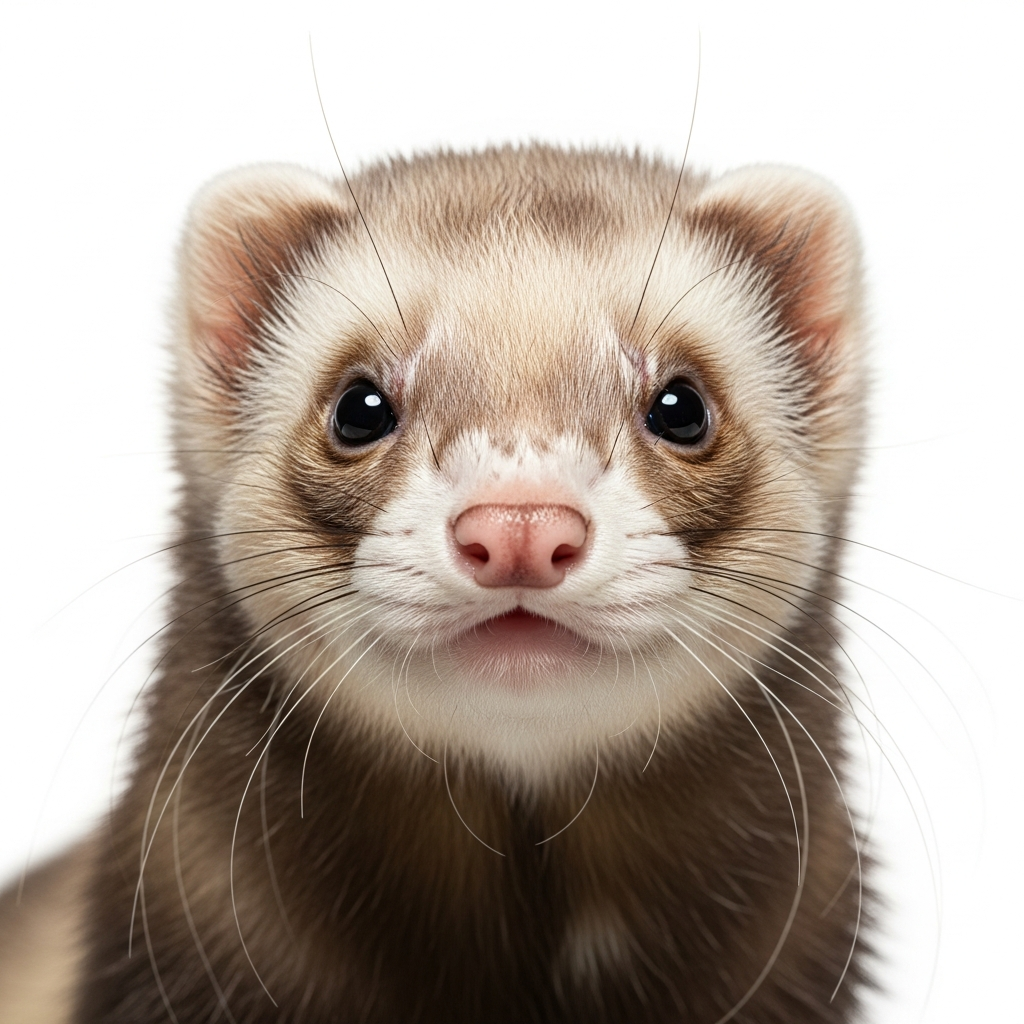
Ferrets
Ferrets are obligate carnivores with very short digestive tracts; they cannot digest carbohydrates or fiber, and sugars can trigger insulinoma.
6 foods reviewed for Ferrets
Toxicology Profile
Carbohydrate Intolerance
Ferrets lack salivary and pancreatic amylase and have no functional cecum. Undigested carbohydrates ferment in the short gut, causing diarrhea, bloating, and chronic beta-cell overstimulation.
Insulinoma Risk
Dietary sugar is the primary lifestyle trigger for insulinoma — pancreatic beta-cell tumors that cause life-threatening hypoglycemia. Even fruit sugars and raisins can chronically stimulate insulin secretion, accelerating tumor development.
Taurine & Carnitine Deficiency
Plant proteins lack the taurine and L-carnitine that ferrets require for cardiac function. A diet relying on non-animal protein leads to dilated cardiomyopathy, often presenting by age 3–4.
Most At-Risk Systems
Most Dangerous Foods
All 6 Reviewed Foods
Showing 6 of 6 foods
Xylitol (Birch Sugar)
Xylitol is an extremely dangerous sweetener for ferrets and must never be offered in any amount. Even tiny doses can trigger life-threatening hypoglycemia and acute hepatic failure in small mustelids. If a ferret has consumed anything containing xylitol, treat it as a veterinary emergency without delay.
Coffee
Coffee is highly toxic to ferrets due to its methylxanthine content — primarily caffeine — which their small bodies metabolize extremely poorly. Even a few sips of brewed coffee can deliver a lethal dose relative to a ferret's body weight. There is no safe amount of coffee for a ferret, and exposure should always be treated as a veterinary emergency.
Parsley
Parsley is not acutely toxic to ferrets in the way chocolate or grapes are to dogs, but it poses meaningful risks that make routine feeding inadvisable. The herb contains furocoumarins and a relatively high oxalate load, and ferrets' obligate-carnivore digestive systems are genuinely ill-equipped to handle plant matter. Small, infrequent nibbles are unlikely to cause a crisis, but parsley should not be offered as a regular treat or dietary supplement.
Milk
Cow's milk is not toxic to ferrets in the classical sense, but most adult ferrets are functionally lactose intolerant, meaning even small amounts can cause significant gastrointestinal distress. Ferrets are strict obligate carnivores whose digestive systems are optimised for animal protein and fat — not the lactose sugars found in mammalian dairy. Regular milk should be avoided, though purpose-made lactose-free or kitten milk replacers carry much lower risk in tiny amounts.
Pork
Plain, fully cooked pork can be fed to ferrets in moderation as a protein source, but significant caveats apply. High fat content, seasoning, processed forms, and raw pork carrying Trichinella spiralis all introduce real risk. Owners who choose pork should select lean, unseasoned, thoroughly cooked cuts and treat it as an occasional item rather than a dietary staple.
Chicken (Cooked)
Plain cooked chicken is an excellent food for ferrets. As obligate carnivores they thrive on animal protein and fat, but it must be boneless and unseasoned.