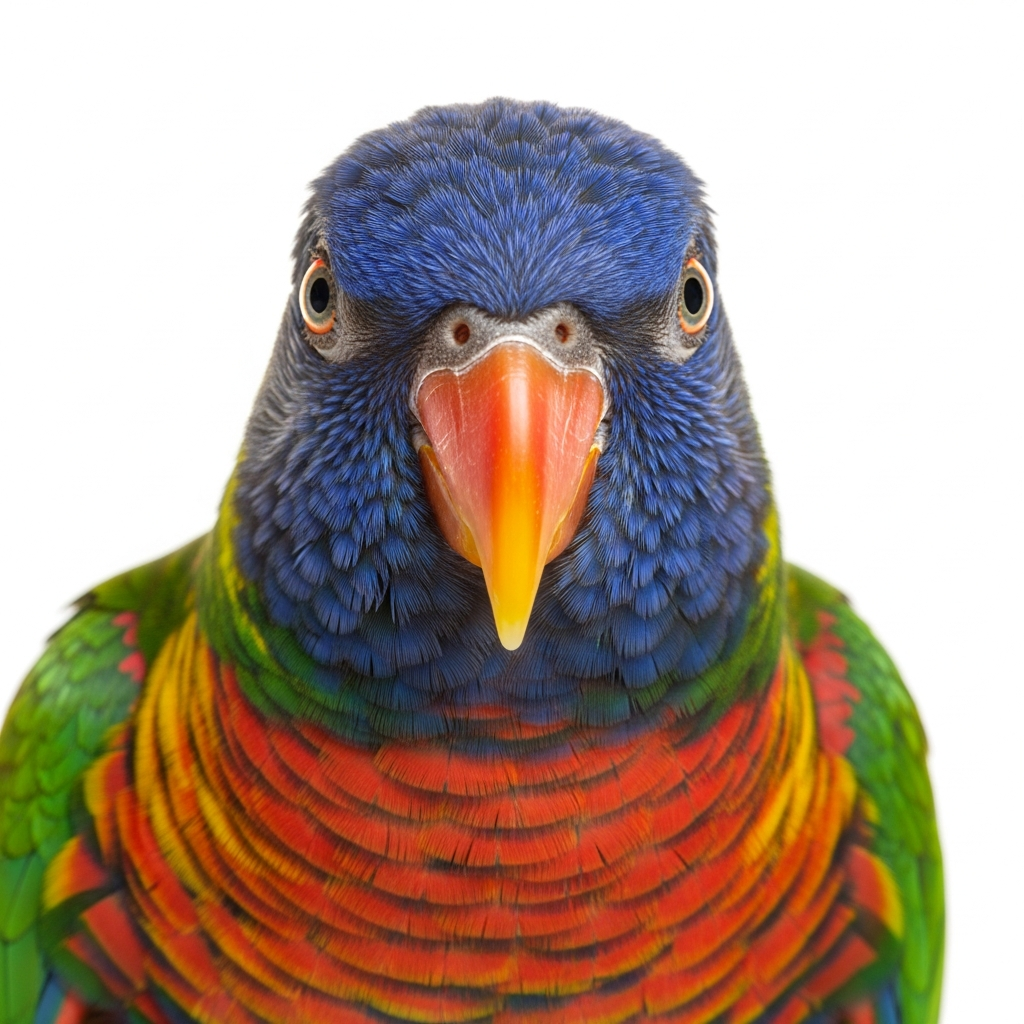
Birds
Birds have extremely fast metabolisms and air-sac respiratory systems, making them acutely sensitive to avocado (persin), caffeine, and chocolate.
6 foods reviewed for Birds
Toxicology Profile
Persin Cardiotoxicity
Avocado contains persin, a fungicidal toxin that causes myocardial necrosis (heart-muscle death) and respiratory distress in birds. Even a small bite can be fatal within 24–48 hours.
Air-Sac Vulnerability
Birds breathe with a continuous-flow system involving air sacs that concentrates airborne compounds — including vapors from overheated non-stick pans (PTFE) and fumes from cooking onions — far more than mammalian lungs.
High Metabolic Rate
A bird's resting metabolic rate is 2–4× higher than similarly sized mammals. Toxic thresholds are reached at much lower absolute doses, making even brief exposures potentially lethal.
All 6 Reviewed Foods
Showing 6 of 6 foods
Avocado
Avocado is toxic to birds. The persin in the fruit, skin, pit and leaves can cause sudden heart and breathing failure, and pet birds are extremely sensitive.
Raisins
Raisins pose a serious toxic risk to birds and should never be offered as a treat or food supplement. While the exact mechanism in avian species is not as thoroughly documented as in dogs, raisins contain concentrated compounds — including high sugar loads, possible mycotoxins, and an unidentified nephrotoxic principle — that can overwhelm a bird's extremely sensitive and small-volume metabolic systems. Avian veterinarians consistently advise against feeding any grape-derived product, including raisins, to pet or wild birds.
Potatoes
Potatoes are a complicated food for birds — the answer depends heavily on preparation and which part of the plant is involved. Plain cooked potato flesh is generally tolerated in small amounts, but raw potato, green-tinged skin, and any part of the potato plant itself contain solanine, a glycoalkaloid that is genuinely toxic to birds. Seasoned, fried, or processed potato products such as chips or mashed potato with butter are entirely unsuitable.
Turkey
Plain, cooked turkey meat is generally safe for most pet birds in small quantities, but preparation matters enormously — seasoned, fatty, or processed turkey can cause serious harm. The high protein content is manageable for healthy birds in moderation, yet turkey should never replace a nutritionally complete avian diet. Owners should treat it as an occasional treat, not a staple.
Apples
Apple flesh is generally safe for most pet birds in small, well-prepared portions, but the seeds, core, and stem contain amygdalin — a cyanogenic glycoside that releases hydrogen cyanide when metabolized. A bird's tiny body mass means even a few seeds pose a disproportionate risk. Served correctly (peeled, cored, seeded), apple is a nutritious occasional treat.
Dandelion Greens
Dandelion greens are genuinely safe and nutritious for most pet birds, including parrots, cockatiels, budgerigars, and backyard poultry. They provide vitamins A, C, and K alongside calcium and antioxidants, making them a worthwhile addition to a varied diet. The only real concern is overfeeding, which can cause loose droppings due to the high water and fiber content.