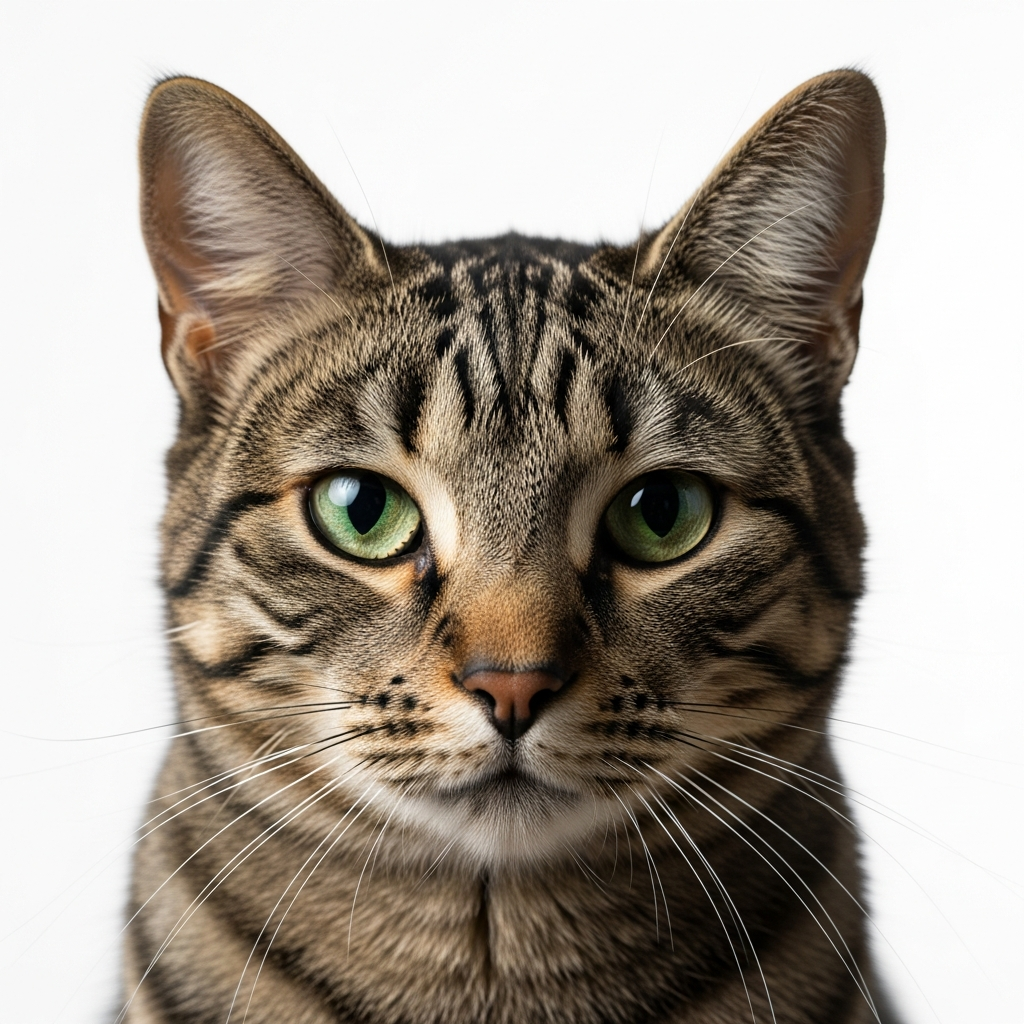
Cats
As obligate carnivores, cats lack several detoxifying enzymes (notably glucuronidation), so many plant compounds safe for dogs are dangerous for them.
7 foods reviewed for Cats
Toxicology Profile
Glucuronidation Deficiency
Cats lack the liver enzyme UGT1A6, preventing them from detoxifying common compounds like acetaminophen and many plant phenols. These substances accumulate rapidly to fatal levels even at low doses.
Allium Hypersensitivity
Onion and garlic disulfides cause Heinz-body hemolytic anemia in cats at doses 3× lower than in dogs. Even powdered forms in baby food or broths pose serious risk.
Essential Oil Toxicity
Tea tree oil, pennyroyal, and many citrus-derived oils are rapidly absorbed through skin and gut. Without adequate glucuronidation, they accumulate and cause liver failure and neurological collapse.
Most At-Risk Systems
Most Dangerous Foods
All 7 Reviewed Foods
Showing 7 of 7 foods
Onions
Onions are toxic to cats. The organosulfur compounds in every form — raw, cooked, powdered or dried — damage feline red blood cells and can cause life-threatening anemia.
Macadamia Nuts
Macadamia nuts are considered toxic to pets, though the specific toxicological mechanism remains unidentified. While most documented severe cases involve dogs, cats share enough physiological similarity that veterinary authorities advise treating macadamia nuts as a genuine hazard for cats as well. Keeping these nuts entirely out of a cat's diet is the safest and most defensible course of action.
Bones
Bones occupy a complicated middle ground for cats — raw bones can offer genuine dental and nutritional benefits, but cooked bones pose serious, sometimes fatal risks including intestinal perforation and obstruction. The verdict depends heavily on bone type, preparation method, and the individual cat's size and chewing behavior. Owners should proceed with informed caution rather than blanket avoidance or uninformed permissiveness.
Pistachios
Pistachios are not acutely toxic to cats the way grapes or onions are, but they present a meaningful set of risks that make them an unsuitable snack. Their high fat content can trigger gastrointestinal upset or, with repeated exposure, contribute to pancreatitis in susceptible cats. Salted, flavored, or moldy pistachios add additional hazards—sodium toxicity and aflatoxin contamination—that push this food firmly into the 'avoid' category.
Cinnamon
Cinnamon is not acutely lethal to cats in the tiny amounts found in household foods, but it is not a safe or appropriate addition to a cat's diet. The spice contains cinnamaldehyde and coumarin compounds that can irritate mucous membranes, trigger allergic skin reactions, and cause liver stress with repeated or concentrated exposure. Owners should keep cinnamon sticks, powders, and especially cinnamon essential oil well away from their cats.
Tomatoes
Ripe tomato flesh is only mildly toxic to cats and small incidental amounts are unlikely to cause serious harm. However, green tomatoes, unripe fruit, leaves, stems, and roots contain solanine and tomatine — alkaloids that can genuinely sicken a cat. Most owners should treat tomatoes as a food to avoid rather than offer intentionally.
Blueberries
Blueberries are non-toxic to cats and pose no meaningful health risk when offered in small quantities. They contain no compounds known to cause organ damage in felines. That said, cats are obligate carnivores with limited need for fruit-derived nutrients, so blueberries should be treated as an occasional treat rather than a dietary staple.