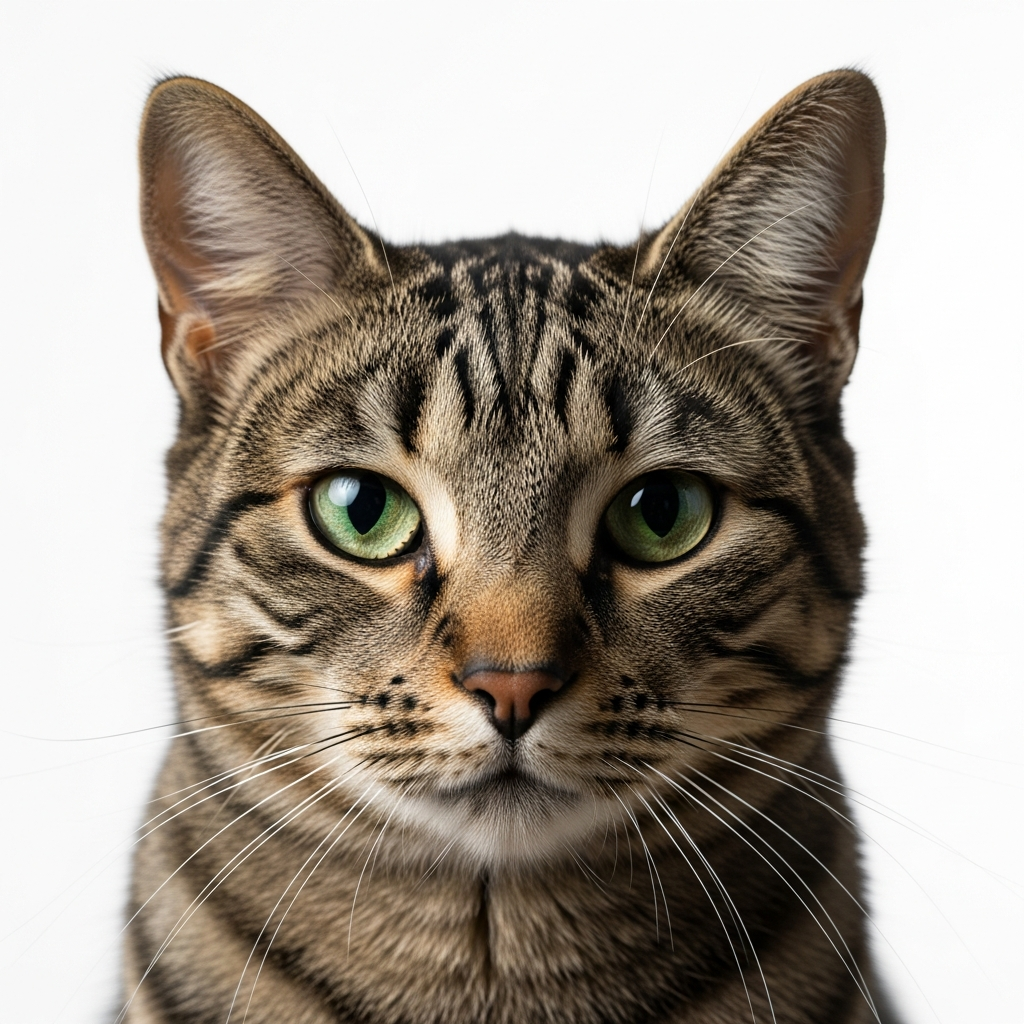
Cats
As obligate carnivores, cats lack several detoxifying enzymes (notably glucuronidation), so many plant compounds safe for dogs are dangerous for them.
7 foods reviewed for Cats
Toxicology Profile
Glucuronidation Deficiency
Cats lack the liver enzyme UGT1A6, preventing them from detoxifying common compounds like acetaminophen and many plant phenols. These substances accumulate rapidly to fatal levels even at low doses.
Allium Hypersensitivity
Onion and garlic disulfides cause Heinz-body hemolytic anemia in cats at doses 3× lower than in dogs. Even powdered forms in baby food or broths pose serious risk.
Essential Oil Toxicity
Tea tree oil, pennyroyal, and many citrus-derived oils are rapidly absorbed through skin and gut. Without adequate glucuronidation, they accumulate and cause liver failure and neurological collapse.
Most At-Risk Systems
Most Dangerous Foods
All 7 Reviewed Foods
Showing 2 of 7 foods
Clear FiltersTomatoes
Ripe tomato flesh is only mildly toxic to cats and small incidental amounts are unlikely to cause serious harm. However, green tomatoes, unripe fruit, leaves, stems, and roots contain solanine and tomatine — alkaloids that can genuinely sicken a cat. Most owners should treat tomatoes as a food to avoid rather than offer intentionally.
Blueberries
Blueberries are non-toxic to cats and pose no meaningful health risk when offered in small quantities. They contain no compounds known to cause organ damage in felines. That said, cats are obligate carnivores with limited need for fruit-derived nutrients, so blueberries should be treated as an occasional treat rather than a dietary staple.