Can Cats eat Onions?

Keep all onion away from cats
Onions, like garlic, leeks and chives, contain N-propyl disulfide, which triggers oxidative damage to a cat's red blood cells. The anemia is often delayed, so a cat can seem fine at first.
Immediate Action Required
If your cat has eaten Onions, do not wait for symptoms to appear. Prompt veterinary intervention can prevent serious harm.
Why are onions dangerous for cats?
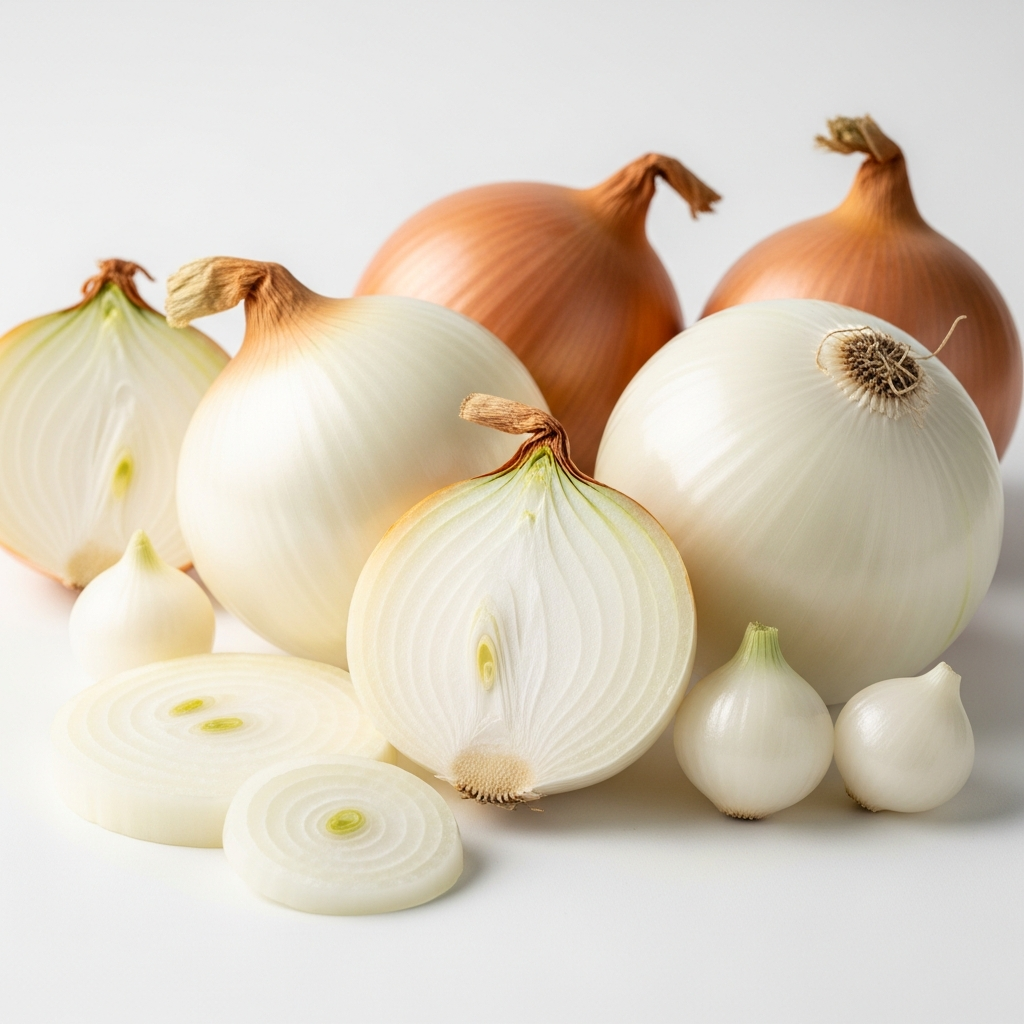
Onions — cats.
Onions belong to the Allium family. When a cat eats them, organosulfur compounds are converted into oxidants that attack the hemoglobin inside red blood cells, forming clumps called Heinz bodies. The damaged cells are removed by the body, leading to hemolytic anemia.
Every form is dangerous — raw, cooked, fried, dehydrated and powdered. In fact, onion and garlic powder in soups, baby food and seasoning are the most concentrated and the most commonly overlooked source. Because cats are small and especially sensitive, even modest amounts matter.
Most cat poisonings are not from a raw onion but from seasoned leftovers, gravy, baby food or stock that contains onion or garlic powder. Always check labels before sharing human food.
Symptoms & progression
- Vomiting, diarrhea and drooling
- Reduced appetite
- Lethargy and weakness
- Pale or yellowish gums
- Rapid breathing and racing heart
- Red or brown urine
Dose & severity
Toxicity depends on the amount relative to body weight; signs often appear about 5 g of onion per kg. The guide below is for an average 4 kg cat — always confirm with a vet.
What to do if your cat eats onion
-
1
Call a vet or poison line immediately. Describe the form (raw, cooked, powdered) and the amount.
-
2
Watch for delayed anemia. Signs can take one to three days, so monitoring is essential even if your cat seems fine.
-
3
Bring the packaging. Labels showing onion or garlic powder help the vet judge the dose.
-
4
Do not induce vomiting yourself. Let the clinician decide based on timing and amount.
Safe alternatives
Cats are obligate carnivores; share safe, plain, savoury treats instead of seasoned food.
Unseasoned, skinless and boneless — an ideal protein treat.
A little plain, boneless salmon offers omega-3s.
Formulated to be complete and safe in moderation.
Frequently asked questions
How much onion is toxic to a cat?
My cat licked gravy with onion in it — should I worry?
Is garlic safer than onion for cats?
Sources & references
- ASPCA Animal Poison Control Center — Allium Toxicosis (2024)
- Merck Veterinary Manual — Onion and Garlic Toxicity
- Journal of the American Veterinary Medical Association — Allium-induced hemolytic anemia in cats

About the author: Dra. Carmen Ortega
Diplomate of veterinary nutrition focused on species-appropriate diets and preventative feeding, and lead author of our dietary guidance.
View full profile