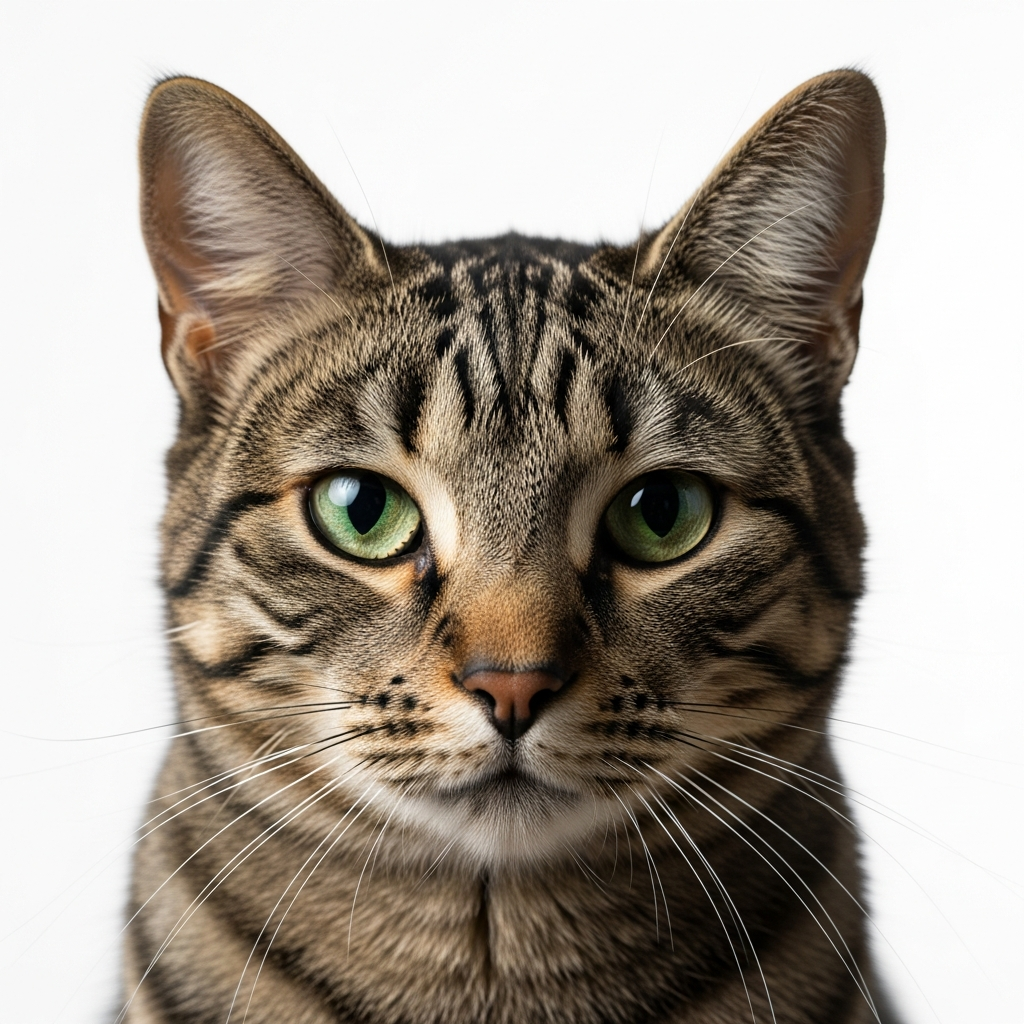
Cats
As obligate carnivores, cats lack several detoxifying enzymes (notably glucuronidation), so many plant compounds safe for dogs are dangerous for them.
7 foods reviewed for Cats
Toxicology Profile
Glucuronidation Deficiency
Cats lack the liver enzyme UGT1A6, preventing them from detoxifying common compounds like acetaminophen and many plant phenols. These substances accumulate rapidly to fatal levels even at low doses.
Allium Hypersensitivity
Onion and garlic disulfides cause Heinz-body hemolytic anemia in cats at doses 3× lower than in dogs. Even powdered forms in baby food or broths pose serious risk.
Essential Oil Toxicity
Tea tree oil, pennyroyal, and many citrus-derived oils are rapidly absorbed through skin and gut. Without adequate glucuronidation, they accumulate and cause liver failure and neurological collapse.
Most At-Risk Systems
Most Dangerous Foods
All 7 Reviewed Foods
Showing 2 of 7 foods
Clear FiltersOnions
Onions are toxic to cats. The organosulfur compounds in every form — raw, cooked, powdered or dried — damage feline red blood cells and can cause life-threatening anemia.
Macadamia Nuts
Macadamia nuts are considered toxic to pets, though the specific toxicological mechanism remains unidentified. While most documented severe cases involve dogs, cats share enough physiological similarity that veterinary authorities advise treating macadamia nuts as a genuine hazard for cats as well. Keeping these nuts entirely out of a cat's diet is the safest and most defensible course of action.