Can Guinea Pigs eat Onions?

Never feed onions to guinea pigs — they are genuinely toxic
Onions belong to the Allium genus and contain n-propyl disulfide and related organosulfur compounds that oxidize hemoglobin into Heinz bodies, rendering red blood cells fragile and prone to premature destruction. Guinea pigs lack the enzymatic defenses that allow some other species to metabolize these compounds safely, making them particularly vulnerable. All forms — raw bulb, cooked onion, onion powder, and even onion-flavored foods — carry this risk. There is no established safe dose, and exposure should be treated as a veterinary emergency.
Immediate Action Required
If your guinea pig has eaten Onions, do not wait for symptoms to appear. Prompt veterinary intervention can prevent serious harm.
Why are onions dangerous for guinea pigs?
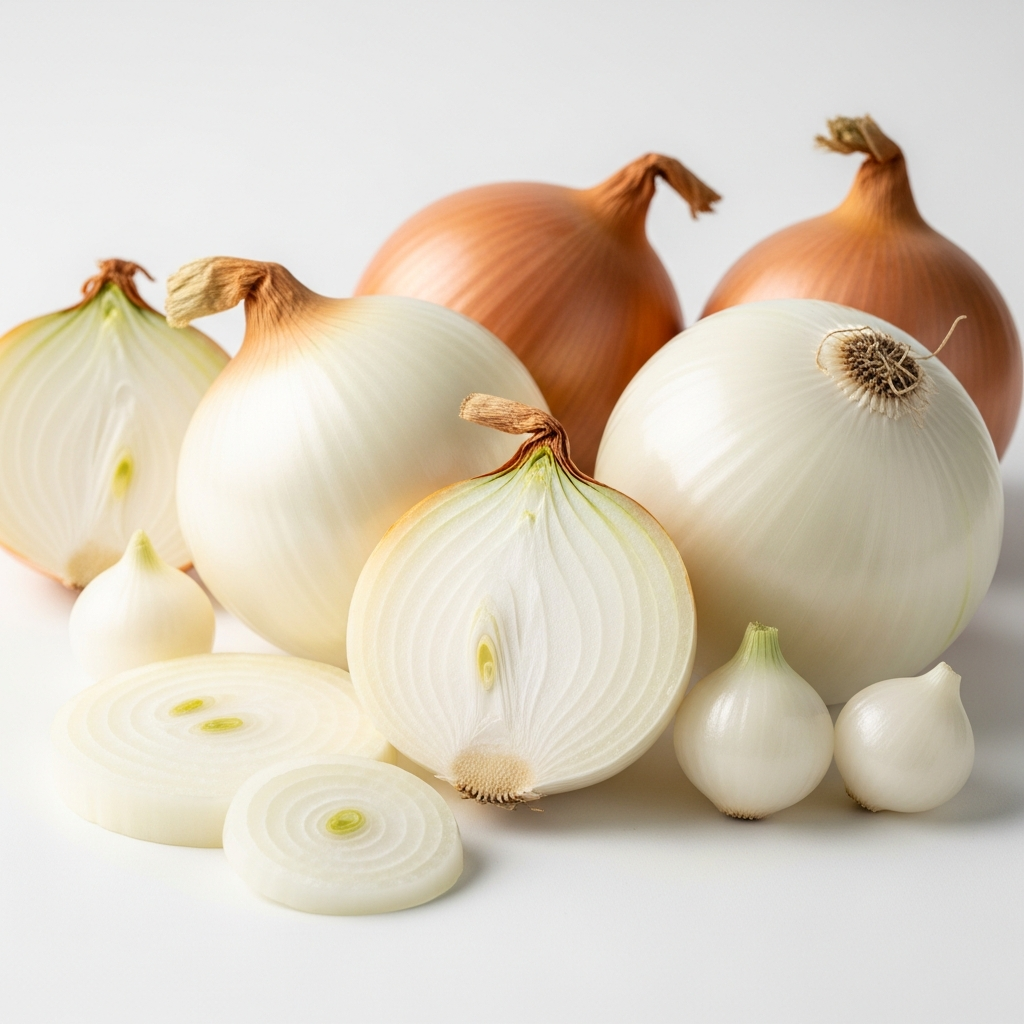
Onions — guinea pigs.
The primary culprits in onions are organosulfur compounds — particularly n-propyl disulfide and thiosulfates — that are present throughout the Allium family. When ingested, these compounds undergo metabolic conversion in the gut and bloodstream, ultimately attaching to hemoglobin molecules inside red blood cells. This oxidative damage causes the hemoglobin to denature and clump into structures called Heinz bodies, which are visible on blood smears. The spleen then identifies these damaged cells as abnormal and destroys them faster than the bone marrow can replace them. The result is hemolytic anemia — a genuine internal crisis for a small animal already working with a limited blood volume.
Guinea pigs are especially vulnerable compared to dogs or even cats because of their relatively low body weight and their limited antioxidant enzyme capacity (particularly reduced glutathione reserves). A portion that might cause only mild gastrointestinal upset in a larger animal can push a guinea pig's system into a dangerous anemic state. Onion powder and dried flakes are actually more hazardous by weight than fresh onion — roughly 5-fold more concentrated — so processed foods containing onion flavoring are equally off-limits. Cooking does not neutralize the toxic organosulfur compounds; roasted, boiled, and sautéed onion retain full toxicity.
Onions, garlic, leeks, chives, and shallots all share the same toxic mechanism. If your guinea pig has nibbled any of these, contact a vet promptly — do not wait for symptoms to appear.
Symptoms & progression
- Lethargy and reduced activity
- Loss of appetite
- Drooling or pawing at the mouth
- Mild abdominal discomfort
- Pale or white gums (mucous membranes)
- Rapid, shallow breathing
- Weakness and inability to stand
- Rapid heart rate (tachycardia)
- Yellowing of skin or eyes (icterus/jaundice)
- Collapse
- Brown or dark red urine (hemoglobinuria)
- Hypothermia
- Unresponsiveness
Dose & severity
There is no safe quantity of onion for guinea pigs. The table below illustrates escalating risk by estimated ingested amount relative to a typical adult guinea pig body weight of approximately 900–1,100 g.
What to do if your guinea pig has eaten onion
-
1
Do not wait for symptoms. Hemolytic anemia can progress silently for 12–24 hours before outward signs appear. Early intervention dramatically improves the prognosis.
-
2
Call your vet or an emergency exotic animal clinic immediately. Tell them the approximate amount ingested, the form (raw, cooked, powdered), and when it happened. Guinea pigs require an exotic or small-mammal veterinarian — not all general practices are equipped to treat them.
-
3
Note the exact product. If your guinea pig consumed a commercial food, pellet, or treat containing onion or garlic flavoring, bring the packaging so the vet can estimate the dose of organosulfur compounds.
-
4
Keep your guinea pig warm and calm. Stress worsens anemia. Wrap the animal loosely in a soft cloth and minimize handling during transport to reduce oxygen demand.
-
5
At the clinic: expect blood work and supportive care. The vet will likely run a CBC to assess red blood cell count and look for Heinz bodies on a blood smear. Treatment typically includes IV or subcutaneous fluids, supplemental oxygen, and in severe cases, a blood transfusion. There is no specific antidote.
-
6
Do not induce vomiting. Guinea pigs are anatomically incapable of vomiting; attempting to induce it will cause harm. Never give any home remedies without direct veterinary guidance.
Safe alternatives
There are plenty of colorful, nutrient-rich vegetables that guinea pigs genuinely thrive on — try these safe options instead.
Exceptionally high in vitamin C, which guinea pigs cannot synthesize themselves; a daily staple that supports immune function and prevents scurvy
Hydrating, low in oxalates, and well-tolerated in generous daily portions; provides fiber and beta-carotene
Very high water content keeps guinea pigs hydrated; mild flavor is almost universally accepted even by picky eaters
Soft texture, low sugar, and a good source of potassium; suitable as a daily addition to the vegetable mix
A good vitamin C and folate source; offer in moderate amounts (a few sprigs daily) as high calcium content makes large quantities unsuitable
Frequently asked questions
My guinea pig only licked a small piece of onion — is that enough to cause harm?
Are cooked or pickled onions safer than raw onions for guinea pigs?
Does this apply to other allium vegetables like garlic, chives, and leeks?
How quickly would I see symptoms if my guinea pig ate onion?
Are guinea pigs more sensitive to onion toxicity than dogs or cats?
Sources & references
- ASPCA Animal Poison Control Center — Allium species toxicity in small mammals (aspca.org/apcc)
- Merck Veterinary Manual — Onion and Garlic Poisoning: Pathophysiology and Species Susceptibility
- Gfeller R.W. & Messonnier S.P. — Handbook of Small Animal Toxicology and Poisonings, 2nd ed., Mosby
- Cope R.B. — 'Allium species poisoning in dogs and cats', Veterinary Medicine, 2005

About the author: Dra. Carmen Ortega
Diplomate of veterinary nutrition focused on species-appropriate diets and preventative feeding, and lead author of our dietary guidance.
View full profile