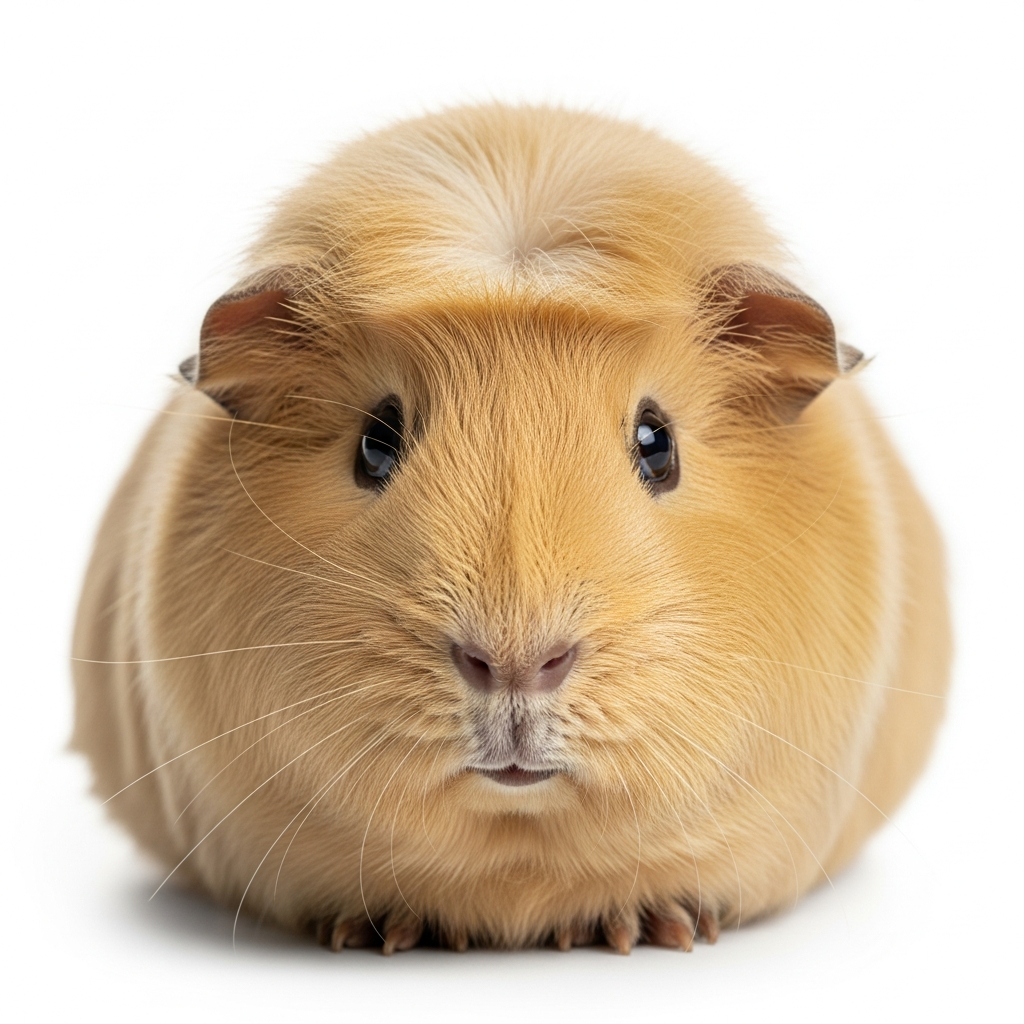
Guinea Pigs
Guinea pigs cannot synthesize their own vitamin C and are obligate herbivores, so diet must be high-fiber, low-sugar, and vitamin-C rich.
1 pokarmów zrecenzowanych dla guinea pigs
Profil toksykologiczny
Vitamin C Dependency
Guinea pigs lack L-gulonolactone oxidase and cannot synthesize ascorbic acid. Without 10–30 mg/day from food, scurvy develops within 2–3 weeks — causing hemorrhaging joints, loose teeth, and immune collapse.
Oxalate & Kidney Stone Risk
High-oxalate foods (spinach, parsley, beet greens, rhubarb) bind calcium in the urinary tract. Chronic feeding creates painful kidney and bladder stones that can be life-threatening.
Cecal Microbiome Fragility
Alliums, onions, and many essential oils act as antimicrobials inside the cecum, decimating the bacterial colonies guinea pigs need for fermentation and nutrient extraction, causing fatal enteritis.
Najbardziej zagrożone układy
Najgroźniejsze pokarmy
Wszystkie 1 zrecenzowanych pokarmów
Werdykt bezpieczeństwa
Kategoria pokarmu
Wyświetlanie 0 z 1 pokarmów
Wyczyść filtryŻaden pokarm nie pasuje do Twoich filtrów
Spróbuj zmienić werdykt, kategorię lub frazę wyszukiwania, aby znaleźć to, czego szukasz.
Resetuj wszystkie filtry