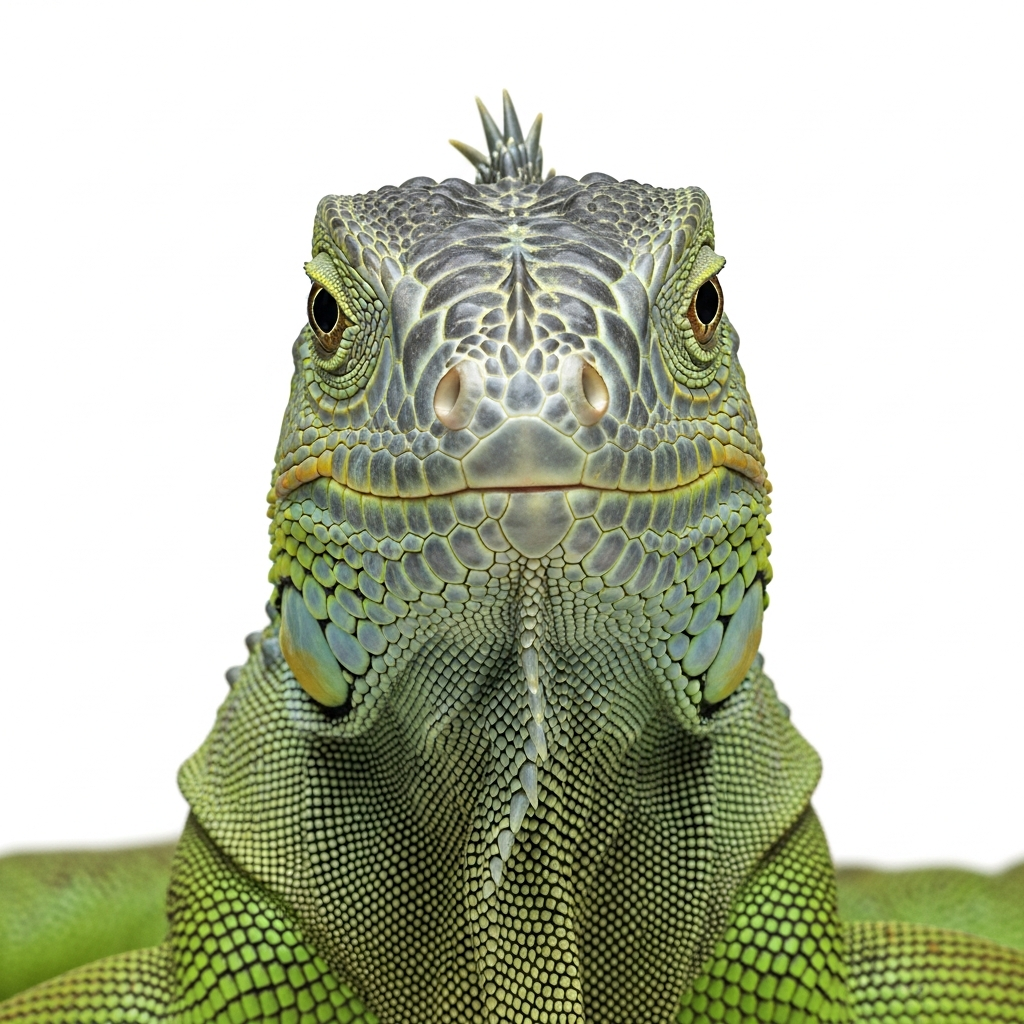
Reptilien
Reptiliendiäten variieren stark je nach Art; das Kalzium-Phosphor-Verhältnis und die Oxalat-/Goitrogen-Belastung sind die wichtigsten Sicherheitsfragen für pflanzenfressende Reptilien.
6 Lebensmittel für Reptilien geprüft
Toxikologie-Profil
Kalzium-Phosphor-Ungleichgewicht
Ein Ca:P-Verhältnis unter 1:1 in der Nahrung löst die metabolische Knochenkrankheit (MBD) aus. Phosphorreiche Lebensmittel (Hülsenfrüchte, Getreide, Fleisch bei Pflanzenfressern) bewirken, dass die Nebenschilddrüse Kalzium aus den Knochen löst, was zu Frakturen und Lähmung führt.
Goitrogen-Anreicherung
Kreuzblütler — Grünkohl, Kohl, Brokkoli, Pak Choi — enthalten Goitrogene, die bei wiederholter Fütterung die Jodaufnahme blockieren und die Schilddrüsenfunktion unterdrücken, was Lethargie, Gewichtsverlust und Kropf verursacht.
Oxalat-Bindung
Spinat, Rote-Bete-Blätter und Mangold sind reich an Oxalsäure, die das von Reptilien aus der Nahrung aufgenommene Kalzium bindet. Dauerhafte Fütterung erhöht das Risiko einer Knochenkrankheit, selbst wenn das Ca:P-Verhältnis ausreichend erscheint.
Am stärksten gefährdete Systeme
Gefährlichste Lebensmittel
Alle 6 geprüften Lebensmittel
Lebensmittelkategorie
6 von 6 Lebensmitteln werden angezeigt
Honig
Honig ist für Reptilien kein geeignetes Futtermittel und sollte allenfalls in winzigen Mengen und sehr selten angeboten werden. Der hohe Zucker- und Fruktosegehalt überfordert den Verdauungstrakt der meisten Reptilienarten erheblich. Bei größeren Mengen drohen gastrointestinale Störungen und langfristig metabolische Probleme.
Brot
Brot ist für Reptilien kein geeignetes Futter und sollte grundsätzlich gemieden werden. Die enthaltenen verarbeiteten Kohlenhydrate, Gluten, Salz und Hefe entsprechen in keiner Weise den natürlichen Ernährungsbedürfnissen von Eidechsen, Schlangen oder Schildkröten. Chronischer Kontakt kann zu Verdauungsstörungen, Übergewicht und ernährungsbedingten Erkrankungen führen.
Spinat
Spinat ist für pflanzenfressende Reptilien nicht giftig, aber reich an Oxalaten, die Kalzium binden. Zu häufig gefüttert kann er zu metabolischer Knochenerkrankung beitragen, daher nur gelegentlich anbieten.
Kiwi
Kiwi ist für Reptilien nicht akut giftig, sollte aber wegen ihres hohen Zucker- und Oxalsäuregehalts nur äußerst selten und in winzigen Mengen angeboten werden. Für viele Reptilienarten – insbesondere Bartagamen und Schildkröten – ist der regelmäßige Verzehr problematisch und kann langfristig Stoffwechselprobleme verursachen. Ein gelegentlicher, kleiner Happen ist bei robusten Omnivoren vertretbar, keinesfalls aber Bestandteil der Basiskost.
Hafer
Hafer ist für Reptilien nicht giftig im klassischen Sinne, passt jedoch ernährungsphysiologisch kaum in den Speiseplan dieser Tiere. Regelmäßige Fütterung kann das empfindliche Verdauungssystem überlasten und zu Magen-Darm-Beschwerden führen. Einzelne, sehr kleine Mengen bei pflanzenfressenden Arten sind tolerierbar, sollten aber zur Ausnahme bleiben.
Süßkartoffel
Süßkartoffeln sind für die meisten Reptilien eine unbedenkliche und nährstoffreiche Ergänzung des Speiseplans. Gekocht und in angemessenen Mengen angeboten, liefern sie wertvolle Vitamine und Ballaststoffe ohne toxische Wirkung. Lediglich übermäßige Fütterung kann zu Verdauungsproblemen führen.