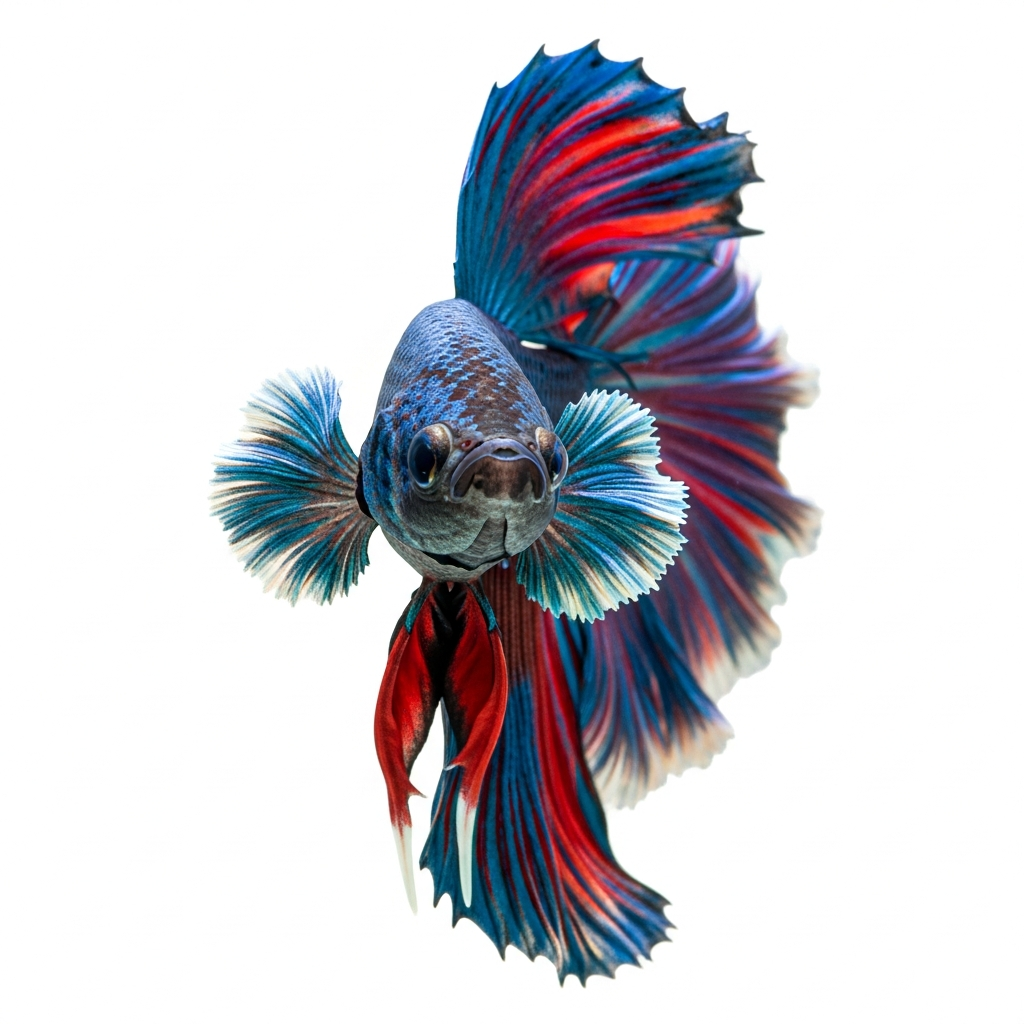
Fish

Can Fish eat ...?
Food safety index

In-depth toxicity profiles, safe preparation protocols, and nutritional analysis for feeding Fish. Continuously reviewed by veterinary toxicologists.

Peer-reviewed Evidence-based Live updates
All
A B C D E F G H I J K L M N O P Q R S T U V W X Y Z
Showing 7 verified entries
Sort:

Peanuts

Caution Nuts & Seeds

Peanuts are not acutely toxic to fish, but they pose meaningful practical risks — including mold contamination, high fat content, and ingredients in processed forms that can harm aquatic animals. Plain, unsalted, aflatoxin-free peanuts in tiny quantities are unlikely to cause immediate harm, but they offer no nutritional benefit suited to fish and should generally be avoided in favor of species-appropriate foods. Aquarists should treat peanuts as a food of caution rather than a safe dietary staple.

Clinical note: Aflatoxin-contaminated or salted peanuts can be acutely hepatotoxic and osmotically stressful in fish.
Toxicity index 35/100
Profile

Bread

Caution Grains

Plain, unflavored bread is not acutely toxic to aquarium and pond fish, but it offers virtually no nutritional value and poses real risks from water quality degradation, digestive disruption, and potential harmful additives. Small, infrequent amounts of plain white bread are unlikely to kill a fish outright, but regular feeding is genuinely harmful. Owners should treat bread as an accidental or very rare treat at most, not a dietary staple.

Clinical note: Low acute toxicity; significant chronic risk via poor nutrition, bloat, and ammonia spikes.
Toxicity index 22/100
Profile

Pears

Safe Fruits

Fresh pear flesh is safe for most aquarium and pond fish in small quantities, provided the core, seeds, and skin are removed first. Pear seeds contain amygdalin, a cyanogenic glycoside, but the real concern for fish is water quality rather than direct toxicity. Overfeeding any soft fruit can foul the tank rapidly, so moderation and prompt removal of uneaten pieces are essential.

Clinical note: Safe fruit treat; seeds must be removed; monitor water quality closely.
Toxicity index 8/100
Profile

Peas

Safe Vegetables

Shelled, cooked peas are a safe and useful food for many aquarium fish. They are a classic home remedy for constipation and swim-bladder issues in goldfish and bettas.

Clinical note: Fibre-rich; aids digestion and swim-bladder relief. Remove the skin, cook and feed sparingly.
Toxicity index 6/100
Profile

Oats

Safe Grains

Plain, cooked oats are generally safe for most aquarium and pond fish in very small amounts as an occasional supplement. Oats contain no compounds inherently toxic to fish, and the beta-glucan fiber can even support digestive health when used sparingly. The main risks are practical — overfeeding, water fouling, and displacement of a nutritionally complete staple diet.

Clinical note: No known ichthyotoxic compounds; risk is nutritional imbalance and water quality degradation.
Toxicity index 5/100
Profile

Sweet Potato

Safe Vegetables

Sweet potato is a nutritious, low-risk food that can be offered to many omnivorous and herbivorous fish in small, well-prepared portions. It contains no compounds known to be acutely toxic to fish, and its fiber, vitamins, and antioxidants can complement a balanced diet. Overfeeding any starchy vegetable, however, can foul tank water and contribute to digestive imbalance.

Clinical note: Non-toxic vegetable; water quality risk with overfeeding
Toxicity index 5/100
Profile

Watermelon

Safe Fruits

Plain watermelon flesh is generally safe for aquarium and pond fish in small amounts as an occasional treat. It poses no significant toxicological risk, though the high water and sugar content means overfeeding can foul tank water and cause digestive upset. Seeds and rind should always be removed before offering watermelon to fish.

Clinical note: Low-risk treat; primary concern is water quality degradation from overfeeding, not direct toxicity.
Toxicity index 5/100
Profile