Can Rabbits eat Salmon?

Never feed salmon to rabbits — it is genuinely toxic to their system
Rabbits are obligate herbivores whose entire digestive tract, from their caecum to their hindgut fermentation system, is designed exclusively for plant material. Salmon introduces animal protein, marine lipids, histamine, and high sodium, none of which a rabbit's metabolism can handle safely. Even a small bite can disrupt the delicate bacterial ecosystem of the caecum, precipitating fatal GI stasis or enterotoxaemia. Unlike cats or dogs, rabbits have no metabolic pathway to safely catabolise the levels of purines and lipids found in oily fish.
Immediate Action Required
If your rabbit has eaten Salmon, do not wait for symptoms to appear. Prompt veterinary intervention can prevent serious harm.
Why is salmon so dangerous for rabbits?
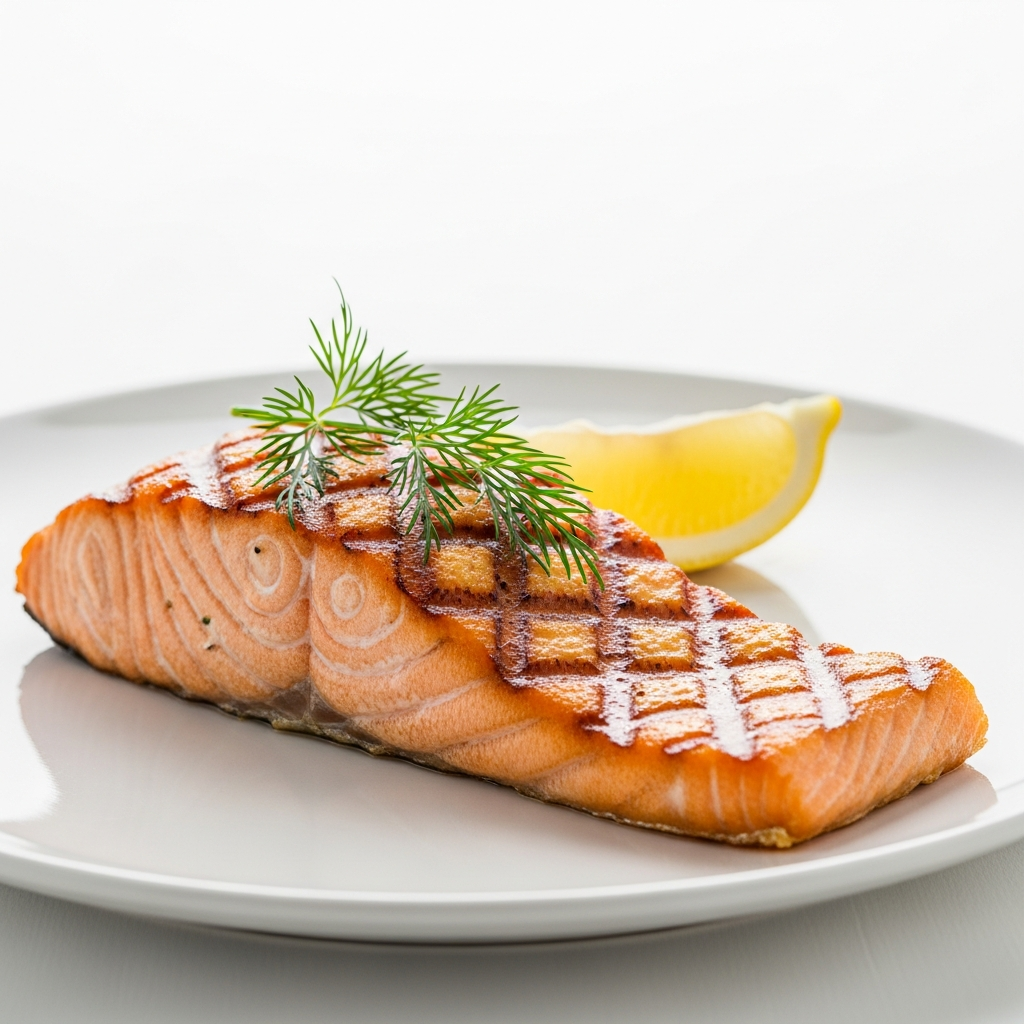
Salmon — rabbits.
A rabbit's digestive system is among the most specialised in the mammalian world. The caecum — a large fermentation chamber — houses billions of beneficial bacteria that break down fibrous plant matter and synthesise essential B vitamins. Introducing animal protein like salmon floods this environment with substrates that the caecal microbiome cannot ferment normally. The result is rapid bacterial overgrowth by pathogenic species, particularly Clostridium spp., which release endotoxins that can cause fatal enterotoxaemia within hours. This is not a theoretical risk; even small dietary deviations from plant-based food are well-documented triggers of caecal dysbiosis in rabbits.
Beyond the gut disruption, salmon carries several additional hazards specific to rabbits. Raw salmon frequently contains thiaminase, an enzyme that degrades thiamine (vitamin B1), potentially causing neurological signs. Oily fish like salmon are naturally high in histamine, particularly when not fresh, and rabbits appear to be sensitive to histamine-mediated reactions. The sodium content of any seasoned or smoked salmon product is dangerously high for an animal whose kidneys are adapted to processing a very low-sodium herbivorous diet. Finally, the high purine load from fish muscle tissue places an unusual burden on rabbit kidneys, which are not equipped to excrete uric acid in the quantities produced by metabolising animal protein. Collectively, these factors make salmon one of the most inappropriate foods a rabbit owner could offer.
Rabbit owners sometimes assume a tiny piece of fish is harmless. In this species, even a fragment of salmon can destabilise the caecal microbiome — the consequences can escalate to fatal GI stasis or enterotoxaemia within hours.
Symptoms & progression
- Sudden cessation of faecal output (GI stasis)
- Soft or liquid caecotropes
- Abdominal bloating and pain
- Tooth-grinding (bruxism) from discomfort
- Complete loss of appetite (anorexia)
- Lethargy and collapse
- Head tilt or circling (thiamine deficiency)
- Seizures in severe thiaminase toxicity
- Rapid, shallow breathing
- Increased or decreased urination
- Hunched posture indicating abdominal pain
- Dehydration and sunken eyes
Dose & severity
There is no threshold below which salmon can be considered safe for a rabbit. The table below reflects risk by exposure level, not a feeding guide.
What to do if your rabbit has eaten salmon
-
1
Do not wait for symptoms. GI stasis and enterotoxaemia can develop rapidly and become fatal before obvious distress is visible. Contact an exotic or rabbit-savvy veterinarian immediately, even if your rabbit seems fine right now.
-
2
Note the amount and type consumed. Try to estimate how much salmon was eaten and whether it was raw, cooked, smoked, or seasoned. Smoked or salted salmon dramatically raises the sodium danger. Pass this information to your vet.
-
3
Encourage hay and water intake. While arranging veterinary care, ensure unlimited fresh timothy hay and water are available. Dietary fibre is the single most important factor supporting caecal motility; keeping the gut moving can reduce the severity of dysbiosis.
-
4
Do not induce vomiting. Rabbits are physically incapable of vomiting; attempting to induce emesis causes unnecessary stress and can worsen the situation. Only a vet can intervene safely.
-
5
Follow the vet's protocol. Treatment will likely include gut motility support (e.g. syringe feeding critical care formula, metoclopramide), IV or subcutaneous fluids, pain management, and in dysbiosis cases, careful probiotic reintroduction. Early intervention dramatically improves outcomes.
Safe alternatives
Rabbits thrive on a plant-based diet rich in fibre, leafy greens, and select vegetables — here are excellent protein-and-nutrient sources that are both safe and beneficial.
The cornerstone of every rabbit's diet; provides essential fibre to sustain caecal fermentation and prevent stasis — should make up 80–85% of total intake.
Supply plant-sourced amino acids, vitamins A, C and K, and antioxidants without any of the risks associated with animal protein.
Nutritionally dense and naturally appealing to rabbits; excellent for enrichment and variety within a safe dietary framework.
Formulated specifically for obligate herbivore physiology; provide balanced trace minerals and vitamins — feed in measured, age-appropriate amounts alongside unlimited hay.
Frequently asked questions
My rabbit nibbled a tiny flake of cooked salmon — will it definitely become sick?
Why can cats and dogs eat salmon but rabbits absolutely cannot?
Are there any fish products that are safe for rabbits, such as fish oil supplements?
Sources & references
- ASPCA Animal Poison Control Center — Herbivore dietary incompatibilities and GI toxicology guidelines
- Merck Veterinary Manual — Rabbit nutrition, caecal physiology, and enterotoxaemia (Clostridium spp.)
- Varga M. Textbook of Rabbit Medicine, 2nd ed. Elsevier, 2014 — Chapters on dietary management and GI disease
- Harcourt-Brown F. Textbook of Rabbit Medicine. Butterworth-Heinemann, 2002 — Caecal dysbiosis and dietary aetiology

About the author: Dra. Carmen Ortega
Diplomate of veterinary nutrition focused on species-appropriate diets and preventative feeding, and lead author of our dietary guidance.
View full profile