


Know exactly what's safe for your pet.
Clinical database of veterinarian-reviewed food safety entries for 10 species. Reviewed by veterinary toxicologists.

Verified database
67
clinical food entries

Chocolate
Toxic to dogs
67
Foods analyzed
across 8 categories
10
Species covered
From dogs to ferrets
258
Sources cited
Peer-reviewed
12
Languages
Native, veterinarian-reviewed
10 species · Complete coverage
Browse by species
Every animal metabolizes food differently. A harmless treat for a dog can be deadly for a bird.
Dogs
7 Foods

Cats
7 Foods
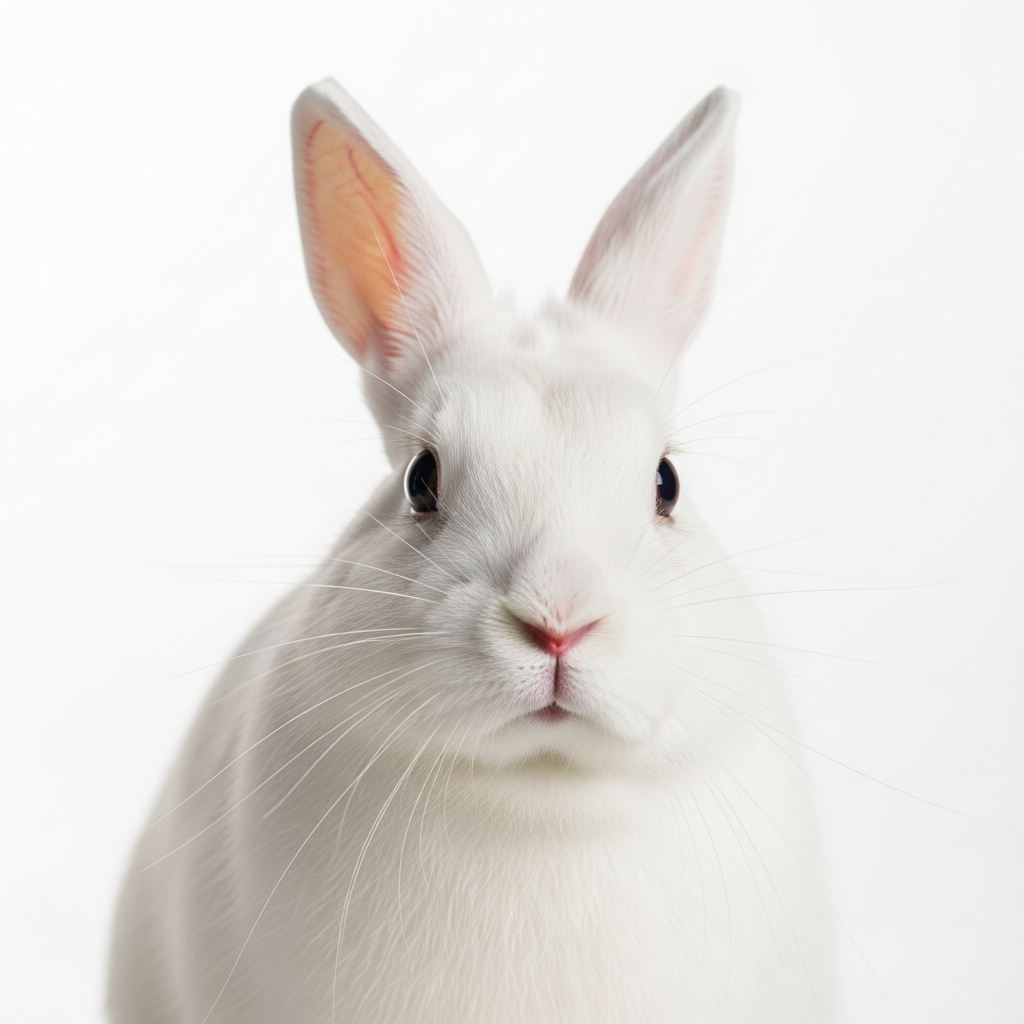
Rabbits
9 Foods
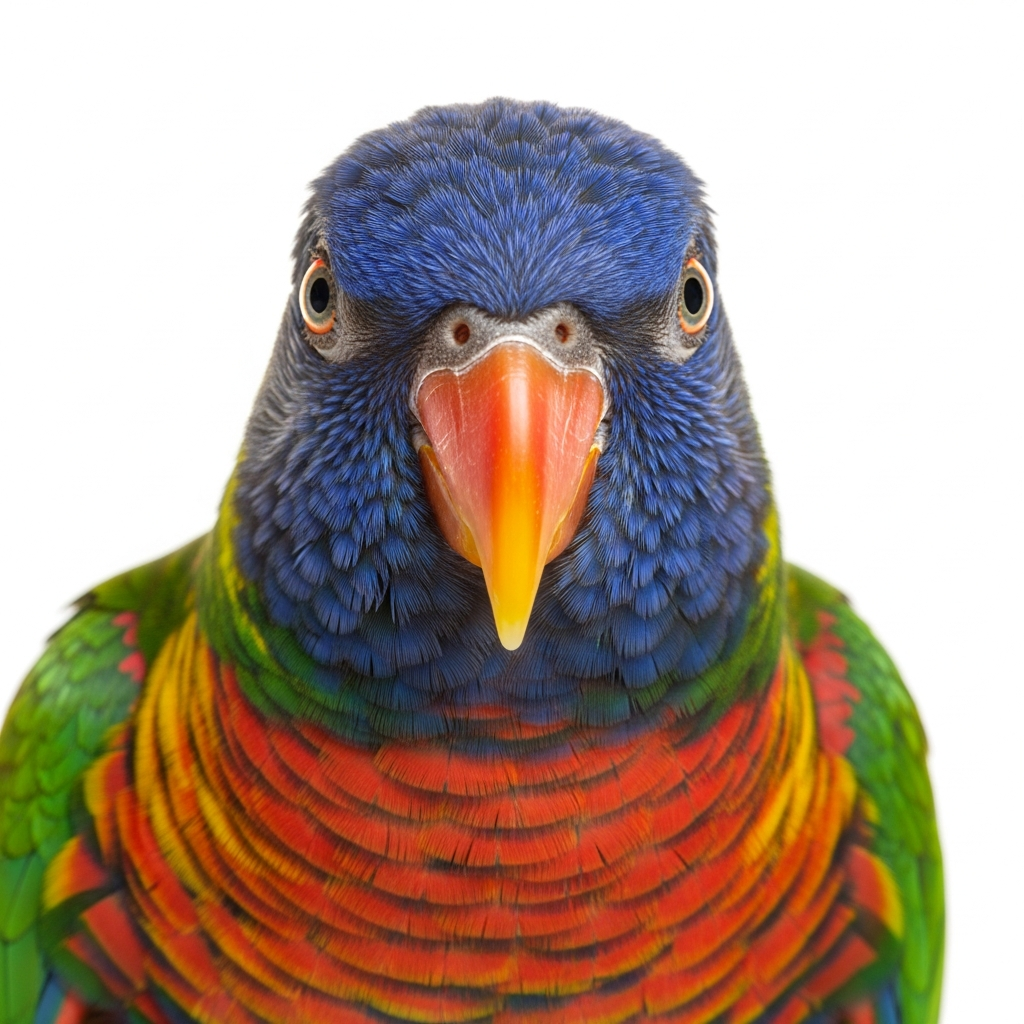
Birds
6 Foods

Hamsters
6 Foods

Guinea Pigs
8 Foods
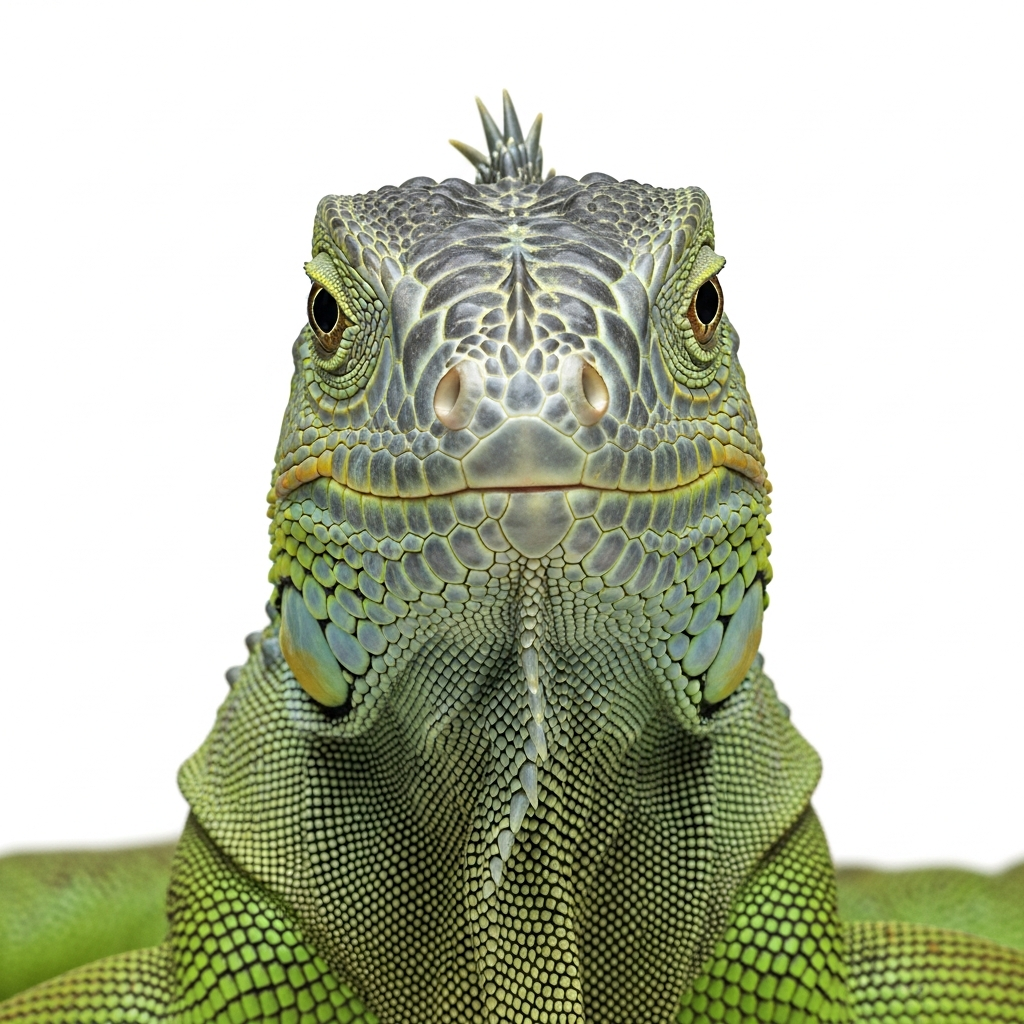
Reptiles
6 Foods

Horses
5 Foods
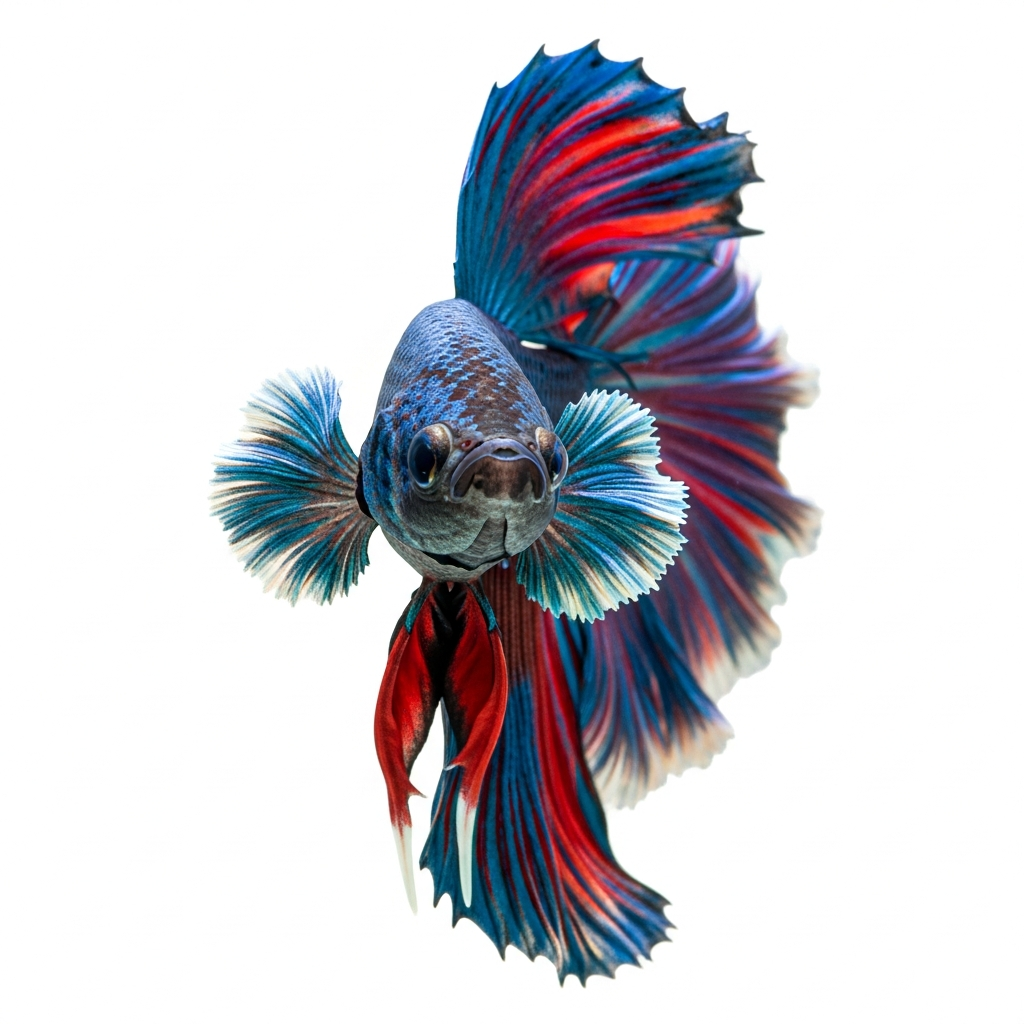
Fish
7 Foods

Ferrets
6 Foods
Latest clinical updates
Continuously reviewed by our toxicology advisory board.

Parsley
Caution FerretsParsley is not acutely toxic to ferrets in the way chocolate or grapes are to dogs, but it poses meaningful risks that make routine feeding inadvisable. The herb contains furocoumarins and a relatively high oxalate load, and ferrets' obligate-carnivore digestive systems are genuinely ill-equipped to handle plant matter. Small, infrequent nibbles are unlikely to cause a crisis, but parsley should not be offered as a regular treat or dietary supplement.
Cinnamon
Caution CatsCinnamon is not acutely lethal to cats in the tiny amounts found in household foods, but it is not a safe or appropriate addition to a cat's diet. The spice contains cinnamaldehyde and coumarin compounds that can irritate mucous membranes, trigger allergic skin reactions, and cause liver stress with repeated or concentrated exposure. Owners should keep cinnamon sticks, powders, and especially cinnamon essential oil well away from their cats.
Watermelon
Safe FishPlain watermelon flesh is generally safe for aquarium and pond fish in small amounts as an occasional treat. It poses no significant toxicological risk, though the high water and sugar content means overfeeding can foul tank water and cause digestive upset. Seeds and rind should always be removed before offering watermelon to fish.
Macadamia Nuts
Toxic CatsMacadamia nuts are considered toxic to pets, though the specific toxicological mechanism remains unidentified. While most documented severe cases involve dogs, cats share enough physiological similarity that veterinary authorities advise treating macadamia nuts as a genuine hazard for cats as well. Keeping these nuts entirely out of a cat's diet is the safest and most defensible course of action.
Sweet Potato
Safe ReptilesSweet potato is a nutritious, reptile-friendly vegetable that can be offered regularly to herbivorous and omnivorous species. Its high beta-carotene, vitamin C, and fiber content make it a genuinely valuable dietary component when fed appropriately. Overfeeding can cause loose stools and excess sugar intake, but there is no meaningful toxicity concern.
Cucumber
Safe DogsCucumbers are one of the safest vegetables you can share with your dog — low in calories, high in water content, and free of any known canine toxins. Even larger amounts are unlikely to cause anything more serious than mild digestive upset. They make an excellent crunchy treat, especially for dogs that need to watch their weight.
Evidence-based.
Clinically reviewed.
Every food profile undergoes a rigorous, multi-stage review process grounded in peer-reviewed veterinary toxicology literature — not internet opinions.
- ASPCA Animal Poison Control Center
- American Veterinary Medical Assoc.
- Merck Veterinary Manual
- Journal of Vet Emergency

Meet our expert advisory board
Written and reviewed by licensed veterinarians, certified toxicologists, and animal nutrition experts.
Dr. Sarah J. Whitaker
Chief Veterinary Toxicologist
Board-certified veterinary toxicologist with over 18 years in clinical poison response, leading our editorial review of every food-safety verdict.
View full profile
Dra. Carmen Ortega
Veterinary Nutritionist
Diplomate of veterinary nutrition focused on species-appropriate diets and preventative feeding, and lead author of our dietary guidance.
View full profile
Dr. James A. Whitfield
Emergency & Critical Care
Emergency clinician who has managed thousands of acute poisoning cases, keeping our action steps grounded in frontline practice.
View full profile
Dr. Lukas Hoffmann
Avian & Exotic Medicine
Specialist in birds and exotic pets, advising on the species whose metabolism differs most sharply from cats and dogs.
View full profile
Don't guess about their health.
Search the database.
Join millions of pet owners who rely on Database.pet for trusted, peer-reviewed food safety information.