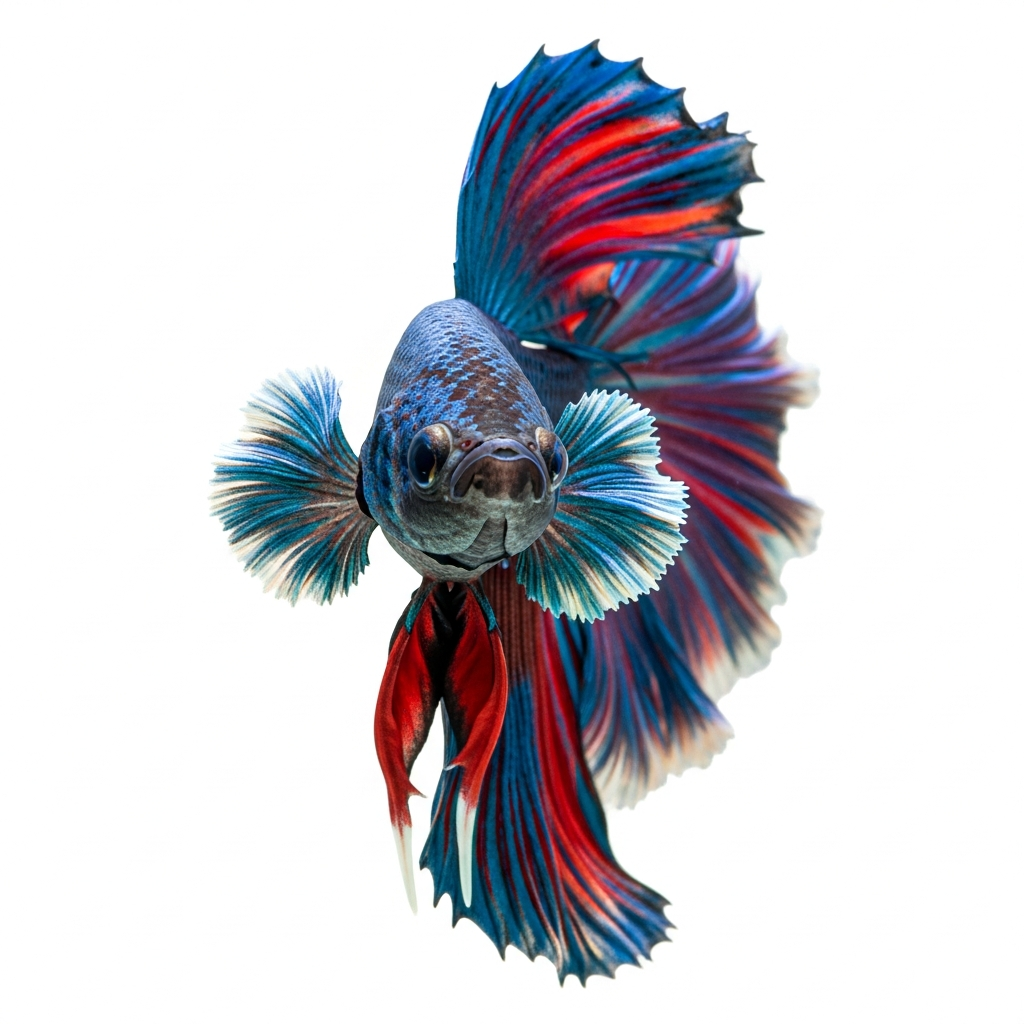
Fish
Fish need species-appropriate diets; overfeeding and fatty or starchy human foods quickly foul water and cause digestive disease.
7 foods reviewed for Fish
Toxicology Profile
Ammonia Toxicity from Decomposition
Uneaten food decomposes rapidly, producing ammonia spikes that damage gill tissue and interfere with oxygen exchange. Even brief ammonia exposure causes oxidative stress and systemic organ failure.
Hepatic Lipidosis
High-fat human foods (bread, crackers, processed snacks) cause fat deposits to accumulate in liver cells. Once hepatic lipidosis is established, it is largely irreversible and leads to chronic immune dysfunction.
Osmotic Stress from Additives
Salt, seasonings, and spices disrupt the tight osmotic balance freshwater fish maintain across their gills and skin. Even brief exposure causes fluid shifts, kidney stress, and hemorrhagic disease.
Most At-Risk Systems
Most Dangerous Foods
All 7 Reviewed Foods
Showing 2 of 7 foods
Clear FiltersPeanuts
Peanuts are not acutely toxic to fish, but they pose meaningful practical risks — including mold contamination, high fat content, and ingredients in processed forms that can harm aquatic animals. Plain, unsalted, aflatoxin-free peanuts in tiny quantities are unlikely to cause immediate harm, but they offer no nutritional benefit suited to fish and should generally be avoided in favor of species-appropriate foods. Aquarists should treat peanuts as a food of caution rather than a safe dietary staple.
Bread
Plain, unflavored bread is not acutely toxic to aquarium and pond fish, but it offers virtually no nutritional value and poses real risks from water quality degradation, digestive disruption, and potential harmful additives. Small, infrequent amounts of plain white bread are unlikely to kill a fish outright, but regular feeding is genuinely harmful. Owners should treat bread as an accidental or very rare treat at most, not a dietary staple.