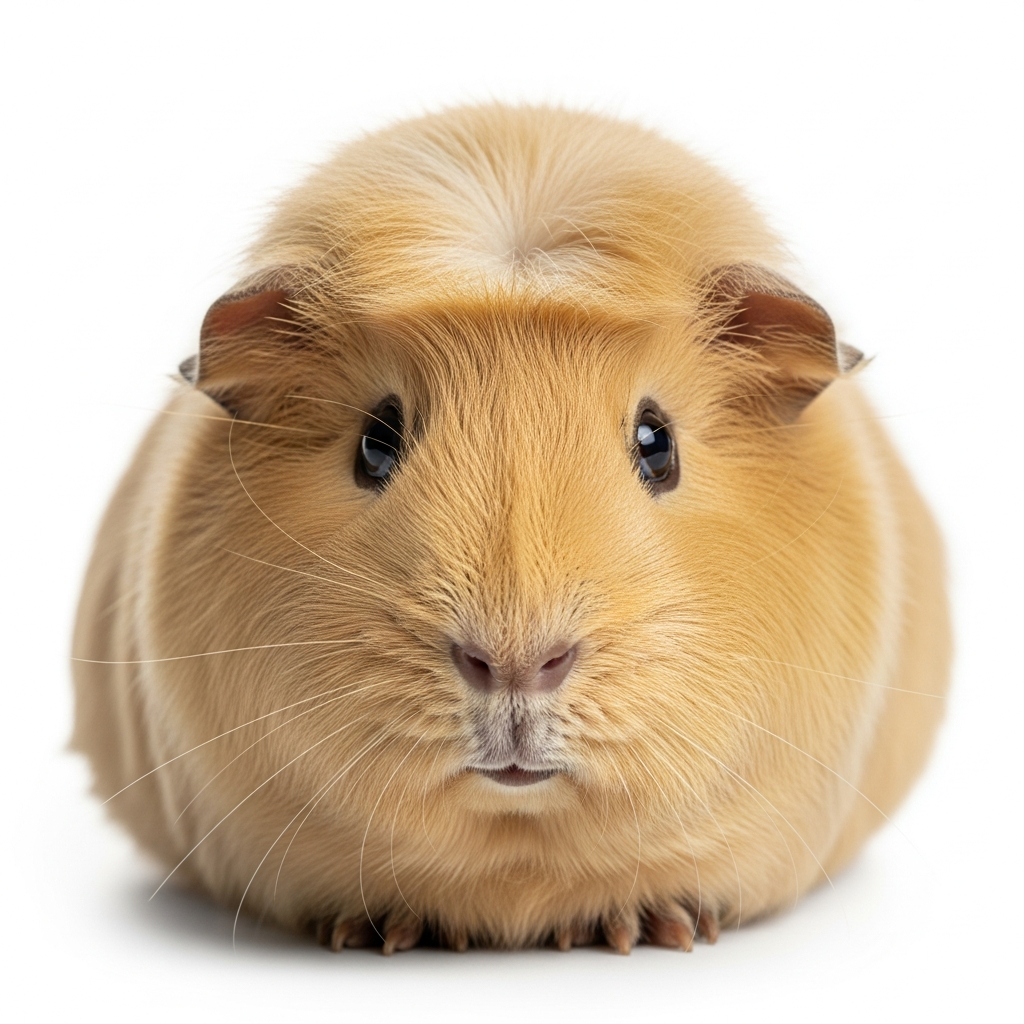
Guinea Pigs
Guinea pigs cannot synthesize their own vitamin C and are obligate herbivores, so diet must be high-fiber, low-sugar, and vitamin-C rich.
1 foods reviewed for Guinea Pigs
Toxicology Profile
Vitamin C Dependency
Guinea pigs lack L-gulonolactone oxidase and cannot synthesize ascorbic acid. Without 10–30 mg/day from food, scurvy develops within 2–3 weeks — causing hemorrhaging joints, loose teeth, and immune collapse.
Oxalate & Kidney Stone Risk
High-oxalate foods (spinach, parsley, beet greens, rhubarb) bind calcium in the urinary tract. Chronic feeding creates painful kidney and bladder stones that can be life-threatening.
Cecal Microbiome Fragility
Alliums, onions, and many essential oils act as antimicrobials inside the cecum, decimating the bacterial colonies guinea pigs need for fermentation and nutrient extraction, causing fatal enteritis.