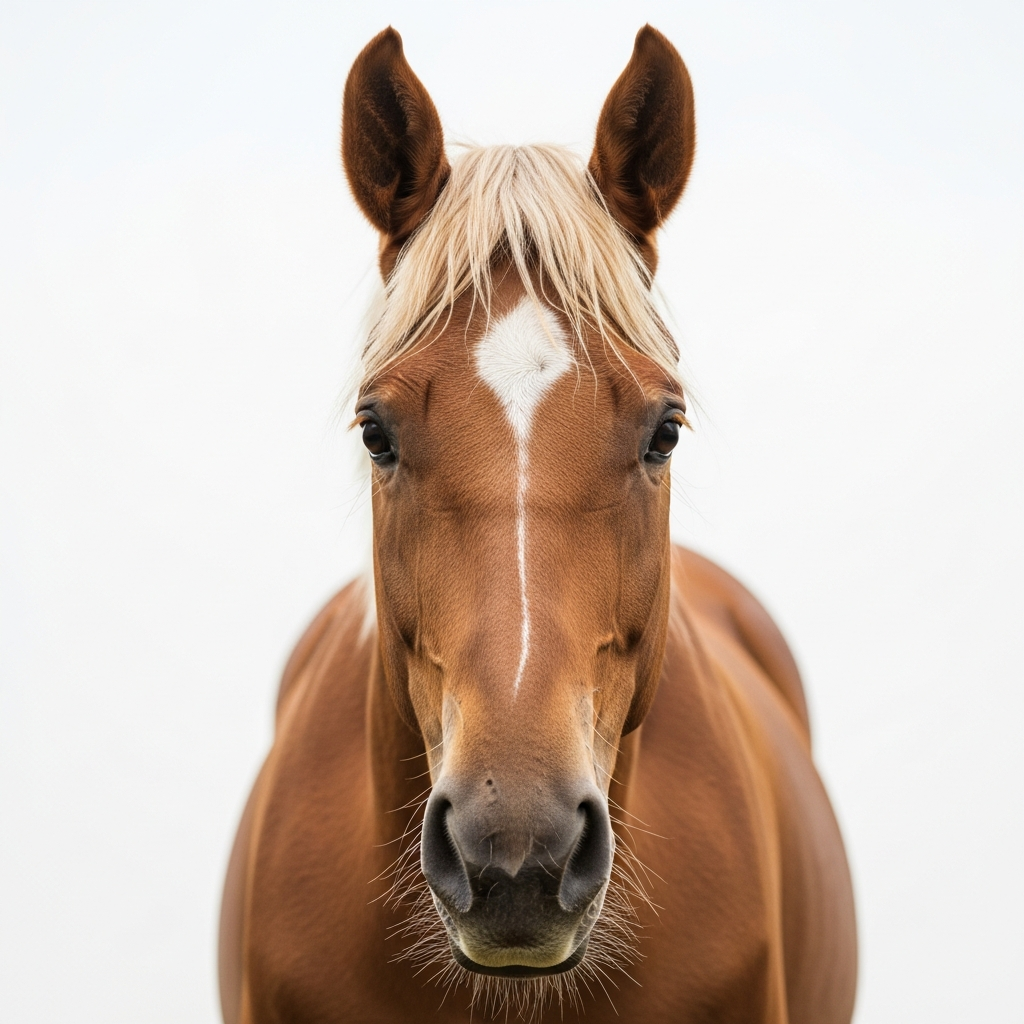
Horses
Horses are large hindgut fermenters prone to colic and laminitis; sudden sugar/starch loads and certain fruits with pits pose serious risks.
1 foods reviewed for Horses
Toxicology Profile
Hindgut Acidosis & Laminitis
Sudden sugar or starch overloads ferment in the cecum, producing lactic acid that kills beneficial bacteria, releases endotoxins, and triggers systemic inflammation. This can progress to acute laminitis — painful rotation of the coffin bone — within hours.
Cyanogenic Pit Toxicity
Stone-fruit pits (peach, plum, cherry, apricot) contain amygdalin, which gut bacteria convert to hydrogen cyanide. A single pit can release enough cyanide to cause rapid respiratory failure in a horse.
Fructan Sensitivity
Cool-season grasses accumulate fructans (fructose polymers) after cold nights or drought stress. Horses with a history of laminitis can experience acute episodes within hours of grazing on high-fructan pasture.