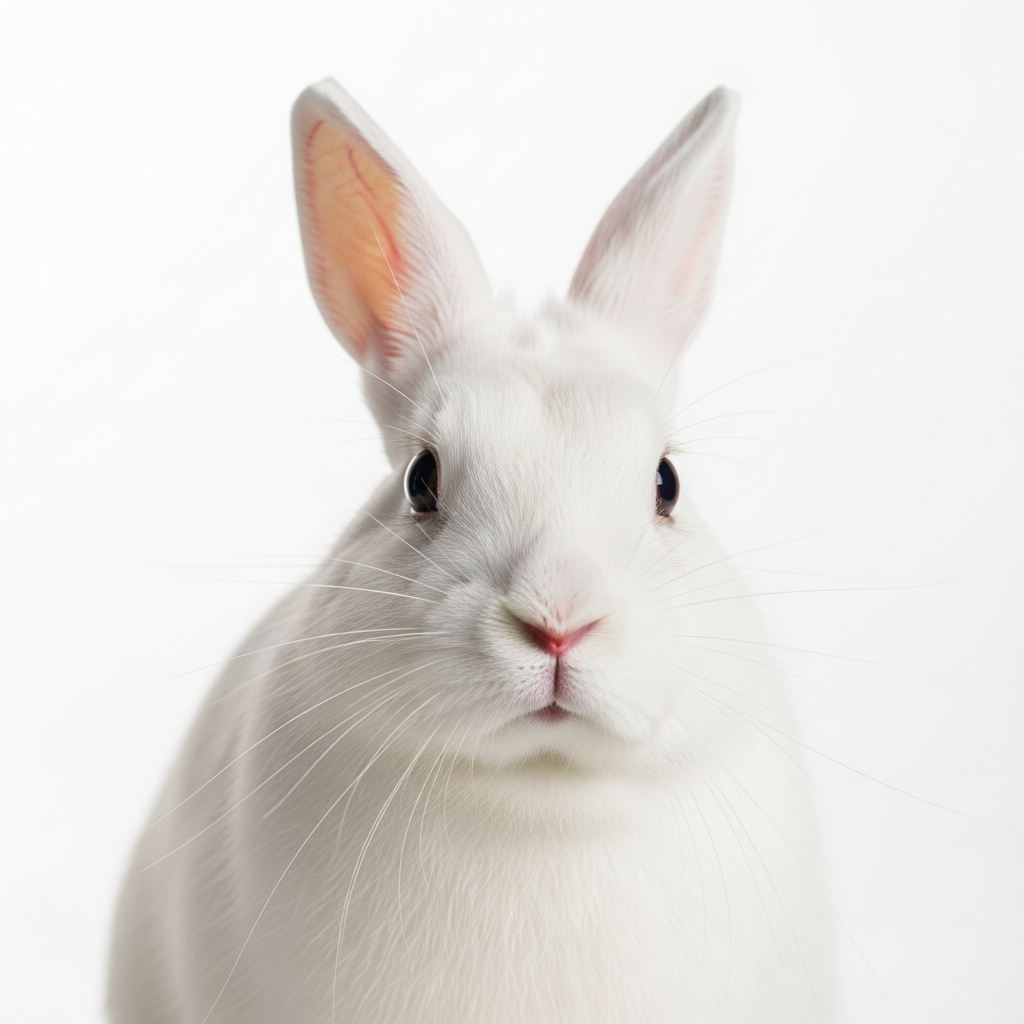
Rabbits
Rabbits are strict hindgut-fermenting herbivores; their delicate gut flora can be fatally disrupted by sugars, starches, and fats.
9 foods reviewed for Rabbits
Toxicology Profile
No Vomiting Reflex
Unlike most mammals, rabbits are anatomically incapable of vomiting. Any ingested toxin must travel the full length of the GI tract, extending exposure and increasing systemic absorption.
Gut Flora Disruption
Rabbits depend on cecal bacteria for up to 40% of their nutrition. Sugars and starches ferment rapidly in the cecum, producing gas and fatal dysbiosis (GI stasis) within hours.
Oxalate Accumulation
High-oxalate foods (spinach, beet greens, rhubarb) bind dietary calcium in the urinary tract, leading to kidney sludge and painful bladder stones with chronic feeding.
Most At-Risk Systems
Most Dangerous Foods
All 9 Reviewed Foods
Showing 2 of 9 foods
Clear FiltersSalmon
Salmon is entirely inappropriate for rabbits and should never be offered, even in tiny amounts. As strict herbivores, rabbits lack the digestive physiology to process animal protein or fish oils, and exposure can trigger life-threatening GI disturbance, hepatic stress, and dysbiosis. There is no safe dose of salmon for a rabbit.
Mealworms
Mealworms are not a suitable food for rabbits and should be considered toxic in the context of rabbit nutrition. Rabbits are strict herbivores whose digestive systems are entirely unequipped to process animal protein or insect chitin, and feeding mealworms can trigger serious gastrointestinal and metabolic complications. Even a small amount poses meaningful risk, particularly through gut dysbiosis and hepatic strain.