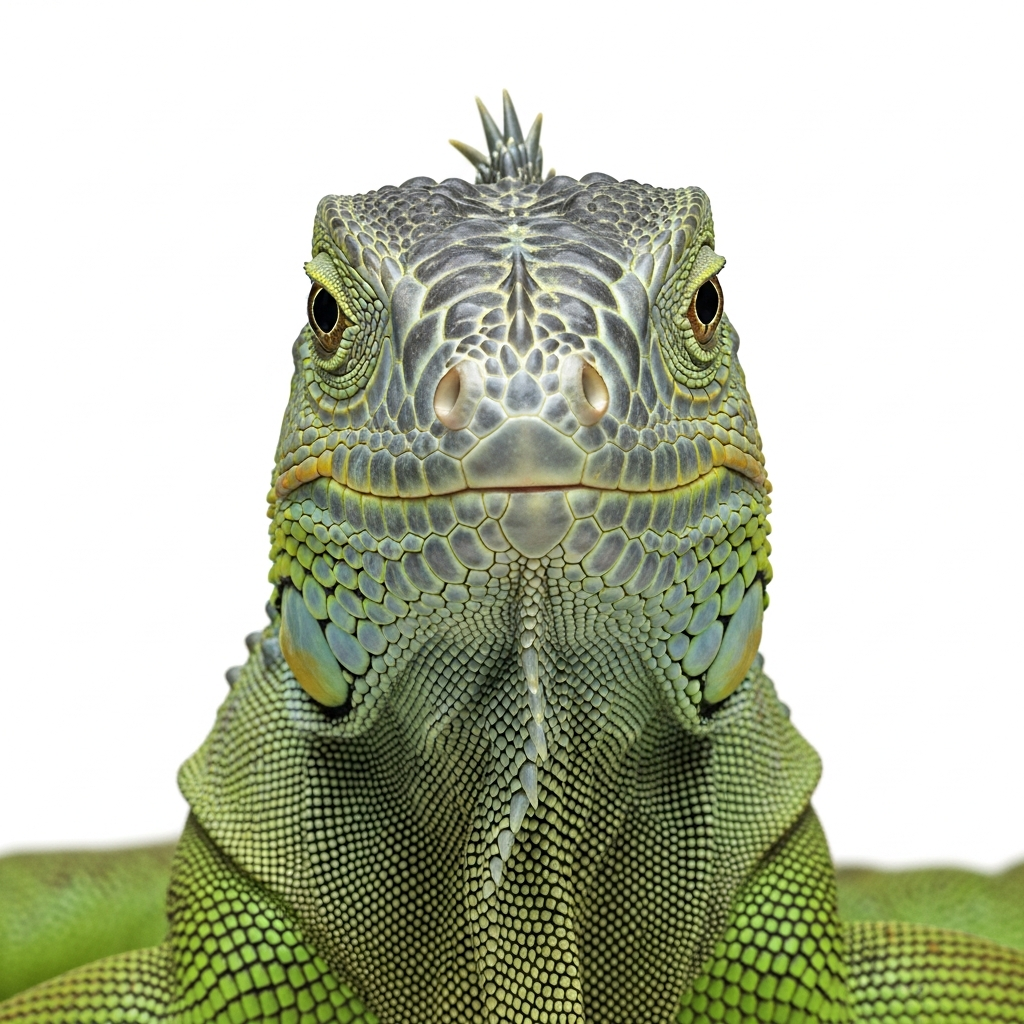
Reptiles
Reptile diets vary widely by species; calcium-to-phosphorus balance and oxalate/goitrogen load are the key safety concerns for herbivorous reptiles.
6 foods reviewed for Reptiles
Toxicology Profile
Calcium-Phosphorus Imbalance
A dietary Ca:P ratio below 1:1 triggers metabolic bone disease (MBD). High-phosphorus foods (legumes, grains, meat for herbivores) cause the parathyroid to leach calcium from bones, leading to fractures and paralysis.
Goitrogen Accumulation
Cruciferous vegetables — kale, cabbage, broccoli, bok choy — contain goitrogens that block iodine uptake and suppress thyroid function when fed repeatedly, causing lethargy, weight loss, and goiter.
Oxalate Binding
Spinach, beet greens, and Swiss chard are high in oxalic acid, which binds the calcium reptiles absorb from food. Chronic feeding compounds bone disease risk even when the Ca:P ratio appears adequate.
Most At-Risk Systems
Most Dangerous Foods
All 6 Reviewed Foods
Showing 2 of 6 foods
Clear FiltersSpinach
Spinach is not poisonous to herbivorous reptiles, but it is high in oxalates that bind calcium. Fed too often it can contribute to metabolic bone disease, so offer it only occasionally.
Sweet Potato
Sweet potato is a nutritious, reptile-friendly vegetable that can be offered regularly to herbivorous and omnivorous species. Its high beta-carotene, vitamin C, and fiber content make it a genuinely valuable dietary component when fed appropriately. Overfeeding can cause loose stools and excess sugar intake, but there is no meaningful toxicity concern.