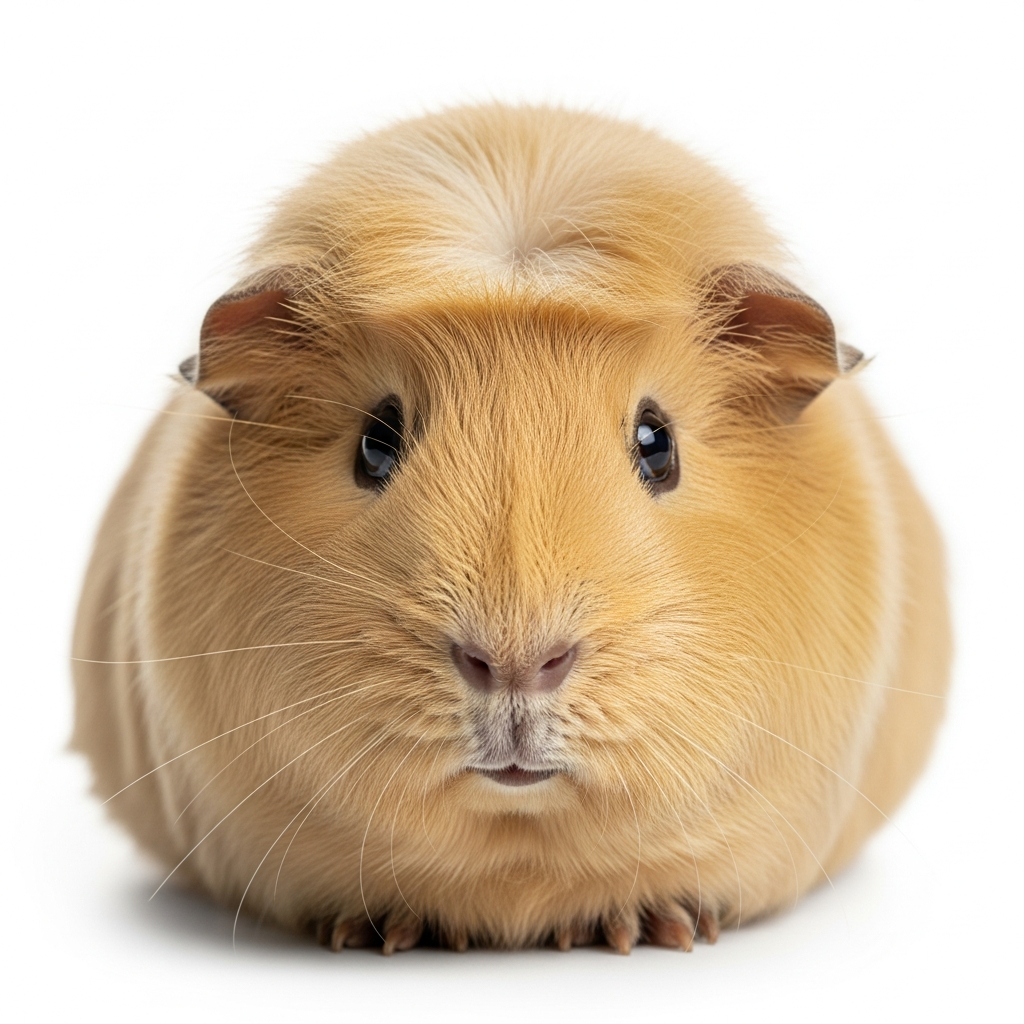
Guinea Pigs

Can Guinea Pigs eat ...?
Food safety index

In-depth toxicity profiles, safe preparation protocols, and nutritional analysis for feeding Guinea Pigs. Continuously reviewed by veterinary toxicologists.

Peer-reviewed Evidence-based Live updates
All
A B C D E F G H I J K L M N O P Q R S T U V W X Y Z
Showing 4 verified entries
Sort:

Peas

Safe Vegetables

Peas are a safe, nutritious treat for guinea pigs when offered in appropriate amounts. They provide useful vitamins — including vitamin C, which guinea pigs cannot synthesize on their own — along with plant-based protein and fiber. Overfeeding should be avoided due to the natural sugar and starch content, but moderate servings pose no meaningful health risk.

Clinical note: Generally safe vegetable; portion control advised due to sugar and starch content.
Toxicity index 8/100
Profile

Asparagus

Safe Vegetables

Asparagus is safe for guinea pigs in moderate amounts and provides useful nutrients including vitamin C, which guinea pigs cannot synthesize on their own. There are no toxic compounds in asparagus that pose a clinical risk to this species. Like any vegetable, overfeeding can cause digestive upset, so portion size matters.

Clinical note: Non-toxic vegetable; safe as an occasional supplement to a hay-based diet
Toxicity index 8/100
Profile

Bell Peppers

Safe Vegetables

Bell peppers are an excellent food for guinea pigs. They are packed with vitamin C, which guinea pigs cannot make themselves, and are low in sugar, oxalate and calcium.

Clinical note: Excellent vitamin C source; low oxalate and calcium. Remove seeds and offer raw a few times a week.
Toxicity index 5/100
Profile

Cucumber

Safe Vegetables

Cucumber is a safe, hydrating vegetable for guinea pigs and can be offered regularly as part of a varied diet. It contains no compounds toxic to cavies, and most guinea pigs find it highly palatable. Overfeeding can cause loose stools due to the high water content, so moderate portion sizes are key.

Clinical note: Non-toxic; high water content vegetable suitable for routine supplemental feeding
Toxicity index 5/100
Profile