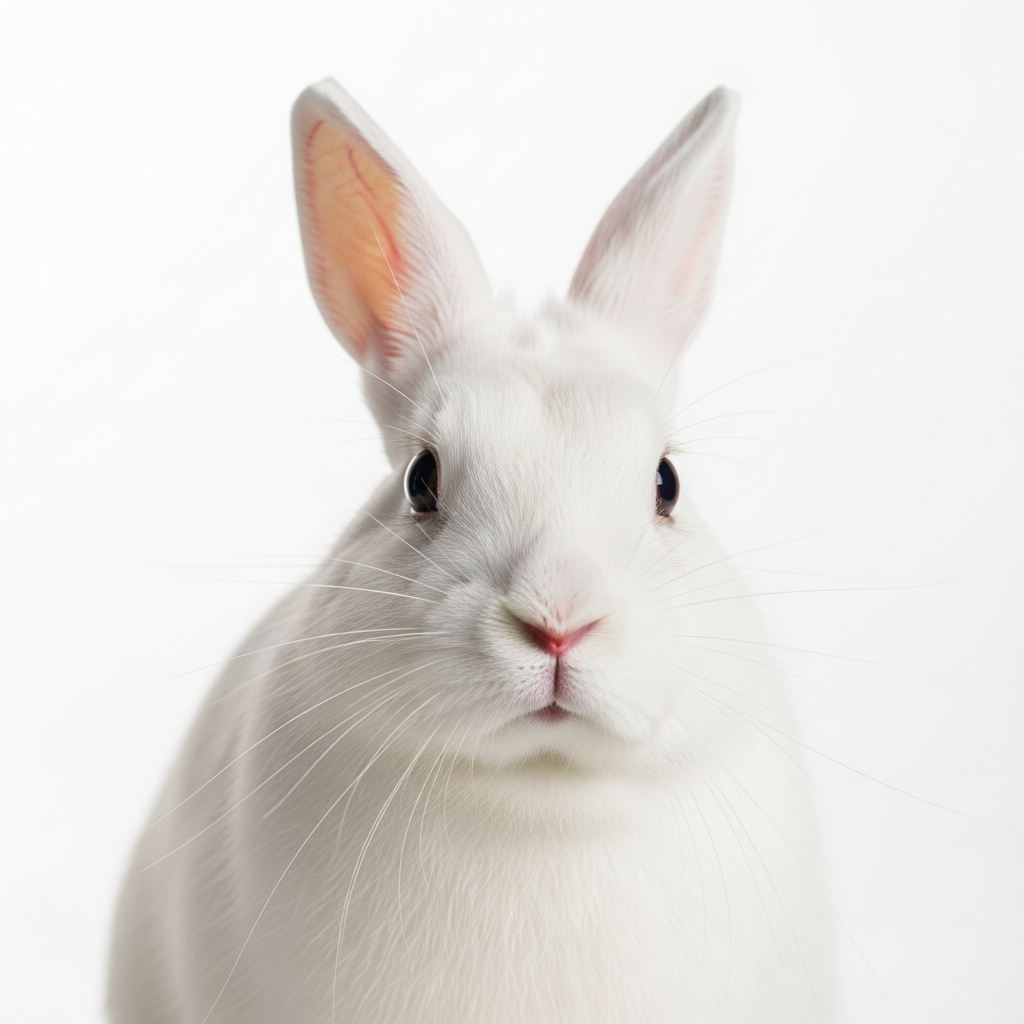
Rabbits

Can Rabbits eat ...?
Food safety index

In-depth toxicity profiles, safe preparation protocols, and nutritional analysis for feeding Rabbits. Continuously reviewed by veterinary toxicologists.

Peer-reviewed Evidence-based Live updates
All
A B C D E F G H I J K L M N O P Q R S T U V W X Y Z
Showing 6 verified entries
Sort:

Almonds

Caution Nuts & Seeds

Almonds are not suitable for rabbits and should be treated with significant caution. Their high fat and protein content is incompatible with the rabbit's herbivorous digestive physiology, and even small quantities can trigger gastrointestinal upset or dangerous GI stasis. While almonds do not contain a single acutely lethal toxin in the way grapes affect dogs, the cumulative metabolic burden they place on a rabbit makes them an inappropriate food entirely.

Clinical note: High-fat nut; GI stasis and hepatic lipidosis risk in rabbits — avoid entirely.
Toxicity index 62/100
Profile

Cherries

Caution Fruits

Fresh cherry flesh is not acutely toxic to rabbits in small amounts, but the pits, stems, and leaves contain cyanogenic glycosides that can cause serious harm. The fruit itself is very high in sugar, which poses a real risk to a rabbit's sensitive digestive and metabolic systems. Cherries should be treated as an occasional, strictly portioned treat — never a dietary staple.

Clinical note: Cyanogenic glycoside risk from pits/stems; high sugar load even from flesh alone
Toxicity index 52/100
Profile
Can Rabbits eat Carrots? — Caution

Carrots

Caution Vegetables

Carrots are not toxic to rabbits, but they are a sugary root vegetable, not a staple. Offer only a small piece occasionally — the cartoon image of rabbits living on carrots is a myth.

Clinical note: High in natural sugars; overfeeding risks GI dysbiosis, soft stool and obesity. Hay must remain the dietary foundation.
Toxicity index 35/100
Profile

Cinnamon

Caution Herbs

Cinnamon is not acutely toxic to rabbits, but it carries real caution flags that make routine feeding unwise. The volatile compounds in cinnamon — particularly cinnamaldehyde and coumarin — can irritate a rabbit's sensitive gastrointestinal tract and mucous membranes, and coumarin carries hepatotoxic potential with repeated exposure. Small, occasional contact is unlikely to cause serious harm, but cinnamon offers no nutritional benefit a rabbit cannot obtain from safer foods, so there is no compelling reason to offer it.

Clinical note: Mucosal irritant; coumarin hepatotoxicity risk with repeated exposure in rabbits
Toxicity index 28/100
Profile

Pears

Caution Fruits

Ripe pear flesh is not toxic to rabbits, but the high sugar content makes it a treat that must be strictly limited. The seeds and core pose a genuine hazard due to trace amygdalin (a cyanogenic glycoside), so those parts should never be offered. When given correctly — small pieces of seedless flesh, infrequently — pears are a safe occasional reward rather than a dietary staple.

Clinical note: High-sugar fruit; seeds contain amygdalin — remove entirely before feeding.
Toxicity index 22/100
Profile

Ginger

Caution Herbs

Fresh or dried ginger is not classically toxic to rabbits, but its potent volatile oils and pungent compounds make it inappropriate as a regular dietary item. Small incidental amounts are unlikely to cause serious harm, yet rabbits' highly sensitive gastrointestinal tracts can react badly to even modest quantities. Owners should treat ginger as an occasional, tiny treat at most — not a staple herb.

Clinical note: GI motility risk; feed only in trace amounts if at all
Toxicity index 22/100
Profile